
Summary
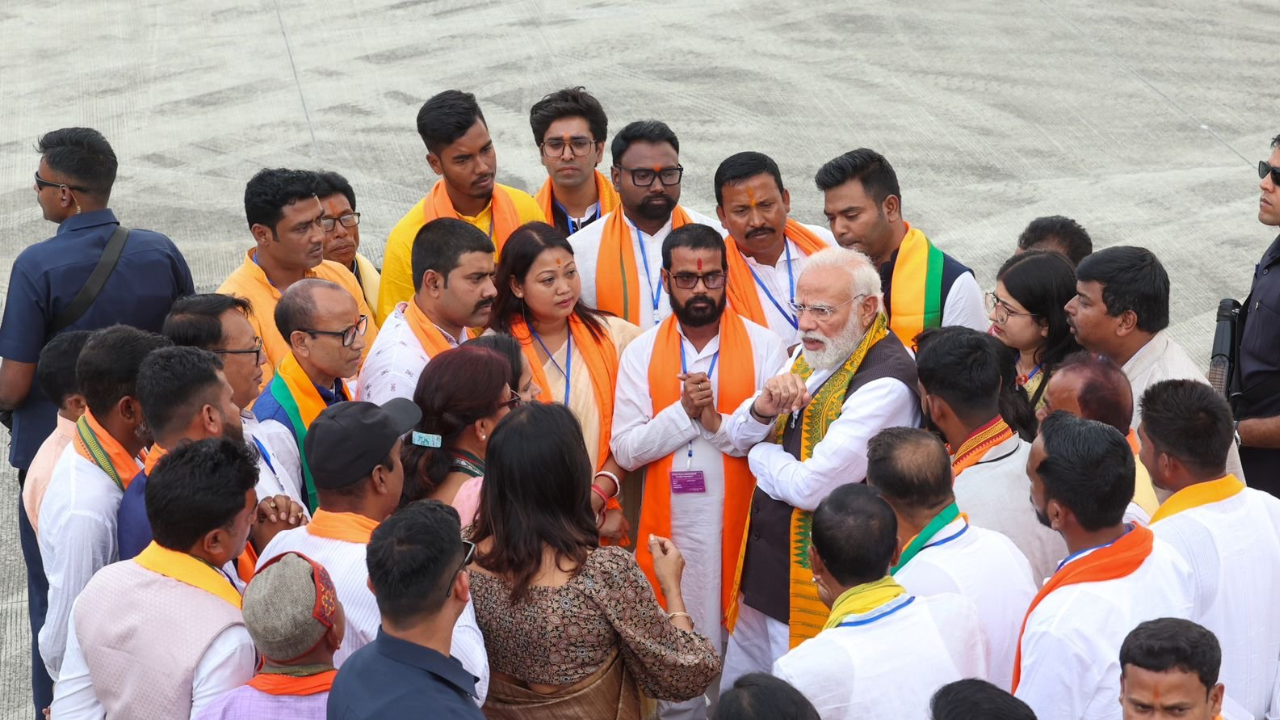
Prime Minister Narendra Modi recently visited West Bengal to meet with members of the Bharatiya Janata Party (BJP). After talking with party workers in Siliguri, he stated that the public mood is clearly shifting in favor of the BJP. The Prime Minister believes that people are tired of the current state government and are looking for a change that focuses on growth and honesty. This visit is part of a larger effort to strengthen the party's presence in the eastern part of India.
Main Impact
The main impact of this visit is the increased political pressure on the ruling Trinamool Congress (TMC) party. By speaking directly to workers at the local level, the Prime Minister is trying to build a stronger connection with voters in North Bengal. If the BJP can convince voters that the current government is failing them, it could lead to a major shift in power during the next elections. This development shows that the political competition in West Bengal is becoming much more intense as both sides fight for the trust of the public.
Key Details
What Happened
During his time in Siliguri, Prime Minister Modi held meetings to hear from those working on the ground. These workers shared stories about how people in their neighborhoods feel about the state of the government. Based on these conversations, the Prime Minister said that the "mood" of the state is changing. He used this opportunity to criticize the TMC, claiming they have moved away from serving the people. He specifically pointed out that the state government has been involved in corruption and has not done enough to help the region grow.
Important Numbers and Facts
The Prime Minister focused his talk on three main issues: corruption, appeasement, and neglect. He argued that the TMC government has ignored the needs of North Bengal for a long time. North Bengal is a vital area for the state because it connects the rest of India to the northeastern states. The Prime Minister also highlighted the BJP's "development agenda," which includes building better infrastructure and making sure government programs reach everyone without any bias. While specific vote numbers were not the focus of this meeting, the goal was to prepare the party for future electoral challenges.
Background and Context
West Bengal has been a very important state in Indian politics for many years. For over a decade, the TMC, led by Chief Minister Mamata Banerjee, has held power. The BJP has been working hard to become the main challenger in the state. In recent years, the two parties have had many disagreements over how the state should be run. The BJP often accuses the TMC of using unfair tactics to stay in power, while the TMC claims the central government does not provide enough financial support to West Bengal. This ongoing rivalry makes every visit by a national leader a major event for the local people.
Public or Industry Reaction
The reaction to the Prime Minister's comments has been split along political lines. BJP supporters and party workers feel encouraged and motivated by his words. They believe that his presence will help them win over more voters who are unhappy with the current situation. On the other hand, leaders from the TMC have dismissed the Prime Minister's claims. They argue that their party has done a lot for the poor and that the BJP is only trying to create divisions among the people. Local residents in North Bengal are watching closely, as they hope for better roads, more jobs, and improved services regardless of which party is in charge.
What This Means Going Forward
Looking ahead, we can expect to see more high-profile visits and rallies in West Bengal. The BJP will likely continue to focus on the issues of corruption and the lack of development in specific areas like North Bengal. This strategy is meant to show that they have a better plan for the state's future. At the same time, the TMC will likely double down on its local welfare programs to keep its support base strong. The political environment will remain very active, and the words spoken by leaders today will set the stage for the debates that will happen during the next election cycle.
Final Take
The political battle in West Bengal is about more than just winning seats; it is about which vision for the future the people believe in. Prime Minister Modi's confidence shows that the BJP sees a real chance to grow its influence in the state. However, the final decision rests with the voters, who will have to weigh the promises of the central government against the track record of the local government. As the rhetoric heats up, the focus must remain on what is best for the citizens of West Bengal and the growth of the region.
Frequently Asked Questions
Why did PM Modi visit Siliguri?
He visited to interact with BJP party workers and get direct feedback about the political situation and public opinion in North Bengal.
What were the main criticisms against the TMC?
The Prime Minister criticized the TMC for corruption, practicing politics of appeasement, and neglecting the development needs of the North Bengal region.
What is the "development agenda" mentioned by the PM?
It refers to the BJP's plan to improve infrastructure, create jobs, and ensure that central government welfare schemes reach all citizens fairly and efficiently.



