
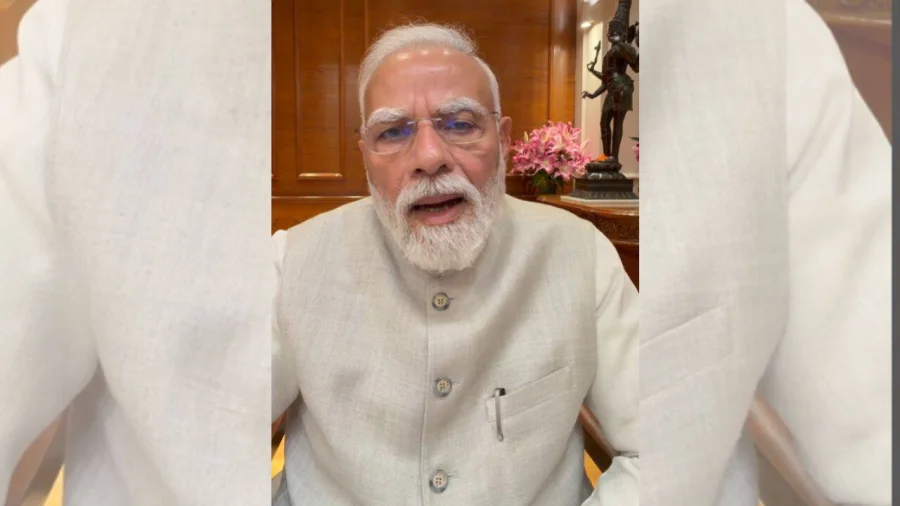
What the late-night video actually says
The confirmed content of the video, based on the headline, is the statement: "Abuses never solve anything." The late-night timing of the post itself drew attention, suggesting the Prime Minister was responding to a situation that had already gained significant traction. No other verified quote from the video is available in the provided material.
The Noida row — what we know and what we don't
According to the headline, the controversy stems from remarks made by a woman from Noida. The exact wording of those remarks, where they were shared, and how the row escalated have not been independently confirmed in the available information.
Readers should be cautious about unverified claims, out-of-context screenshots, or forwarded messages circulating on social media. In a fast-moving row like this, the gap between what is reported and what is true can widen quickly.
Why the PM's intervention changes the story
When the Prime Minister personally weighs in on an online controversy, the scale of the story changes. His choice of words — "abuses never solve anything" — reads as both a warning and an appeal.
It does not take sides on the woman's remarks. Instead, it shifts the focus to how people react. That is a deliberate move: it lets the Prime Minister address the temperature of the discourse without endorsing or condemning the original statement.
Who gets pulled into this controversy
Beyond the woman at the centre of the row, the dispute pulls in online communities who feel drawn into the exchange, and political observers who will read the PM's statement for meaning. For ordinary readers, the video is a reminder of how quickly online anger can move from a single post to a national conversation.
The only confirmed official response so far
As of now, the Prime Minister's video is the only confirmed official response. There is no verified statement from the Noida woman, from police, or from any other government authority in the available material. This article does not attribute any other reaction to any person or institution.
Reading between the lines of 'abuses never solve anything'
The phrase is not a legal directive. It is a moral and rhetorical position — an argument that abusive language does not resolve disputes, and that public disagreements should be conducted differently.
It also fits a broader pattern of leaders urging restraint when online controversies threaten to spiral beyond control. The statement implicitly criticises the use of vicious language, regardless of which side deploys it.
Confirmed facts vs what remains unclear
Confirmed: PM Modi posted a late-night video; he said "abuses never solve anything"; the post came amid a row over a Noida woman's remarks.
Unclear: The woman's identity, the content of her remarks, the platform on which they were made, the response of authorities, and the full timeline of the controversy. None of these details are verified in the source material.
Why unverified rows breed misinformation
Whenever a controversy involves an unidentified person and unconfirmed remarks, the risk of misinformation is high. False claims and exaggerated narratives can spread faster than verified facts.
The safest position, until official confirmation arrives, is to treat unverified details as unverified — and to be especially wary of content that provokes anger without providing sources.
How readers should follow this story
Stick to official channels — the Prime Minister's Office, police statements, or confirmed news reports — rather than social media forwards. If the Noida woman's remarks are formally confirmed by authorities, the story is likely to develop in one of two directions: a legal process, or a political resolution.
Where the controversy could go next
The row could de-escalate if the remarks are clarified or if authorities conclude there is no basis for action. It could intensify if the remarks are confirmed and judged to be offensive under the law.
The Prime Minister's intervention suggests a desire to steer the situation toward calm rather than confrontation. But in such cases, public reaction often determines how far the story travels.



