
Summary
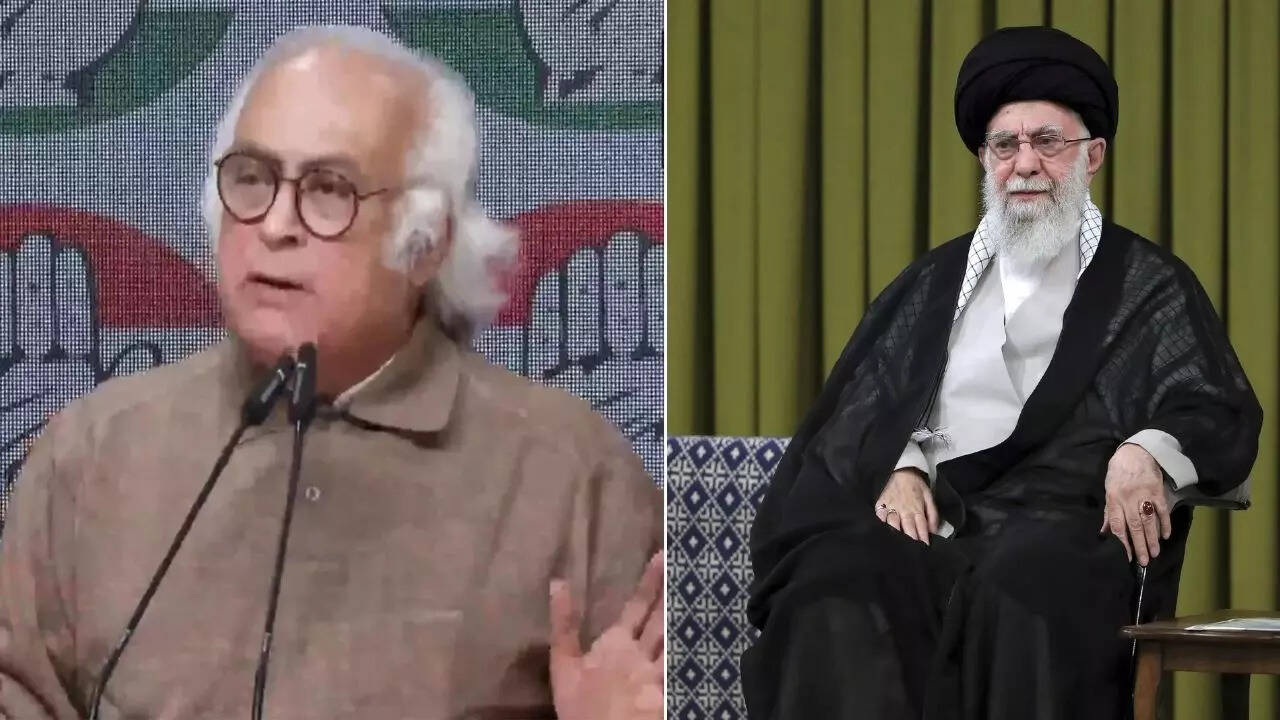
The Congress party has raised serious questions regarding Prime Minister Narendra Modi's silence following reports of the death of Iran’s Supreme Leader, Ayatollah Ali Khamenei. Senior leader Jairam Ramesh accused the Prime Minister of being "compromised" and suggested that the government is afraid of upsetting international allies like the United States and Israel. This criticism comes at a time of high tension in the Middle East, highlighting a potential shift in India's traditional foreign policy approach.
Main Impact
This political move by the Congress party aims to challenge the government's claim of maintaining an independent foreign policy. By calling the Prime Minister "compromised," the opposition is suggesting that India's decisions are now heavily influenced by external pressures from Washington and Tel Aviv. This debate could force the government to clarify its stance on the evolving situation in Iran, which remains a key partner for India in terms of energy and regional connectivity.
Key Details
What Happened
Following news reports concerning the assassination or death of Iran's Supreme Leader, Ayatollah Ali Khamenei, the Indian government did not immediately issue an official statement. Jairam Ramesh, a prominent voice in the Congress party, took to social media to highlight this silence. He pointed out that the government had previously shown great respect to Iranian leaders, but seems to be hesitating now. The opposition believes this hesitation is a sign that the government is prioritizing its relationship with the U.S. and Israel over its long-standing ties with Iran.
Important Numbers and Facts
The Congress party drew a direct comparison to May 2024, when India declared a full day of national mourning following the death of the then-Iranian President, Ebrahim Raisi. During that time, flags were flown at half-mast across the country. Critics argue that the current silence is a sharp departure from that protocol. Furthermore, India has recently condemned certain military actions by Iran while remaining silent on alleged strikes carried out by Israel or the United States, leading to claims of a "double standard" in diplomatic communications.
Background and Context
India and Iran have shared a complex but important relationship for decades. Iran is a major source of oil and a key partner in the development of the Chabahar Port, which gives India access to Central Asia. However, in recent years, India has also built a very strong strategic and defense partnership with Israel and the United States. Balancing these two sides has always been difficult. When a major leader in the Middle East dies under controversial circumstances, India usually waits for official confirmation before speaking. However, the Congress party argues that the current delay is longer than usual and suggests a fear of political consequences on the global stage.
Public or Industry Reaction
Political analysts are divided on the issue. Some believe the government is being cautious to avoid getting dragged into a larger conflict between Iran and its enemies. They argue that official silence is a tool of diplomacy used when a situation is still unclear. On the other hand, opposition supporters and some foreign policy experts believe that India is losing its "strategic autonomy." They feel that by not speaking up, India looks like it is taking sides in a way that could hurt its long-term interests in the Middle East and its reputation among developing nations.
What This Means Going Forward
If the reports regarding the Supreme Leader are confirmed, the Indian government will eventually have to make a formal statement. How they word that statement will be watched closely by both domestic critics and international partners. A very warm message might upset the U.S., while a cold or late message could damage ties with the next Iranian leadership. This situation puts the Prime Minister's office in a tough spot. Moving forward, we can expect more heated debates in Parliament about how India chooses its friends and how much influence foreign powers have over Indian decision-making.
Final Take
The clash between the Congress party and the government shows that foreign policy is no longer just about international relations; it is a major part of domestic politics. While the government likely views its silence as a calculated move to protect national interests, the opposition sees it as a sign of weakness. As the situation in the Middle East continues to change, India will find it increasingly hard to stay neutral without facing criticism from both inside and outside the country.
Frequently Asked Questions
Why is the Congress party criticizing PM Modi?
The Congress party is criticizing the Prime Minister for not speaking about the reported death of Iran's Supreme Leader. They claim his silence shows he is afraid of upsetting the United States and Israel.
How did India react to Iranian leaders in the past?
In the past, India has shown significant respect to Iranian leaders. For example, when President Ebrahim Raisi died in 2024, India declared a national day of mourning and flew flags at half-mast.
Why is the relationship between India and Iran important?
Iran is important to India because of energy resources and the Chabahar Port project. This port is a vital trade route that helps India reach markets in Central Asia and Russia without going through Pakistan.



