
Summary
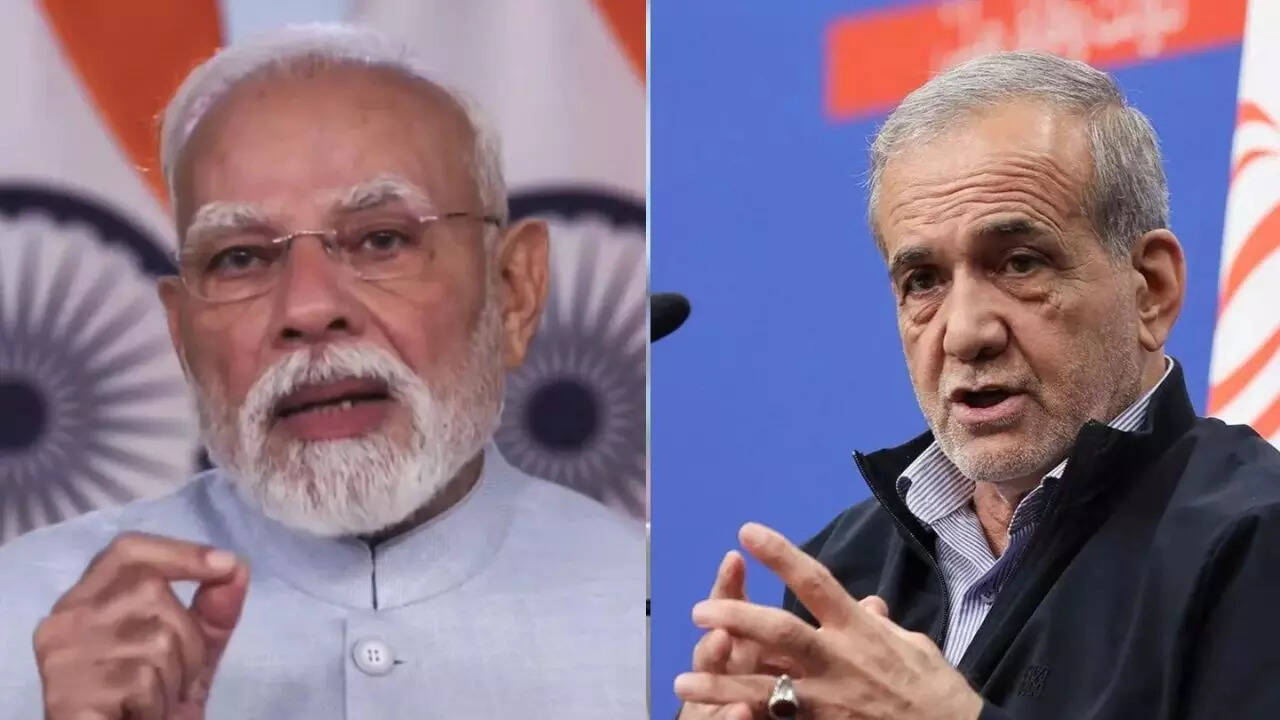
Prime Minister Narendra Modi recently held a high-level phone conversation with the President of Iran to discuss growing concerns over maritime security. During the call, the Prime Minister strongly spoke against attacks on critical infrastructure and emphasized the need to keep international shipping lanes open and safe. This discussion comes at a time when global trade routes face increasing threats, making cooperation between the two nations vital for regional stability and economic health.
Main Impact
The primary impact of this diplomatic exchange is the focus on global trade security. When shipping lanes are threatened, the cost of moving goods rises, which eventually leads to higher prices for everyday items like fuel and food. By taking a firm stand against attacks on infrastructure, India is signaling its role as a major player in maintaining peace in the Indian Ocean and surrounding waters. This move helps reassure businesses and shipping companies that world leaders are working to protect the paths used by cargo ships.
Key Details
What Happened
Prime Minister Modi reached out to the Iranian leadership to address the safety of the seas. The two leaders talked about the recent rise in tensions that have put commercial ships at risk. Modi made it clear that any attack on essential infrastructure—such as ports, power plants, or communication hubs—is unacceptable. He stressed that the free flow of trade is a shared interest for all countries and should not be disrupted by conflict.
Important Numbers and Facts
A large portion of the world’s oil and gas passes through the waters near Iran, specifically the Strait of Hormuz. India relies on these routes for over 80% of its energy needs. During the talk, both sides also touched upon the progress of the Chabahar Port. This port is a major project where India is helping Iran build a gateway for trade into Central Asia. Keeping this port and the surrounding waters safe is a multi-billion dollar priority for the Indian government.
Background and Context
To understand why this matters, we have to look at how the world trades. Most of the things we buy are moved across the ocean in giant containers. In recent months, there have been several reports of ships being targeted by drones or missiles in the Red Sea and the Gulf region. These areas are like narrow "choke points" where many ships must pass through. If these paths are blocked or become too dangerous, ships have to take much longer routes around Africa. This adds weeks to travel time and millions of dollars in extra fuel costs.
India and Iran have a long history of working together, even when global politics get complicated. India sees Iran as a key partner for reaching countries like Afghanistan and Russia without having to go through land borders that might be closed. Therefore, any instability in Iran or its nearby waters directly affects India’s plans for growth and trade.
Public or Industry Reaction
The shipping industry has welcomed the Prime Minister's comments. Many maritime experts believe that strong words from a major economy like India can help pressure groups to stop attacking commercial vessels. Oil companies are also watching these developments closely. They worry that if the situation gets worse, the price of petrol and diesel could jump suddenly. On the political side, other world leaders see this as a sign that India is willing to use its influence to keep the peace in a very sensitive part of the world.
What This Means Going Forward
Looking ahead, we can expect more security patrols in the ocean. India has already sent naval ships to help protect merchant vessels, and this talk with Iran suggests that diplomatic efforts will continue alongside military ones. The next steps will likely involve more meetings between officials to finalize safety rules for the shipping lanes. If these efforts work, trade will remain steady. However, if the attacks continue, we might see insurance companies charge even more to cover ships, which will keep prices high for consumers everywhere.
Final Take
Safe seas are the backbone of the modern world. Prime Minister Modi’s call to protect shipping lanes shows that India is not just watching from the sidelines but is actively trying to prevent a global trade crisis. By focusing on critical infrastructure and open waters, the government is working to ensure that the global economy stays on track despite regional tensions.
Frequently Asked Questions
Why are shipping lanes so important?
Shipping lanes are like highways on the ocean. Most of the world's goods, including food, clothes, and electronics, travel along these specific routes. If they are blocked, it causes delays and makes everything more expensive.
What is considered "critical infrastructure"?
Critical infrastructure refers to the basic facilities and systems that a country needs to function. This includes things like ports, bridges, power grids, and underwater internet cables that keep the world connected.
How does this affect the average person?
When shipping is disrupted, the cost of transporting goods goes up. This usually leads to "inflation," which means you might pay more for gas at the pump or for groceries at the store.



