
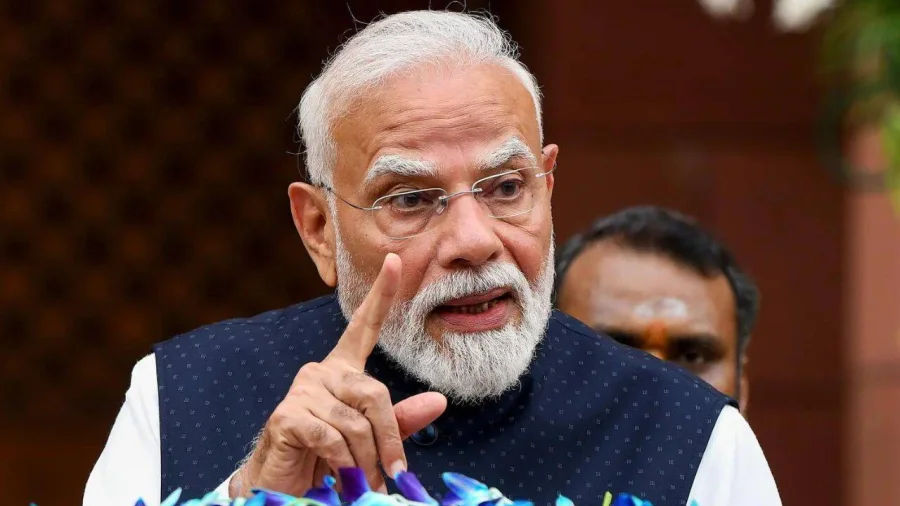
The announcement came like a thunderbolt in the middle of a heated political season. Prime Minister Narendra Modi, addressing a public gathering, declared that the government would set up fast-track courts to handle the rising number of exam paper leak cases. The promise was clear: swift justice for those who cheat the system and rob millions of students of a fair chance. But within hours, the political battlefield erupted. Rahul Gandhi and the Common Justice Platform (CJP) hit back, calling the move a "smokescreen" and a "half-measure." Here are the 10 key developments that define this unfolding story.
What PM Modi Announced: Fast-Track Courts for Paper Leaks
PM Modi said the fast-track courts would prioritize cases related to exam paper leaks, which have plagued recruitment exams for government jobs, medical admissions, and engineering seats. He emphasized that the courts would ensure speedy trials and convictions, sending a strong deterrent message. "Those who play with the future of our youth will not be spared," he said.
Why This Matters: The Crisis of Exam Integrity in India
Paper leaks have become a recurring national shame. In 2024 alone, major leaks hit the NEET-UG medical entrance exam, the UGC-NET, and several state-level recruitment tests. Thousands of students were left in limbo, with exams cancelled or results withheld. The emotional toll is immense: families invest years of savings and hope, only to see their dreams shattered by organized cheating rings.
Timeline: How the Paper Leak Crisis Escalated
The crisis began escalating in early 2024, when the NEET-UG paper leak forced the cancellation of results in several states. By mid-year, the UGC-NET was also compromised, leading to its abrupt cancellation. State exams in Rajasthan, Gujarat, and Bihar followed suit. The government faced mounting pressure from student protests and opposition demands for action.
Human Impact: Who Is Affected by Paper Leaks
Millions of students are directly affected. For many, these exams are the only pathway to a stable government job or a medical seat. The leaks create a two-tier system: those who can pay for leaked papers get an unfair advantage, while honest students are left behind. The psychological impact is severe, with reports of depression and even suicides among affected candidates.
Rahul Gandhi’s Counterattack: A Diversionary Tactic
Rahul Gandhi, the Leader of the Opposition in the Lok Sabha, was quick to respond. In a series of posts on social media, he accused PM Modi of using the fast-track court announcement to divert attention from the government's failure to prevent the leaks in the first place. "Why didn't you act earlier? This is not justice, it's a PR stunt," he wrote.
CJP’s Response: A Half-Measure That Misses the Root Cause
The Common Justice Platform (CJP), a coalition of legal activists and student groups, also hit back. They argued that fast-track courts alone cannot solve the problem. "The real issue is the lack of a robust anti-cheating law, weak enforcement, and corruption in exam bodies. Fast-track courts are just a band-aid on a deep wound," a CJP spokesperson said.
Analysis: What Fast-Track Courts Can and Cannot Do
Fast-track courts have been used in India for cases like rape and corruption, with mixed results. They can speed up trials, but they require adequate judges, infrastructure, and case management. Without these, they risk becoming backlogged themselves. Moreover, paper leak cases often involve complex networks of middlemen, officials, and politicians, making investigation and prosecution challenging.
Confirmed Facts vs What Remains Unclear
Confirmed: PM Modi announced fast-track courts for paper leak cases. Rahul Gandhi and CJP have publicly criticized the move. Unclear: The exact number of courts, their jurisdiction, budget allocation, and timeline for establishment. Also unclear: Whether the courts will handle only central exams or state-level ones as well.
Risks and Balanced View: Critics vs Supporters
Supporters argue that fast-track courts are a necessary step to restore faith in the exam system. Critics, however, warn that without addressing the root causes—such as corruption in exam bodies and weak data security—the courts will only treat symptoms. Some legal experts also caution that fast-track courts can compromise due process if not properly managed.
Wider Trend: The Politics of Exam Reforms in India
The paper leak crisis has become a major political flashpoint. Opposition parties have used it to attack the Modi government's record on governance and youth welfare. The government, in turn, has blamed state governments and "anti-national elements" for the leaks. The fast-track court announcement is the latest move in this ongoing political chess game.
Practical Guidance: What Students and Parents Should Do Now
Students affected by paper leaks should document their case, including exam dates, cancellation notices, and any communication from exam bodies. They can file complaints with the local police or the cybercrime cell. Parents should stay informed about court developments and join student advocacy groups like the CJP for collective action.
Future Outlook: What Could Happen Next
The government is expected to release a detailed plan for the fast-track courts in the coming weeks. The opposition is likely to keep up the pressure, demanding a parliamentary debate and a comprehensive anti-cheating law. Meanwhile, the CJP has announced plans for nationwide protests. The coming months will determine whether this move becomes a genuine reform or just another political headline.
Our Take
The fast-track court announcement is a welcome step, but it cannot be a substitute for systemic reform. India needs a multi-pronged approach: stronger data security for exam papers, a dedicated anti-cheating law, independent oversight of exam bodies, and swift punishment for offenders. Without these, fast-track courts risk becoming just another promise in a long list of unfulfilled reforms. The real test will be in the implementation.
Frequently Asked Questions
What are fast-track courts for paper leak cases?
Fast-track courts are special courts that prioritize cases related to exam paper leaks, aiming to complete trials within a shorter timeframe, typically 6-12 months, instead of years.
Why did Rahul Gandhi and CJP criticize the announcement?
Rahul Gandhi called it a diversionary tactic, arguing the government should have prevented the leaks in the first place. The CJP said fast-track courts alone are insufficient without a strong anti-cheating law and systemic reforms.
How will fast-track courts affect students affected by paper leaks?
If implemented effectively, they could lead to faster convictions of those responsible, potentially deterring future leaks. However, they do not directly address the immediate needs of students whose exams were cancelled or results withheld.
What is the Common Justice Platform (CJP)?
The CJP is a coalition of legal activists, student groups, and civil society organizations that advocates for justice in exam-related fraud cases. They have been vocal in demanding systemic reforms beyond fast-track courts.



