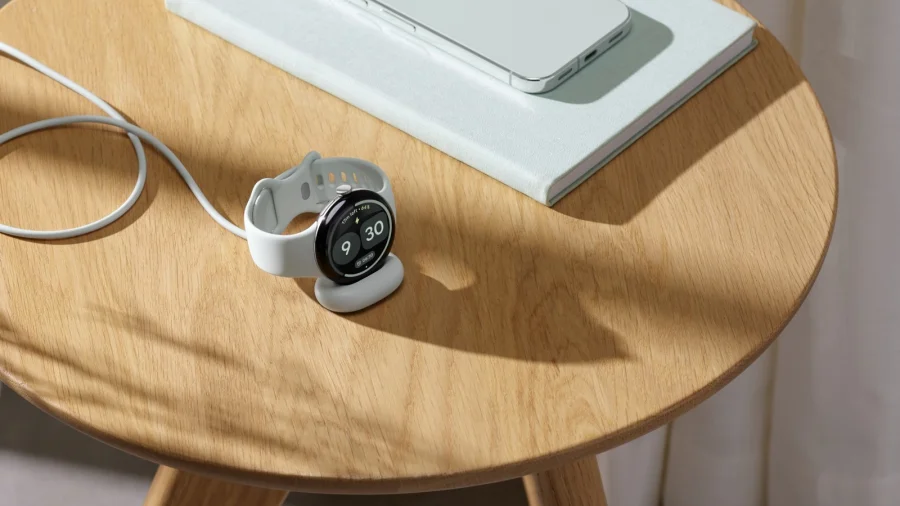
A small screen on your wrist may soon become a more serious health guard. Google has announced that its newest Pixel Watch tools can monitor blood pressure and insulin resistance — and the company says the feature could work as an early warning system for diabetes, a disease that often develops silently over years.
By Digital Health Desk | Health & TechnologyWhat the new Pixel Watch health monitoring actually does
According to the announcement, the new Pixel Watch tools track two key health signals: blood pressure and insulin resistance. Insulin resistance is the condition in which the body's cells respond poorly to insulin, a precursor commonly linked to type 2 diabetes.
Google's stated positioning is that these tools function as an early warning system for diabetes — flagging trends that might otherwise go unnoticed until a formal diagnosis. The company has not yet explained the specific sensor technology behind the feature.
Why insulin resistance tracking could matter for diabetes prevention
Insulin resistance and high blood pressure are two of the most common early markers associated with type 2 diabetes and cardiovascular disease. Most people discover these problems only during routine checkups, often after the condition has progressed.
A wearable that monitors these indicators continuously could in theory alert users to changes worth discussing with a doctor. That is the core promise of what Google is announcing — not instant diagnosis, but earlier awareness.
How the Pixel Watch health feature developed
The announcement extends the Pixel Watch's expanding health toolkit, which has become central to Google's wearable strategy. The company has been steadily deepening its health-tracking capabilities, and this move signals a shift toward metabolic and cardiovascular screening.
Google has not specified when the feature will reach users or in which markets. The lack of confirmed rollout details suggests the announcement may be ahead of a formal product release.
Who could benefit most from early warning health signals
The people most affected are those with a family history of diabetes, individuals with prediabetes, and anyone managing high blood pressure. For them, continuous tracking could turn a passive device into a daily health checkpoint.
Yet the intended role of the feature appears to be supportive, not diagnostic. Wearable readings of this kind are generally treated as screening signals that warrant professional follow-up, not as clinical measurements.
What Google is claiming about the new tools
Google's core claim, as stated in the original announcement, is that the new tools can act as an early warning system for diabetes. The company frames the feature as a way to catch health risks earlier, rather than a replacement for medical testing.
Beyond that framing, Google has not publicly detailed the accuracy targets, validation methodology, or whether the feature has been reviewed by health regulators. Independent verification is therefore not yet possible.
What the blood pressure and insulin resistance announcement really means
The significance extends beyond convenience. Insulin resistance develops gradually and is frequently undetected until blood sugar levels cross into diabetes territory. If a wrist-worn device can surface that trend earlier, it could change how millions approach prevention.
It also sharpens competition in the health-wearable market, where a device's value increasingly depends on the medical insight it offers, not just step counts. Google is betting that meaningful screening tools will set the Pixel Watch apart.
Confirmed facts vs what remains unclear
Confirmed: Google has announced Pixel Watch monitoring for blood pressure and insulin resistance, and describes it as an early warning system for diabetes.
Unclear: How the measurement works, which countries will receive the feature, when it rolls out, whether it has obtained any regulatory clearance, and how accurate it is in real-world use. All of these details remain undisclosed, so the practical capability of the tool cannot yet be assessed.
Why Google's wearable health moat is deepening
The Pixel Watch matters in this space because Google combines its own hardware design with Fitbit's health-tracking heritage and the company's AI research strength. That combination gives it the sensor ecosystem, software capability, and data infrastructure needed to build advanced health features.
The deeper these tools go, the more reason users have to stay inside Google's ecosystem. For a company competing in a crowded smartwatch market, exclusive, meaningful health features are a significant pull factor.
The limitations and concerns around wearable health readings
Wearable health monitoring has real constraints. Blood pressure and insulin resistance readings from a wrist device are not identical to clinical measurements, and there is a risk that users over-trust the data or skip formal medical tests.
Privacy is another concern, since continuous metabolic and cardiovascular data is among the most sensitive personal information a company can hold. Supporters argue that the convenience and early detection potential justify the trade-off; critics say independent validation and transparent data protections are essential before the feature earns trust.
Where smartwatch health tracking is headed
This announcement is part of a broader shift in consumer technology. Smartwatches have evolved from step counters to heart-rate and oxygen monitors, and are now moving toward metabolic and cardiovascular screening.
Google's move pushes that trend further. If health features like this become the industry standard, future wearables could be judged less by design and more by what they can detect before symptoms appear.
What Pixel Watch users should do now
Users considering these tools should treat wearable readings as screening signals, not medical diagnoses. Anyone with a family history of diabetes, high blood pressure, or prediabetes should continue routine checkups and follow up unusual readings with a doctor.
Before relying on the feature, it is worth waiting for clear details on how it works, whether regulators have reviewed it, and what accuracy data Google publishes. Those details will determine whether this is a genuinely useful health tool or a well-marketed novelty.
What happens next for the feature
Google is expected to share more details on how the monitoring works and when it becomes available. If the feature performs as described, rival smartwatch makers may accelerate their own metabolic health tools in response.
The response from regulators and the medical community will ultimately decide whether this becomes a meaningful public health feature. Until those questions are answered, the announcement is best read as an indicator of direction rather than a finished product.
Our Take
At its core, this announcement is about watching health trends, not making instant diagnoses. The most valuable part of any early warning system is the word "early" — catching insulin resistance or rising blood pressure before they become larger problems.
But that value rests entirely on accuracy, validation, and how responsibly Google handles the sensitive health data involved. If those conditions are met, the Pixel Watch could genuinely help people act sooner. If not, the feature risks being a headline with limited practical value. Until the technical details are public, measured optimism is the right position.
Frequently Asked Questions
Can the Pixel Watch detect diabetes?
Not directly. Google says its newest Pixel Watch tools can monitor blood pressure and insulin resistance, which the company describes as an early warning system for diabetes. The feature is positioned as a screening aid, not a diagnostic tool.
How does the Pixel Watch measure insulin resistance?
Google has not disclosed the exact mechanism yet. The company has announced the capability and stated that it can act as an early warning system for diabetes, but sensor details and accuracy data have not been published.
Is the Pixel Watch blood pressure feature approved as a medical device?
That status has not been clarified in the announcement. Until Google confirms any regulatory clearance, the feature should be treated as a consumer health-monitoring tool rather than a certified medical device.
Who should use the Pixel Watch insulin resistance feature?
People with diabetes risk factors — such as family history, prediabetes, or high blood pressure — may find it useful for spotting trends. However, anyone concerned about diabetes should rely on professional medical screening and consult a doctor about unusual wearable readings.
[NEWS_SCHEMA] {"@context":"https://schema.org","@type":"NewsArticle","headline":"Google's Pixel Watch can now monitor blood pressure and insulin resistance — a potential early warning for diabetes","description":"Google says new Pixel Watch tools can monitor blood pressure and insulin resistance as an early warning system for diabetes. Here's what it means.","image":"","datePublished":"2025-06-10T09:00:00+05:30","dateModified":"2025-06-10T09:00:00+05:30","author":{"@type":"Person","name":"Digital Health Desk","url":"","sameAs":[]},"publisher":{"@type":"Organization","name":"Digital Health Desk","logo":{"@type":"ImageObject","url":""}},"mainEntityOfPage":{"@type":"WebPage","@id":""},"articleSection":"Health Technology","keywords":"Pixel Watch blood pressure insulin resistance monitoring, Google Pixel Watch health features, diabetes early warning system"} [SOURCES] Google — Official Announcement (link to be confirmed) — Company Statement Original Story: Google says new tools can act as an early warning system for diabetes — Source Report