
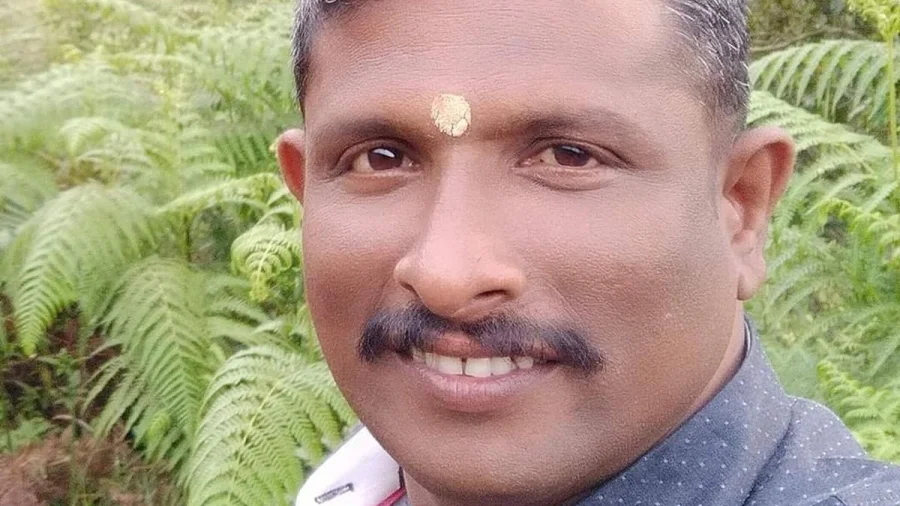
The arrest and remand of Muhammadali K.P., the Palakkad district president of the Popular Front of India (PFI), in connection with the murder of RSS activist Sreenivasan has sent ripples through Kerala's political landscape. The development, which unfolded at the residence of Special Judge P.K. Mohandas in Kochi, marks a critical juncture in a case that has deepened communal tensions in the state.
How the Remand Unfolded in Kochi
Muhammadali K.P. was produced before Special Judge P.K. Mohandas, who presides over cases booked by the National Investigation Agency (NIA) in Kochi. The proceeding took place at the judge's residence, a move that sources suggest was due to security concerns or logistical arrangements. The court ordered the PFI leader's remand, placing him in judicial custody as the NIA continues its probe.
Why This Case Matters for Kerala's Political Climate
The murder of RSS activist Sreenivasan has been a flashpoint in Kerala, where political violence between rival groups has occasionally erupted. The involvement of a senior PFI figure like Muhammadali K.P. underscores the gravity of the case. For many residents, this arrest is a reminder of the fragile communal harmony in the state, where ideological clashes can escalate into fatal violence.
Timeline of the Sreenivasan Murder Case
The RSS activist was killed in an attack that authorities believe was premeditated. The NIA took over the investigation, citing the case's national security implications. Muhammadali K.P.'s arrest follows months of investigation, with the agency piecing together evidence linking the PFI leader to the conspiracy. The remand order is the latest chapter in a probe that has seen multiple arrests.
Who Is Affected by This Development
For the family of Sreenivasan, the remand offers a measure of justice but does little to ease their grief. For PFI supporters, the arrest is seen as a crackdown on their organization. For the broader public in Kerala, the case raises questions about the effectiveness of law enforcement in curbing political violence and the role of organizations like the PFI in the state's social fabric.
NIA's Role and the Special Court's Proceedings
The NIA, which handles cases with cross-border or national security dimensions, has been at the forefront of the investigation. The special court in Kochi, designated for NIA cases, has handled several high-profile matters. The decision to hold the proceeding at the judge's residence, while unusual, is not unprecedented in sensitive cases where security is a concern.
What This Arrest Means for the Investigation
Muhammadali K.P.'s remand is likely to accelerate the NIA's efforts to build a watertight case. Investigators may now focus on gathering forensic evidence, witness testimonies, and digital trails that could implicate other individuals. The PFI leader's position within the organization suggests he may have had a coordinating role, making his interrogation crucial.
Confirmed Facts vs What Remains Unclear
What is confirmed: Muhammadali K.P. was remanded by Special Judge P.K. Mohandas in Kochi. The case involves the murder of RSS activist Sreenivasan and is being investigated by the NIA. What remains unclear: The specific evidence linking Muhammadali to the murder, the exact timeline of his alleged involvement, and whether other PFI leaders are under scrutiny. All claims about the conspiracy are based on ongoing investigation and not yet proven in court.
Risks and Balanced View
While the arrest is a significant step, critics warn against prejudging the case. The PFI has denied any involvement in the murder, and Muhammadali K.P. is presumed innocent until proven guilty. There are concerns that the case could be used to target the organization politically, rather than focus on individual culpability. A balanced view requires acknowledging both the need for justice and the importance of due process.
Wider Pattern of Political Violence in Kerala
Kerala has a history of political violence, often involving clashes between RSS and PFI workers. The Sreenivasan murder is part of a broader pattern of tit-for-tat attacks that have claimed lives over the years. This case highlights the challenges of maintaining peace in a state where political ideologies are deeply entrenched and sometimes violently expressed.
What Readers Should Know
For those following the case, it is important to rely on verified information from official sources like the NIA and court orders. Avoid sharing unverified claims on social media that could inflame tensions. If you are in areas affected by the case, stay informed through credible news outlets and report any suspicious activity to authorities.
Future Outlook
The NIA is expected to file a chargesheet in the coming months, which will detail the evidence against Muhammadali K.P. and any co-accused. The case may also lead to further arrests as the investigation widens. The trial, if it proceeds, will be closely watched as a test of the judicial system's ability to handle politically sensitive cases.
Our Take
The remand of Muhammadali K.P. is a necessary step in the pursuit of justice for Sreenivasan's family. However, it also underscores the deep divisions in Kerala's political landscape. The case should be handled with transparency and fairness to avoid further polarization. Ultimately, the rule of law must prevail, but so must efforts to address the root causes of political violence in the state.
Frequently Asked Questions
Who is Muhammadali K.P.?
Muhammadali K.P. is the Palakkad district president of the Popular Front of India (PFI), an organization that has faced scrutiny for its alleged involvement in radical activities. He was arrested in connection with the murder of RSS activist Sreenivasan.
What is the Sreenivasan murder case?
The case involves the killing of an RSS activist named Sreenivasan in Kerala. The National Investigation Agency (NIA) is investigating the murder, which is believed to have political and communal undertones.
Why was the court proceeding held at the judge's residence?
The proceeding was held at the residence of Special Judge P.K. Mohandas, likely due to security concerns or logistical reasons. Such arrangements are not uncommon in sensitive cases.
What happens next in the case?
The NIA will continue its investigation, potentially leading to a chargesheet and trial. Muhammadali K.P. remains in judicial custody pending further proceedings.



