
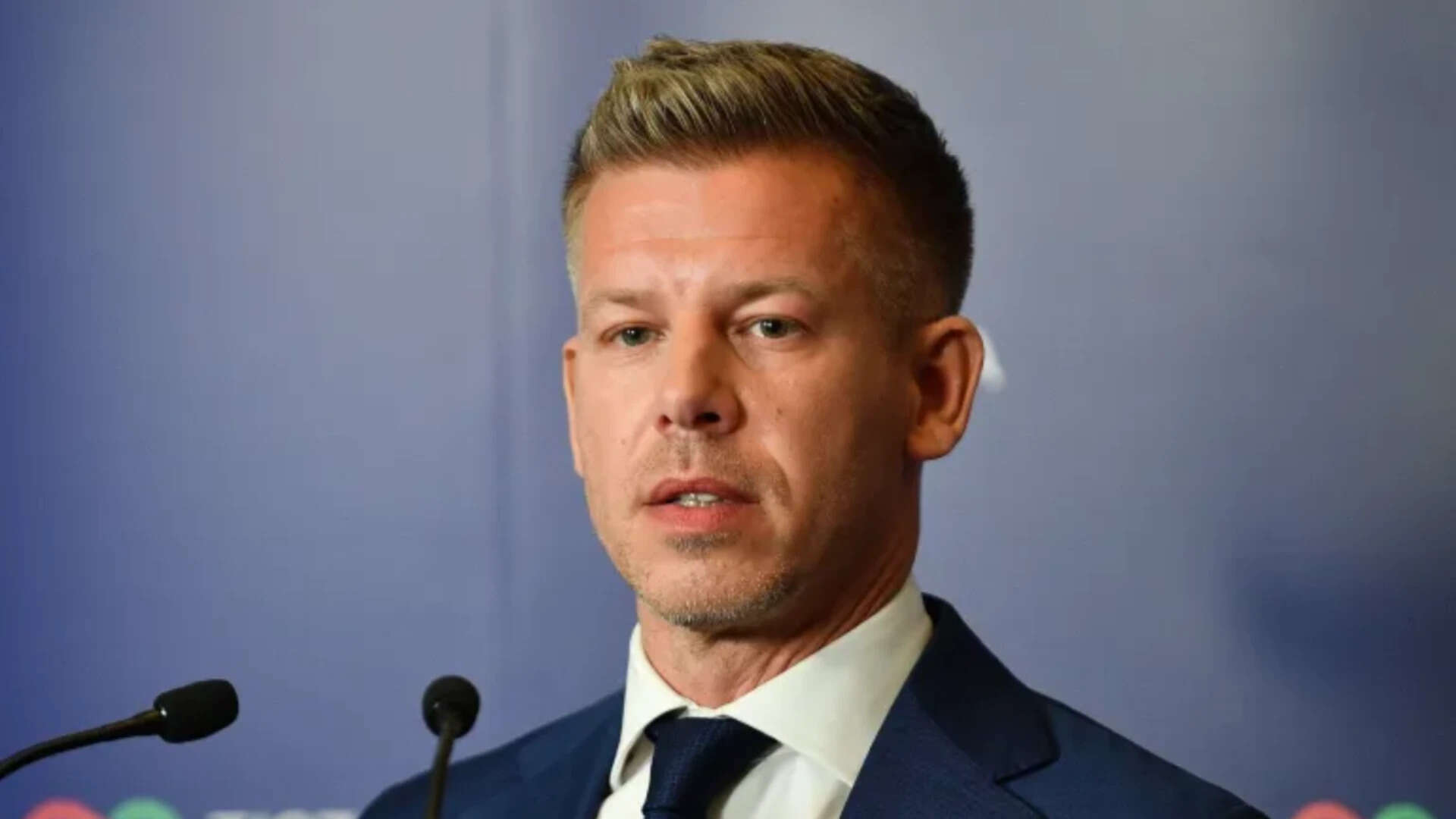
Summary
Péter Magyar is a Hungarian lawyer and former government insider who has quickly become the most serious challenger to Prime Minister Viktor Orbán. After years of working within the ruling party's circle, he turned against the government following a major national scandal involving a presidential pardon. His rise has changed the political scene in Hungary, bringing thousands of people into the streets to demand change and an end to corruption.
Main Impact
The emergence of Péter Magyar has broken the long-standing political calm in Hungary. For over a decade, Viktor Orbán’s party, Fidesz, faced little real competition. Magyar has changed this by using his knowledge of the government’s inner workings to expose how power is used in the country. He has successfully brought together people from different political backgrounds, creating a movement that feels fresh and powerful to many citizens who had lost hope in the traditional opposition.
Key Details
What Happened
The turning point for Péter Magyar came in early 2024. At the time, he was known mostly as the husband of Judit Varga, who was the country’s Justice Minister. A scandal broke out when it was revealed that the President of Hungary had pardoned a man who helped cover up child abuse in a state-run home. This news caused a massive public outcry. Both the President and Judit Varga were forced to resign from their positions.
Shortly after his ex-wife resigned, Magyar began posting on social media about the corruption he saw while working in government-linked roles. He eventually released a secret audio recording of a conversation with Varga. In the recording, she appeared to describe how government officials tried to remove or change evidence in a high-level corruption case. This recording acted as a spark, leading to massive protests across the capital city of Budapest.
Important Numbers and Facts
Magyar’s political growth has been incredibly fast. In April 2024, he organized a protest that drew an estimated 100,000 people, making it one of the largest political gatherings in Hungary in recent history. His political party, called the Tisza Party (which stands for Respect and Freedom), went from having zero support to polling at over 25% within just a few months. He has spent a significant amount of time traveling to small towns and villages, areas where the ruling party usually has the most support, to talk directly to voters.
Background and Context
To understand why Péter Magyar is important, it is necessary to look at Hungary’s recent history. Viktor Orbán has been in power since 2010. During this time, his government has gained significant control over the country’s media, courts, and economy. Many international groups have criticized Hungary for moving away from democratic standards. Because the government controls so much of the news, it has been very difficult for any opposition leader to reach the public.
Magyar is a unique figure because he was part of the system he is now trying to change. He held various well-paying jobs in state companies and moved in the same social circles as the country’s most powerful leaders. This background gives him a level of trust with voters who might not like the old opposition parties but are also unhappy with how the current government operates. He speaks the language of the ruling party but uses it to call for transparency and a return to European values.
Public or Industry Reaction
The reaction from the Hungarian government has been swift and harsh. State-controlled media outlets have spent a lot of time attacking Magyar’s personal life and his motives. They often portray him as a person seeking revenge for his ex-wife’s resignation or as someone working for foreign powers to destabilize the country. These attacks are a common tactic used against anyone who poses a threat to the ruling party.
Despite these attacks, the public reaction has remained strong. Many people see him as a brave whistleblower who is risking his safety and career to tell the truth. Supporters often wear the national colors of Hungary at his rallies to show that they are patriots who want a better future for their country. Even some people who previously voted for Orbán have shown interest in Magyar’s message of cleaning up the political system.
What This Means Going Forward
The next few years will be a major test for Péter Magyar and his Tisza Party. The biggest challenge will be turning the energy from street protests into a professional political organization that can win elections. He must prove that he has a clear plan for the economy, healthcare, and education, rather than just being an "anti-Orbán" candidate. The government is likely to pass new laws or use its influence to make it harder for him to campaign.
If Magyar continues to gain support, it could change Hungary’s relationship with the rest of Europe. Currently, Hungary is often in conflict with the European Union over issues like the rule of law and corruption. A change in leadership could lead to more cooperation and a shift in how the country is viewed on the global stage. However, the path to the Prime Minister’s office is long and filled with obstacles.
Final Take
Péter Magyar has managed to do what many thought was impossible: he has shaken the foundations of Viktor Orbán’s power. By speaking out from the inside, he has given a voice to millions of Hungarians who want a different kind of leadership. Whether he becomes the next Prime Minister or not, he has already changed the country’s political future by showing that the status quo can be challenged.
Frequently Asked Questions
Who is Péter Magyar?
He is a Hungarian lawyer and former government official who rose to fame by exposing corruption within the ruling party and leading large protests against the government.
What is the Tisza Party?
The Tisza Party is the political organization led by Péter Magyar. The name stands for "Respect and Freedom," and it aims to provide a new choice for voters who are unhappy with both the government and the old opposition.
Why did he turn against the government?
He decided to speak out after a scandal involving a presidential pardon for a man linked to a child abuse cover-up. He felt the government was no longer acting in the best interests of the people and was focused on protecting its own power.

