
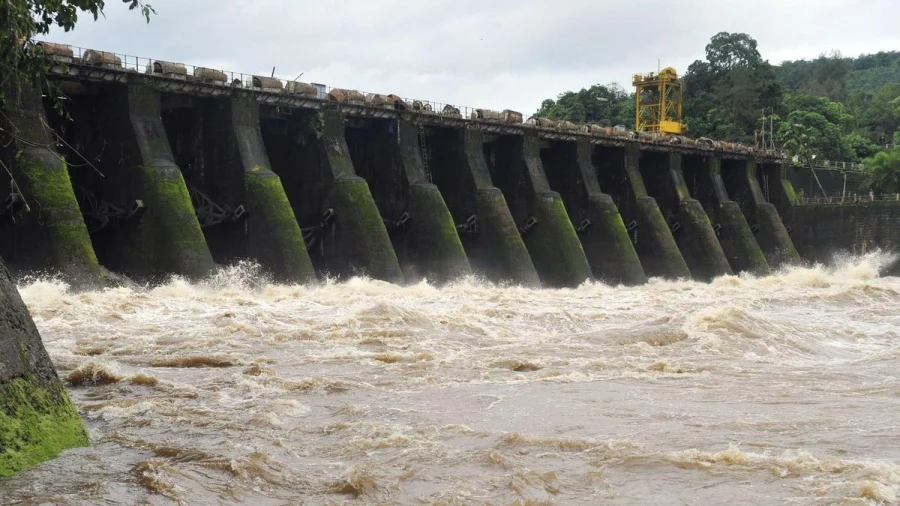
The water that reaches taps in Kannur town carries more than a daily routine — it carries the region's dependence on the Pazhassi dam. After intense rain and landslips pushed heavy silt into the reservoir, that dependence has turned into a sudden and unwelcome disruption for residents and businesses alike.
Silt Turns Reservoir Water Too Muddy To Treat
High turbidity in the Pazhassi dam has disrupted drinking water treatment, according to the initial report on the incident. Turbidity — the cloudiness caused by suspended silt and fine particles — makes standard treatment slower and less effective. The immediate result: reduced water supply to Kannur town and adjoining areas.
Why High Turbidity Is More Than A Dirty-Water Problem
When silt levels spike, treatment plants must adjust chemical dosing, allow longer settling time, and sometimes restrict intake entirely. Silt-laden water can clog filters and overwhelm purification systems. Drinking water standards are strict for good reason — suspended particles can also carry contaminants that complicate treatment.
How One Spell Of Rain Turned The Dam Turbid
Kannur, in northern Kerala, receives heavy monsoon rainfall every year. The Pazhassi dam, built across the Valapattanam river, serves as a key drinking water source for the area. The chain described in the initial report is familiar: intense rain loosens soil on slopes, landslips push debris into streams, and fine sediment flows straight into the reservoir feeding the treatment plant.
Reduced Supply And The Everyday Cost For Kannur
For households, the disruption lands at the most basic level — cooking, cleaning, drinking water. Reduced supply during or just after heavy rain is especially stressful because normal life is already slower to recover. Hospitals, schools and small businesses that depend on steady municipal supply face additional strain until treatment is restored.
No Official Timeline Yet — What We Don't Know
The initial report did not include a formal statement from the Kerala Water Authority or district officials. In similar events, restoration typically depends on how quickly the silt settles and whether fresh rain carries more debris into the reservoir. Until an official update is issued, the exact timeline for full restoration remains unconfirmed.
What Silt In A Reservoir Says About Kerala's Water Systems
This episode fits a broader pattern: extreme rainfall across Kerala's Western Ghats districts has repeatedly triggered landslips that damage roads and water infrastructure. A dam that reliably supplies a town through a normal monsoon can become fragile in a cloudburst. Treatment plants designed for seasonal turbidity are now facing sharper, more sudden spikes.
Confirmed Vs Unclear: Separating Fact From Open Questions
Confirmed: Heavy silt entered the Pazhassi dam following intense rain and landslips; turbidity was high; drinking water treatment was disrupted; Kannur town and adjoining areas faced reduced supply.
Unclear: The exact number of households affected, the duration of the disruption, whether treatment has partially resumed, and whether more areas are impacted. These details await official confirmation.
The Dam's Benefits And Its Weather Vulnerability
The Pazhassi dam is critical infrastructure — it stores monsoon water for dry periods and supplies a major town. But the same catchment that feeds the reservoir is increasingly exposed to landslips. The risk here is not that the dam failed; it is that water quality inside the reservoir can change dramatically during extreme weather. The episode also raises questions about catchment management, not just plant-level fixes.
Landslips Upstream, Taps Downstream: A Pattern To Watch
Kerala's drinking water network depends on a chain: forested hills, streams, reservoirs, treatment plants, pipelines. A landslip anywhere upstream can break that chain. As intense rain events become more frequent, water utilities across the state are being forced to ask whether systems built for steady monsoon flows can keep up with sudden, silt-heavy surges.
What Affected Households Should Do Now
Until restoration is confirmed, households in the affected areas should store water for essential use, follow any advisories on boiling, and avoid wastage. Residents dependent on tanker supply should check with local authorities for scheduled distribution. Updates from the Kerala Water Authority or the district collector's office are the most reliable way to track progress.
What Happens Next At The Pazhassi Dam
The immediate task is to wait for turbidity to drop to a treatable range. Once the reservoir water clears and the plant resumes full operation, supply to Kannur town is expected to return to normal. The longer-term question — whether the catchment can be stabilised against future landslips — will outlast this disruption.
Our Take
This is a small disruption with a large reminder attached. It shows how closely a town's daily comfort is tied to the health of distant hill slopes. The silt in the Pazhassi dam did not come from nowhere; it came from land that moved under extreme rain. As Kerala rebuilds after every monsoon, the lesson stays the same: protecting water sources upstream matters as much as the pipes and plants downstream.
Frequently Asked Questions
Why did drinking water treatment stop at the Pazhassi dam?
High turbidity caused by heavy silt, following intense rain and landslips, disrupted the drinking water treatment process at the Pazhassi dam.
Which areas are affected by the reduced water supply?
Kannur town and adjoining areas are facing reduced water supply, according to the initial report on the incident.
When will the water supply return to normal?
No official timeline was available in the initial report. Restoration generally depends on turbidity levels dropping enough for safe and efficient treatment to resume.
What is turbidity and why does it matter for drinking water?
Turbidity is the cloudiness of water caused by suspended particles like silt. High turbidity makes treatment difficult, can clog filtration systems, and may carry harmful contaminants — which is why it is strictly monitored in drinking water sources.



