
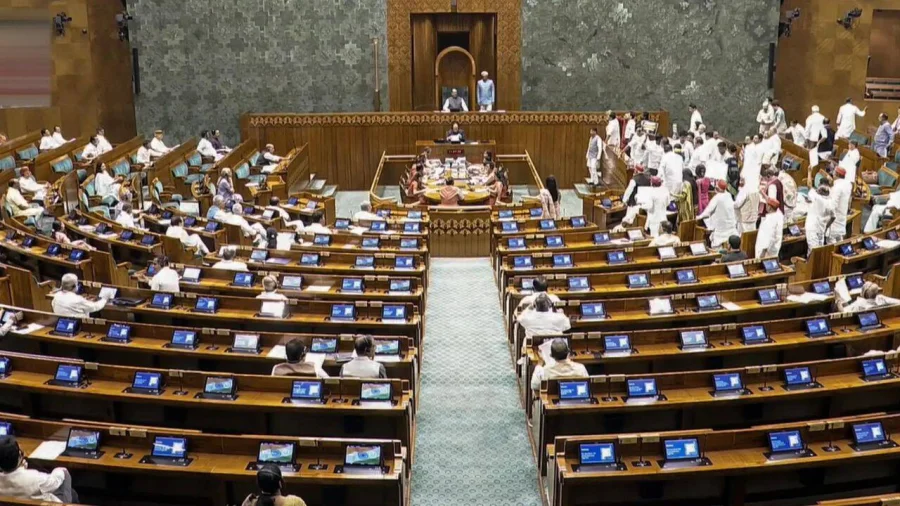
For crores of Indians, social media is where life unfolds — money is sent, memories are shared, opinions are formed, and private messages are exchanged. It is also where personal data can slip into the wrong hands. Now, Parliament is stepping in. A parliamentary panel is planning to meet social media platforms over online safety and privacy, according to the reported headline.
A planned meeting that puts platforms on notice
The panel's decision to hold discussions with social media companies marks a direct engagement between lawmakers and the platforms that host India's digital conversations. The specific committee, date, and list of companies have not been officially disclosed. But the very plan signals that Parliament wants answers on how user safety and privacy are being handled.
Why online safety and privacy are sensitive in India
India has one of the largest social media user bases in the world. With that scale comes real-world risk: accounts hacked, personal data leaked, deepfakes spreading, and misinformation amplifying harm. For ordinary users, online safety is not an abstract policy term — it is about whether personal information stays protected and whether platforms respond quickly when things go wrong.
Who is affected and why it matters
Every Indian who uses social media has a stake in this meeting. Students, small business owners, journalists, and families all rely on these platforms daily. The outcome could shape how complaints are addressed, how data breaches are handled, and how much control users have over their own information.
What remains unclear at this stage
It is important to separate confirmed fact from speculation. What is known: a parliamentary panel has planned a meeting on online safety and privacy with social media platforms. What is not yet known: which platforms are invited, when the meeting will take place, and what specific incidents or issues will be on the agenda. These details are expected to emerge closer to the meeting.
The bigger pattern: Parliament's growing oversight of digital platforms
This development does not stand alone. Indian lawmakers have repeatedly examined digital platforms in recent years, from data protection legislation to questions about misinformation, market dominance, and user harm. This meeting fits a broader pattern of Parliament asserting oversight over companies whose decisions affect millions of citizens daily.
What users should watch for
For the average user, this meeting matters because its outcomes could influence how platforms handle complaints, data breaches, and harmful content. Users should watch for any official statement from the panel or from social media companies after the discussions. Transparency about what was raised and what was promised will be the real test.
What could happen next
Depending on the discussions, the panel could issue recommendations to platforms, seek changes in policy, or report its findings to Parliament. Any specific outcome at this stage would be speculation. What is clear is that online safety and privacy are now firmly on Parliament's agenda, and platforms will need to respond.
Our Take
The significance of this meeting goes beyond a single panel discussion. It reflects a global shift in which governments are no longer leaving online safety entirely to the discretion of private companies. For Indian users, the hope is that scrutiny translates into concrete protections — not just more meetings. The challenge for the panel will be turning digital-age concerns into enforceable, practical outcomes that users can actually feel.
Frequently Asked Questions
Why is a Parliament panel meeting social media platforms?
The panel plans to discuss online safety and privacy concerns with social media companies. This reflects growing parliamentary interest in how digital platforms handle user data, harmful content, and user complaints in India.
What are the main online safety and privacy concerns in India?
Common concerns include data breaches, unauthorised sharing of personal information, deepfakes, misinformation, and harmful content. Many users also worry that platforms do not act quickly enough on complaints or give users enough control over their data.
When will the Parliament panel meet social media platforms?
The exact date has not been officially confirmed. The meeting has been reported as planned, and further details are expected to be announced by the panel or the participating platforms closer to the date.
How can users protect their privacy on social media right now?
Users can strengthen privacy settings, limit the personal information they share publicly, enable two-factor authentication, review app permissions regularly, and avoid clicking unknown links. Caution with unsolicited messages also reduces the risk of scams and account takeovers.



