
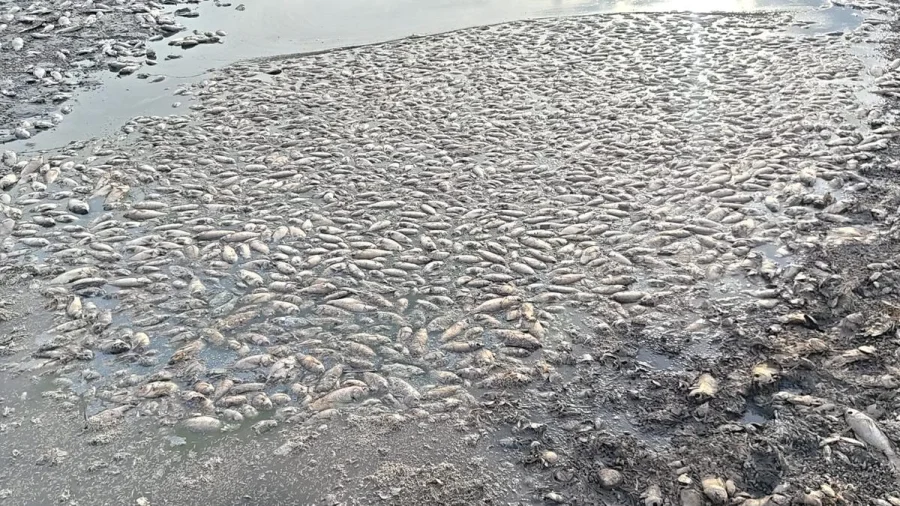
The Palar river near Ambur has become the site of a quiet tragedy. A large number of Jalebi fish have been found dead, killed by oxygen depletion in the water—a silent collapse that has left local residents and environmental observers deeply worried. The sight of lifeless fish floating in a river that many depend on is both heartbreaking and unsettling.
Palar River Fish Kill: What the Report Says
The initial report describes a mass death of Jalebi fish caused by oxygen depletion in the Palar river near Ambur. The exact timing and scale of the event have not been specified in the available information. What is clear is that a river ecosystem has suffered a sudden blow.
Oxygen depletion, also called hypoxia, happens when dissolved oxygen in the water drops below the level aquatic creatures need to survive. Fish essentially suffocate when this level falls too low.
Why Jalebi Fish Deaths Are a Wake-Up Call for Ambur
This fish kill is not just about fish. It is a warning sign for the Palar river system, which flows through a heavily industrialised and densely populated region of Tamil Nadu’s Vellore district. For residents of Ambur and neighbouring villages, the river serves as a source of irrigation, domestic washing, and sometimes food and income.
When a familiar species like the Jalebi fish dies in large numbers, it raises urgent questions about water quality and what might be entering the river unseen. The emotional weight of losing a species that locals recognise is also significant, as it marks a visible decline of a natural resource.
The Likely Chain Behind Oxygen Depletion in Palar
Oxygen depletion in rivers is usually triggered by a combination of factors. Organic waste, sewage, agricultural runoff, and industrial effluent can increase biological oxygen demand, meaning microorganisms consume the oxygen faster than it is replaced. High water temperatures during hot months also reduce the water's ability to hold oxygen.
While the specific cause in this incident remains unclear, such events often result from an accumulation of pressures rather than a single spill. Night-time oxygen drops, decaying algae, and stagnant flow can further worsen the situation.
Real People, Real Grief: Who Stands to Lose
For local fishing families, this is a direct hit on their livelihood. Even a temporary loss of fish can mean days without income. Farmers who rely on the river for irrigation worry whether their crops are being watered with contaminated flows. Householders who use the river for daily chores are now anxious about what has entered the water.
Children who played along the banks, elders who fished for generations, and communities who hold the Palar in cultural regard—all of them absorb this loss differently but deeply. A river is not just water; it is memory and survival.
Authorities Yet to Respond Officially
So far, there has been no verified official statement from the Tamil Nadu Pollution Control Board, the state fisheries department, or the local administration about the incident. Without an immediate official assessment, it is impossible to know whether this is an isolated occurrence or part of a troubling pattern.
The absence of a quick response can erode public trust. Residents deserve to know whether the water is safe, what caused the oxygen collapse, and what steps are being taken to prevent a repeat.
Oxygen Depletion Explained: A Silent Killer of River Life
Dissolved oxygen is essential for aquatic life. Healthy rivers usually maintain oxygen levels above 5 mg/litre. When levels fall below 2 mg/litre, many fish species begin to struggle or die. The situation can become acute at night when plants stop producing oxygen and decomposition consumes it faster.
Jalebi fish, like many freshwater species, are highly sensitive to sudden changes in oxygen. Their deaths are often among the first visible signs of a deeper ecological failure.
Verified Facts vs Speculation: What We Actually Know
What we can reasonably state from the report is that a large number of Jalebi fish died in the Palar river near Ambur and that oxygen depletion has been cited as the cause. That is the core of the report.
What remains unclear is the exact number of fish, the precise river stretch, the timeline, and the source of the oxygen depletion. It is also not known whether any water samples have been taken or whether post-mortem examinations of the fish have been done. Everything beyond the headline is still unconfirmed and should not be treated as fact.
Industrial Pollution and River Ecosystems: The Larger Picture
Palar has long faced pressure from industrial activity and urban waste. The Ambur region is known for leather tanning and other small-scale industries, and concerns over water pollution in the area have been raised by researchers and environmental groups in the past. However, linking this specific fish kill to any single industry without data would be careless.
The broader lesson is that rivers under chronic stress are more vulnerable to sudden collapses. One fish kill event is often a signal that the entire system is struggling to cope.
Steps Local Bodies and Citizens Can Take Right Now
Even before an official investigation, immediate action matters. Local authorities should collect water samples, document the extent of the fish kill with photographs and GPS coordinates, and alert both the Tamil Nadu Pollution Control Board and the fisheries department.
Residents can help by tracking affected areas, avoiding direct contact with the water, and not consuming dead or dying fish from the river until testing confirms safety. Reporting sightings to officials helps create an evidence base for action.
What Happens Next for the Palar River and Its Fish
The immediate future depends on how quickly authorities respond. If oxygen levels recover and the pollution source is addressed, the fish population may gradually rebound. But if untreated waste continues to enter the river, more fish kills are likely, possibly on a larger scale.
The Jalebi fish deaths could be a temporary seasonal event or the start of a more serious decline. Only a transparent, scientific investigation can tell which story this really is.
Our Take: A Small Fish, A Big Warning
It is easy to overlook a fish kill in a single river stretch. But the death of a familiar species is a bellwether—it tells us that the water people rely on is no longer safe enough to sustain life. The Palar river near Ambur deserves more than a headline; it deserves urgent inquiry, honest answers, and long-term restoration efforts.
When a river silently loses its fish, it is also silently losing its ability to support people. That is a story we cannot afford to ignore.
Frequently Asked Questions
What is Jalebi fish?
Jalebi fish is a locally known freshwater fish in parts of Tamil Nadu, named for its coiled shape that resembles the Indian sweet 'jalebi'. The exact scientific species involved in this Palar river incident has not been identified in the available report.
Why did fish die in the Palar river due to oxygen depletion?
Oxygen depletion occurs when dissolved oxygen in water drops sharply below survival levels for fish. It is often triggered by pollution, organic waste, high temperatures, or algae decomposition. The precise trigger in this Palar river fish kill is still unconfirmed.
Is Palar river water safe for drinking now?
Until authorities test the water and release official guidance, it is safer to avoid drinking or drawing water directly from the affected stretch of the Palar river. Residents should wait for advisories from the Tamil Nadu Pollution Control Board and local administration.
What should fishermen do if they find dead fish?
Fishermen should avoid touching or eating dead fish, report the sighting to the local fisheries department, and document the location and scale of the fish kill to assist officials in assessing the impact.



