
Summary
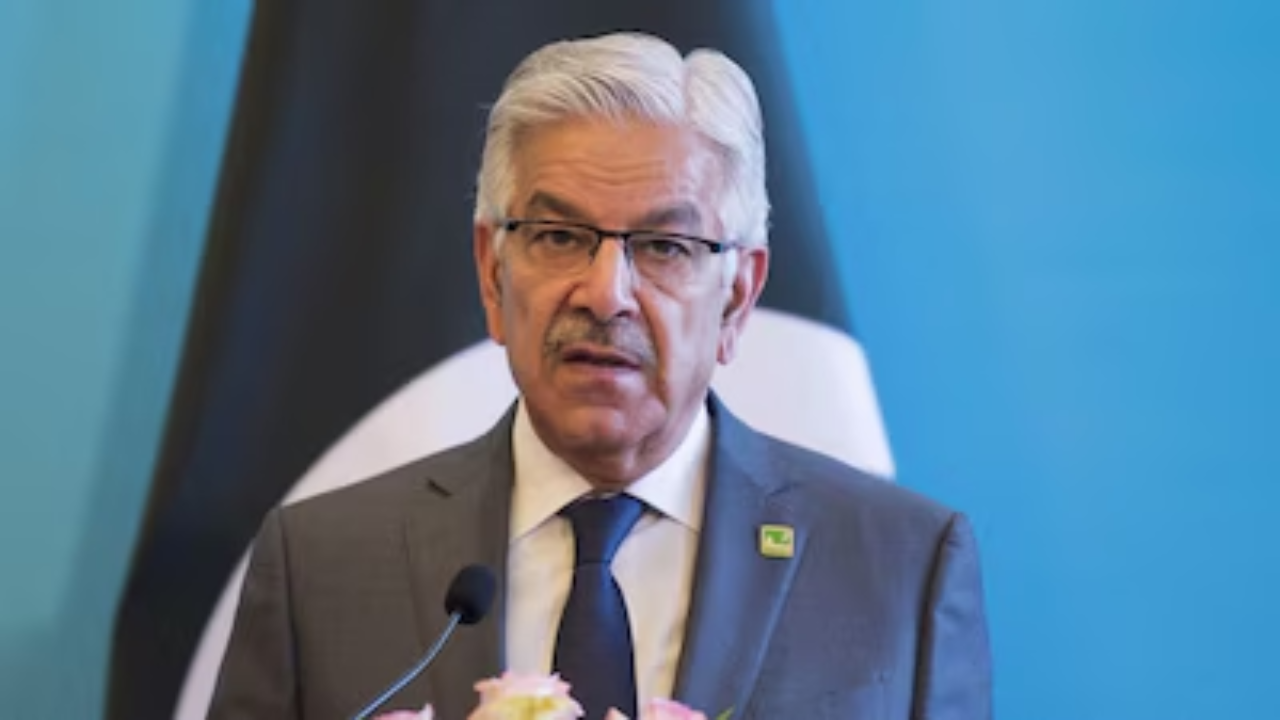
Pakistan’s Defense Minister has publicly questioned the current military strategy of the United States regarding Iran. In a recent statement, the minister suggested that the original reasons for U.S. involvement in the region have changed over time. He mocked the shifting goals of Western powers, pointing out that their actions no longer seem to follow a clear or consistent plan. This criticism highlights the growing tension between Pakistan and the U.S. over how to handle security issues in the Middle East and South Asia.
Main Impact
The comments from the Pakistani official signal a significant disagreement between two long-time partners. By openly mocking U.S. strategy, Pakistan is showing that it may no longer align with Western views on Iranian relations. This shift could make it harder for the U.S. to find support in the region for its policies. It also suggests that Pakistan is becoming more vocal about its own interests, especially as it shares a long border with Iran and feels the direct effects of any nearby conflict.
Key Details
What Happened
The Defense Minister spoke to the media about the ongoing tensions involving Iran and the U.S. military presence in the surrounding areas. He noted that the "goal of the war" appears to have moved away from its starting point. Instead of focusing on specific security threats, he argued that the strategy now seems confused. His tone was described as mocking, as he suggested that the U.S. is struggling to explain its long-term plans to the rest of the world.
Important Numbers and Facts
While the minister did not list specific data points, his comments come at a time of high military spending and increased naval presence in the region. Pakistan and Iran share a border that is over 900 kilometers long. Any military action or economic pressure on Iran directly impacts Pakistan’s trade and border security. The minister’s statement reflects a concern that the U.S. has spent billions of dollars without achieving a stable peace, leading to what he sees as a lack of direction in their current foreign policy.
Background and Context
To understand why this matters, one must look at the history of the region. For decades, the U.S. and Iran have had a difficult relationship, often involving sanctions and military threats. Pakistan has frequently tried to balance its relationship with both countries. It needs the U.S. for financial and military aid, but it also needs a peaceful relationship with Iran to ensure its own borders remain safe. In recent years, Pakistan has grown frustrated with Western strategies that it believes cause more instability than they solve. The minister's remarks are a reflection of this long-standing frustration.
Public or Industry Reaction
The reaction to the minister’s comments has been mixed. Within Pakistan, many people support the idea of a more independent foreign policy. They feel that following U.S. strategy has often led to problems for Pakistan in the past. However, some political experts worry that mocking a major power like the U.S. could lead to diplomatic trouble. In the international community, these comments are seen as a sign that the U.S. is losing its influence over its traditional allies in the region. Analysts suggest that other countries may soon follow Pakistan's lead in questioning Western military goals.
What This Means Going Forward
Moving forward, we can expect more friction between the U.S. and Pakistan regarding Middle Eastern affairs. If Pakistan continues to distance itself from U.S. strategy, it may look for closer ties with other regional powers like China or Russia. This could change the balance of power in the area. For the U.S., these comments serve as a warning that its goals need to be clearer if it wants to keep the support of its partners. There is a risk that without a clear plan, more countries will view Western involvement as a source of chaos rather than a path to peace.
Final Take
The Pakistani Defense Minister’s blunt critique shows a changing world where traditional alliances are being tested. By calling out the shifting goals of the U.S. in Iran, Pakistan is demanding more transparency and a more logical approach to regional security. This situation proves that military power alone is not enough to maintain influence; clear and consistent goals are just as important for international cooperation.
Frequently Asked Questions
Why did the Pakistan Defense Minister mock the U.S.?
He believes the U.S. strategy regarding Iran has become confused and that the original goals of their military presence have changed without a clear explanation.
How does this affect U.S.-Pakistan relations?
It creates diplomatic tension and suggests that Pakistan is willing to publicly disagree with U.S. foreign policy to protect its own regional interests.
What is the main concern for Pakistan regarding Iran?
Pakistan shares a large border with Iran. Any conflict or instability caused by U.S. strategy can lead to security problems, refugees, and economic loss for Pakistan.

