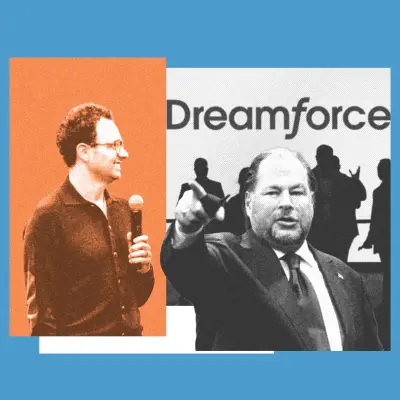
OpenAI's chief executive is telling the tech industry something it rarely wants to hear: go slower. On the latest episode of TechCrunch's Equity podcast, the team unpacked Sam Altman's call for AI developers to "pace the rate of AI development" — a stance that has quietly made him a central figure in the decel debate.
What Altman is actually asking for
Altman has been calling on the industry to pace how quickly artificial intelligence is built and deployed, according to the episode's focus. The wording is important. He is not asking for a freeze. He is asking for a rhythm — measured progress instead of a free-for-all.
The decel debate, explained in plain terms
The decel debate splits AI's most vocal insiders into two broad camps. Accelerationists argue rapid development is inevitable and necessary to stay competitive. Decelerationists, or "decels," want enforced speed limits, pointing to safety, job displacement and loss of control as reasons to pause.
Altman's "pacing" language sits between both positions. It acknowledges urgency while signalling that unrestrained speed carries costs the industry has not fully priced in.
Why an OpenAI leader saying this changes the conversation
Altman runs the company behind some of the world's most widely used AI products. When a leader at that level asks for restraint, investors, regulators and rival labs pay attention. His words carry weight partly because his company sets the pace others try to match.
The pushback Altman could face
Not everyone will welcome the message. Accelerationists argue that slowing down hands an advantage to rivals — including competitors outside the US — who care less about measured progress. Critics may also ask whether a call for pacing is genuine caution or a way to shape rules that favour an incumbent.
Who actually feels this debate
The stakes are not abstract. If AI development slows, businesses building on the technology face delayed products and shifting roadmaps. If it accelerates unchallenged, workers and regulators struggle to keep up. Either way, the decel debate decides who adjusts — and how fast.
What's verified and what remains unclear
Confirmed: Equity devoted its latest episode to Altman's position, and he has been calling on the industry to pace the rate of AI development.
Unclear: The specific reasoning Altman laid out in the discussion, any concrete policy proposals, and whether OpenAI itself plans to slow its release timeline. Those details were not independently verified for this article.
What to watch next
The clearest signal will be OpenAI's own behaviour. Watch whether the company's product release cadence changes, whether Altman pushes for formal industry guardrails, and which major AI labs endorse or reject the pacing message. The debate may be philosophical today, but it becomes operational quickly.
Our Take
Altman's positioning is notable because it breaks a simple binary. The decel debate has often been framed as speed versus safety, but "pacing" reframes it as a question of timing and responsibility. The cynic sees a market leader trying to slow challengers; the optimist sees an insider acknowledging real risk. Both readings are plausible, and neither is yet confirmed by concrete action. Until OpenAI's roadmap changes, this is a statement of intent — an important one, but not yet a policy.
Frequently Asked Questions
What is the decel debate in AI?
The decel debate is the ongoing clash between those who want AI development to move as fast as possible — sometimes called accelerationists — and those who want deliberate slowdowns or pauses to manage safety and societal risks, known as decelerationists or "decels."
What did Sam Altman say about AI development speed?
According to the latest Equity podcast episode, Sam Altman has been calling on the AI industry to "pace the rate of AI development" — a call for measured, deliberate progress rather than an outright stop.
Why would Sam Altman want to slow down AI?
The full reasoning from the episode was not independently verified, but pacing arguments typically centre on safety, regulatory readiness and giving society time to adapt. As the head of OpenAI, Altman is also in a position where slowing industry-wide momentum could benefit the most prepared players.
Does Sam Altman want to stop AI development entirely?
No. The reported language is about pacing — a controlled speed of development — not halting it. The distinction matters because a pause and a pace carry very different consequences for the industry.