Summary
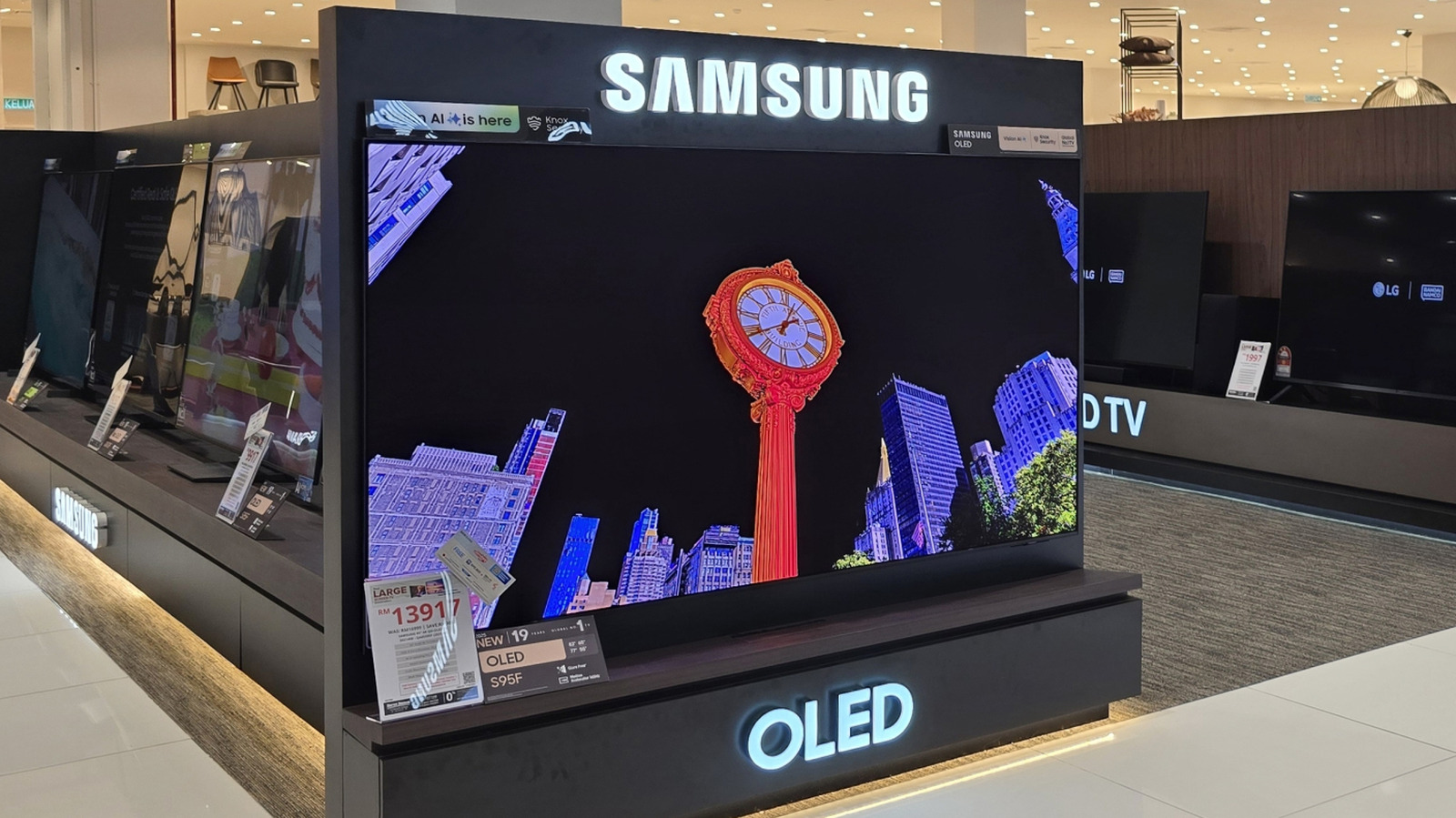
OLED TVs remain the top choice for picture quality in 2026, offering deep blacks and vibrant colors that other TVs struggle to match. However, newer technologies like Mini-LED and QD-OLED have closed the gap, making OLED less of a clear winner for everyone. This article looks at whether paying extra for OLED still makes sense for most buyers today.
Main Impact
The biggest change in 2026 is that OLED TVs are no longer the only option for great picture quality. Mini-LED TVs now offer similar brightness and contrast at lower prices, while QD-OLED combines OLED’s strengths with better color and brightness. This means buyers must decide if OLED’s premium price is worth it for their specific needs, like watching movies in dark rooms or gaming.
Key Details
What Happened
OLED technology, which uses self-lit pixels to create perfect blacks, has been the gold standard for years. But in 2026, competitors like Samsung’s QD-OLED and high-end Mini-LED TVs from brands like TCL and Sony offer similar performance. OLED TVs still cost more, often $500 to $1,000 extra for comparable sizes, but they excel in certain areas like viewing angles and motion handling.
Important Numbers and Facts
OLED TVs in 2026 typically cost between $1,500 and $3,500 for 65-inch models, while Mini-LED TVs of the same size range from $1,000 to $2,500. OLED panels can reach peak brightness of about 1,000 nits, while Mini-LED can hit 2,000 nits or more. OLEDs have a 0.0001ms response time, making them ideal for fast-moving content like sports and games.
Background and Context
OLED TVs have been around since the early 2010s, known for their ability to turn off individual pixels for true black levels. This gives them an edge in contrast and color accuracy. But Mini-LED technology, which uses thousands of tiny LEDs to control brightness, has improved a lot. It now offers better brightness without the risk of burn-in, which is a concern for OLED users who watch static content like news channels.
Public or Industry Reaction
Tech reviewers and early adopters praise OLED for its cinematic quality, especially in dark rooms. But many casual buyers now prefer Mini-LED for its brightness and lower price. Industry experts note that OLED’s market share has dropped slightly as Mini-LED becomes more popular. Some users still worry about OLED burn-in, though modern panels have better protections.
What This Means Going Forward
For buyers in 2026, the choice depends on usage. If you watch movies in a dark room or play games with fast motion, OLED is still worth the premium. But if you watch TV in a bright room or leave static images on screen, Mini-LED offers better value. OLED will likely stay the best for enthusiasts, but for most people, the gap is small enough that cheaper options are good enough.
Final Take
OLED TVs are still excellent, but they are no longer the only great choice. The premium price makes sense only if you care deeply about perfect blacks and viewing angles. For everyone else, Mini-LED and QD-OLED offer similar quality at a lower cost, making OLED a luxury rather than a necessity in 2026.
Frequently Asked Questions
Is OLED better than Mini-LED for gaming?
Yes, OLED is better for gaming because it has faster response times and better motion handling. This reduces blur in fast games. But Mini-LED can be brighter, which helps in bright rooms.
Does OLED still have burn-in problems in 2026?
Burn-in is less common now due to better panel technology and software fixes. But it can still happen if you watch static content like news or sports tickers for many hours daily. Mini-LED does not have this risk.
Should I buy an OLED TV in 2026 or wait for something better?
If you want the best picture quality now, OLED is a great choice. But if you are not in a hurry, MicroLED technology is coming in the next few years and may offer even better performance. For most people, buying an OLED today is still a good decision.