
Summary
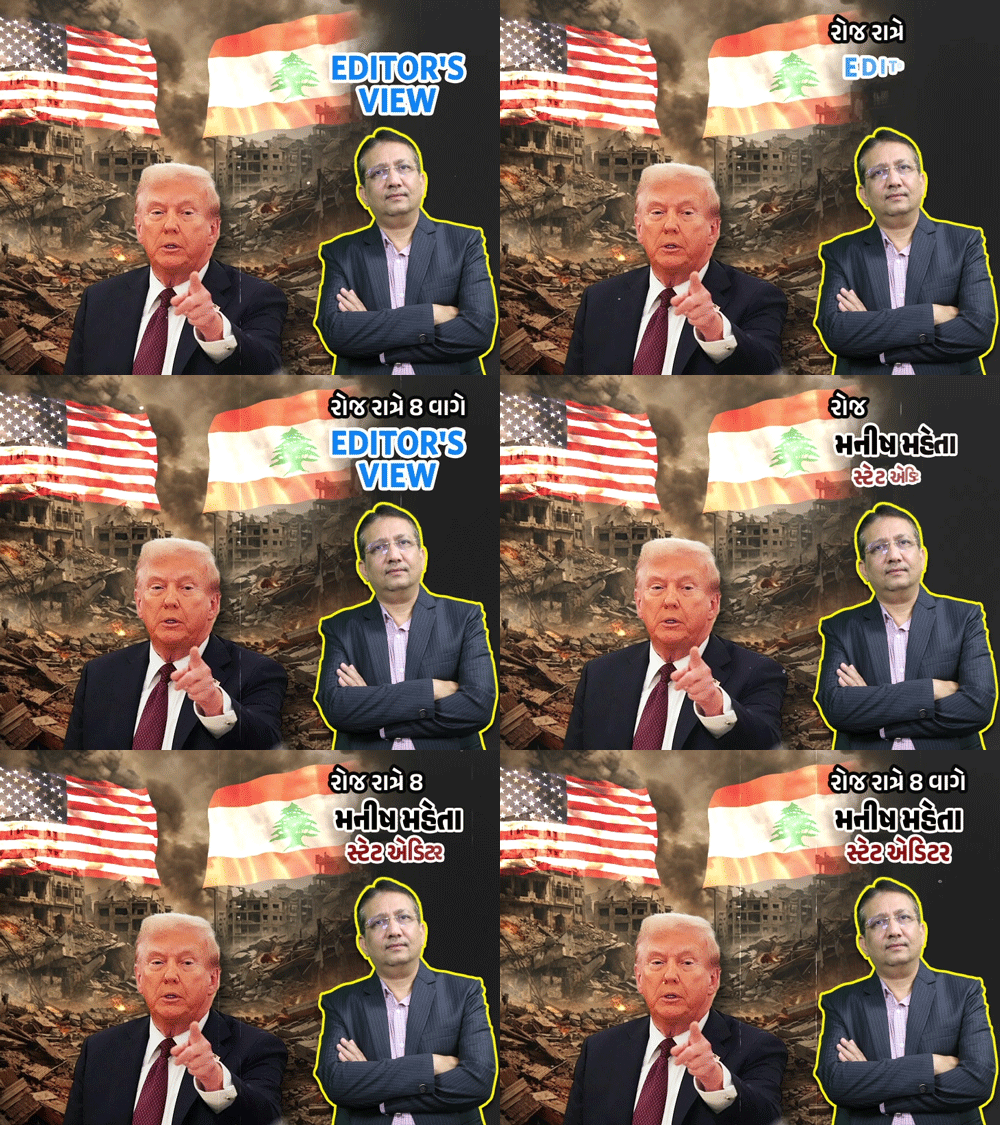
Major diplomatic meetings are taking place in Washington and Islamabad to prevent a wider war in the Middle East. For the first time since 1948, officials from Israel and Lebanon are sitting at the same table to discuss peace. At the same time, the United States and Iran are trying to reach a deal over nuclear weapons, but the talks are struggling. These events have caused global oil prices to jump, which could soon lead to higher petrol and diesel costs for everyone.
Main Impact
The most immediate impact of these tensions is being felt at the gas pump. Crude oil prices have already increased by 8%, reaching over $104 per barrel. If the diplomatic talks fail, experts warn that prices could climb to $120. Beyond money, these meetings could change the power balance in the region. Lebanon is trying to distance itself from the militant group Hezbollah and Iranian influence to save its failing economy and stop the ongoing violence on its borders.
Key Details
What Happened
Two separate but connected negotiations are happening right now. In Washington, the US is acting as a middleman between Israel and Lebanon. This is a historic move because these two countries have been enemies for decades. In Islamabad, US Vice President JD Vance and Iranian officials are debating the future of Iran’s nuclear program. The US is demanding a 20-year freeze on nuclear activities, while Iran is only offering five years. Because these talks have not yet succeeded, the US has placed a naval blockade near the Strait of Hormuz, a vital path for the world's oil supply.
Important Numbers and Facts
The economic situation is becoming critical. Oil is currently trading at $104.43 per barrel. In Iran, the local currency has crashed, and the cost of basic goods is rising by nearly 20% every week. The US is offering Iran a massive $1 trillion boost to its economy if it agrees to the 20-year deal. This would include new technology to help Iran stop losing 40% of its natural gas during production. However, if no agreement is reached by the April 21 deadline, the risk of a full-scale military conflict increases significantly.
Background and Context
This conflict matters because the Middle East provides a large portion of the world's energy. The Strait of Hormuz is like a main artery for global trade. When the US Navy blocks this area or when Iran threatens to disrupt it, the supply of oil drops, and prices go up everywhere, including in India. The current US administration is also under pressure because of the upcoming elections in November 2026. They need to lower gas prices to keep voters happy, which is why they are pushing so hard for these peace deals now.
Public or Industry Reaction
Market analysts are very worried about the current deadlock. They believe that unless the US and Iran find a middle ground—perhaps a 10 or 12-year agreement—the global economy will face high inflation. In Lebanon, the public is exhausted. Since March, over 2,000 civilians have died, and a million people have been forced to leave their homes. Many people in Lebanon now want their government to take full control and stop letting groups like Hezbollah make decisions about war and peace.
What This Means Going Forward
The next few days are vital. If the Israel-Lebanon meeting in Washington goes well, it could weaken Hezbollah's hold on the region. This would make it harder for Iran to use proxy groups to fight Israel. On the nuclear side, the US is demanding much stricter rules than before. They want the power to inspect any Iranian site with only 24 hours' notice and want Iran to stop testing long-range missiles. If these demands are met, it could lead to long-term stability. If they are rejected, the naval blockade will likely continue, keeping oil prices high.
Final Take
The world is at a turning point where diplomacy and high-stakes economics meet. While the historic meeting between Israel and Lebanon offers a glimmer of hope for peace, the stubbornness in the US-Iran nuclear talks keeps the global economy at risk. For the average person, the success of these meetings will determine whether the cost of living continues to rise or finally begins to settle down. True peace will require more than just sitting at a table; it will require both sides to trust each other after years of broken promises.
Frequently Asked Questions
Why are petrol and diesel prices going up?
Prices are rising because of tensions in the Middle East and a naval blockade in the Strait of Hormuz. This limits the supply of oil, making it more expensive for countries to buy and sell.
Why is the meeting between Israel and Lebanon historic?
It is the first time since 1948 that these two countries have engaged in direct diplomacy at this level. It signals that Lebanon may be trying to end its long-standing conflict with Israel to fix its own economy.
What is the April 21 deadline?
April 21 is the date set by negotiators to reach a ceasefire or a nuclear agreement. If no deal is made by then, experts fear that military actions could increase and oil prices could hit record highs.



