
Summary
The National Testing Agency (NTA) has rejected claims from five NEET-UG candidates who said their OMR answer sheets were wrong. The agency says the OMR images shared online are fake and likely created using digital tools or AI. It confirmed that the original OMR sheets and scores are correct. Under new rules, candidates who submit false documents could face serious punishment.
Main Impact
The NTA's statement directly addresses growing doubts about the fairness of the NEET-UG exam. By calling the OMR claims "digital forgeries," the agency is trying to protect the exam's credibility. This move also warns others that making false claims will not be tolerated. The impact is clear: the NTA is standing by its process and threatening strict action against anyone trying to cheat the system.
Key Details
What Happened
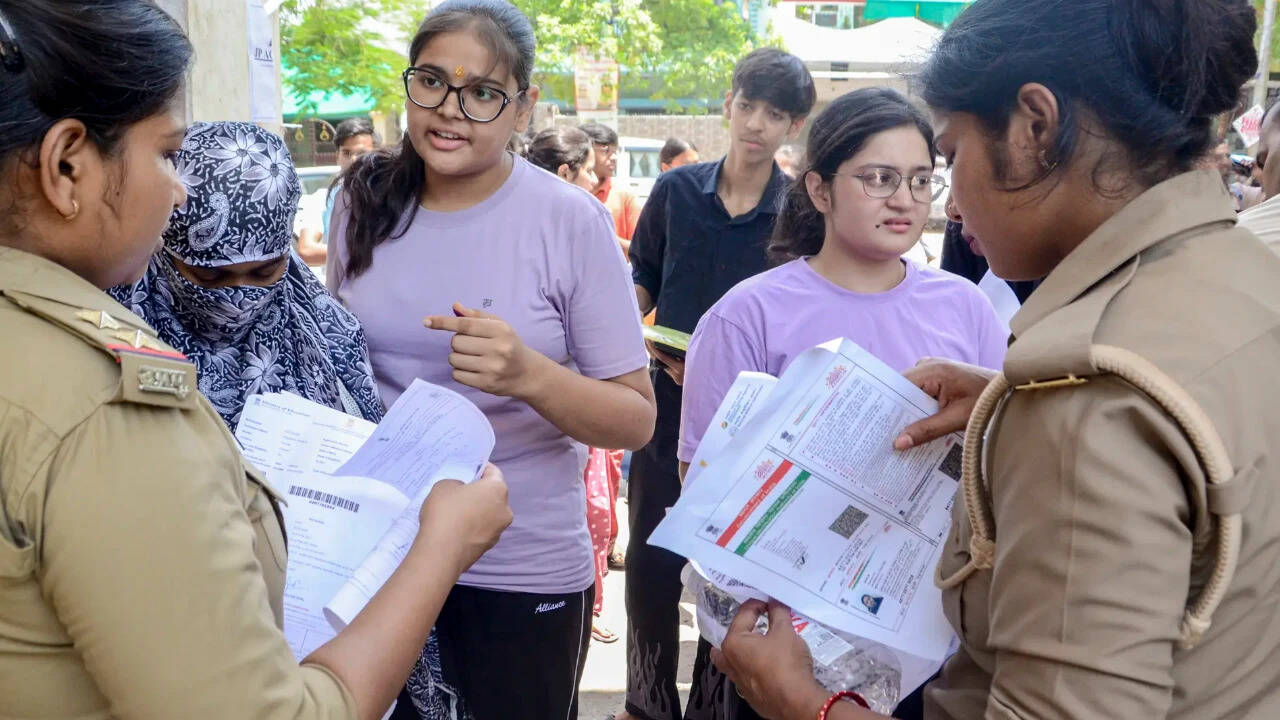
Five candidates who took the NEET-UG exam complained that their OMR sheets did not match their actual answers. They shared images of these sheets online to support their claims. The NTA investigated and found that the images were not real. The agency said the sheets were likely changed using photo-editing software or artificial intelligence. It stressed that the original OMR sheets kept by the NTA are accurate and match the scores given to each candidate.
Important Numbers and Facts
The NTA specifically named five candidates in its statement. It did not release their names publicly but confirmed the number. The agency also reminded everyone that under the new Public Examinations (Prevention of Unfair Means) Act, 2024, submitting fake documents is a serious offense. This law allows for penalties including fines and jail time. The NTA has not yet said what action it will take against these five candidates, but it warned that severe penalties are possible.
Background and Context
NEET-UG is the main medical entrance exam in India. Every year, lakhs of students take this test to get into medical and dental colleges. Because the exam is so important, any claim of a mistake or cheating gets a lot of attention. In recent months, there have been several reports of students questioning their OMR sheets. The NTA has faced pressure to prove that the exam is fair. This latest statement is part of the agency's effort to show that it takes all complaints seriously but will not accept false evidence.
Public or Industry Reaction
The reaction has been mixed. Some students and parents welcome the NTA's firm stance, saying it protects honest candidates. Others are skeptical and want more transparency. Education experts point out that digital forgeries are becoming more common, so the NTA's warning is timely. However, some critics argue that the agency should also look into genuine cases of errors. Overall, the statement has not fully ended the debate about the exam's fairness, but it has shifted the focus to the risk of making false claims.
What This Means Going Forward
The NTA's strong response sets a clear rule: false complaints will not be ignored. Candidates who think they have a real problem must provide genuine proof. The agency is likely to use digital tools to check all future OMR claims. This could reduce the number of fake complaints but may also make it harder for students with real issues to be heard. The new law gives the NTA more power to punish cheaters, which could discourage others from trying to manipulate the system. Going forward, students need to be careful about the evidence they share online.
Final Take
The NTA has drawn a hard line on OMR sheet disputes. By calling the claims digital forgeries, it is protecting the exam's integrity while warning others. This case shows how technology can be used both to cheat and to catch cheaters. For students, the message is simple: trust the official process, or face the consequences.
Frequently Asked Questions
What did the NTA say about the OMR sheets?
The NTA said the OMR sheets shared by five NEET-UG candidates are fake. The agency believes the images were changed using digital tools or AI. It confirmed that the original sheets and scores are correct.
What punishment can candidates face for fake OMR claims?
Under the new Public Examinations Act, 2024, submitting false documents can lead to fines and jail time. The NTA has warned that severe penalties may be imposed on those who try to cheat the system.
Why is this issue important for NEET-UG students?
NEET-UG is a high-stakes exam for medical admissions. Any claim of error can cause doubt among students and parents. The NTA's statement aims to restore trust by showing that it checks all complaints and will not accept fake evidence.



