
Summary
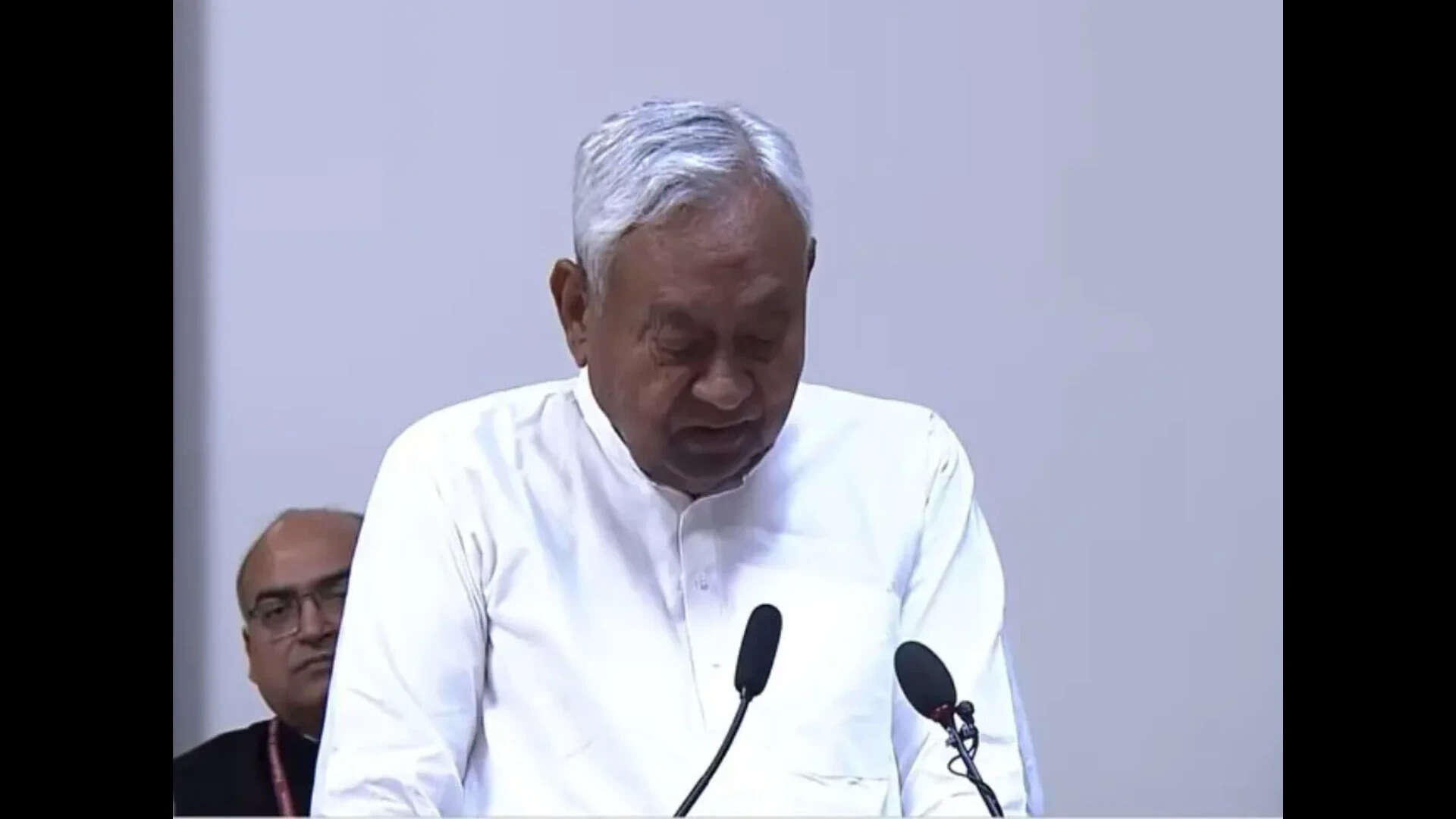
Nitish Kumar, a prominent figure in Indian politics and the long-serving leader from Bihar, has officially started his new role as a Member of Parliament in the Rajya Sabha. He took his oath of office in New Delhi, marking a major transition from state-level leadership to the national stage. This move is significant because it signals a potential shift in the political power structure of Bihar and strengthens his party's voice in the upper house of Parliament. For many, this marks the beginning of a new chapter for one of India’s most experienced politicians.
Main Impact
The decision for Nitish Kumar to join the Rajya Sabha has immediate effects on both state and national politics. By moving to the central government's upper house, he is stepping away from the direct, day-to-day management of Bihar, a state he has led for nearly two decades. This creates a massive opening in Bihar’s leadership, leading to questions about who will take over his previous responsibilities. At the national level, his presence in the Rajya Sabha gives the Janata Dal (United) a highly experienced representative who understands the complexities of state-center relations.
Key Details
What Happened
The oath-taking ceremony took place in the Rajya Sabha chamber in the presence of senior officials and other members of Parliament. Nitish Kumar took his oath in Hindi, swearing to uphold the Constitution of India. The event was brief but carried a lot of political weight. Following the ceremony, he was greeted by leaders from various political parties, showing his long-standing connections across the political spectrum. This move follows months of speculation about his future role in the government and his party’s strategy for the coming years.
Important Numbers and Facts
Nitish Kumar has served as the Chief Minister of Bihar for multiple terms, starting back in 2005. He has been a dominant force in the state for about 20 years. His transition to the Rajya Sabha means he is now one of the 245 members who represent the interests of states at the federal level. His party, the JD(U), relies heavily on his image and experience to maintain its influence. The timing of this move is also important, as it happens during a period of political realignment before major upcoming elections.
Background and Context
To understand why this matters, one must look at Nitish Kumar’s history. He is often credited with improving the infrastructure and law and order in Bihar during his early years as Chief Minister. He earned the nickname "Sushasan Babu," which means a leader who provides good governance. Over the years, he has been a key player in various national alliances, sometimes working with the NDA and other times with opposition groups. His move to the Rajya Sabha is seen by some as a "graceful exit" from state politics, while others see it as a strategic move to play a bigger role in choosing the next national leadership.
Public or Industry Reaction
The reaction to this news has been mixed. Supporters of the JD(U) believe that Nitish Kumar’s experience will be a great asset in New Delhi. they argue that he can now advocate for Bihar’s needs more effectively from the center. On the other hand, political rivals suggest that this move shows a weakening of his hold over Bihar. Some local citizens in Patna have expressed concern about who will lead the state with the same level of authority. Meanwhile, political analysts are busy predicting how this will change the voting patterns and alliances in the next state assembly election.
What This Means Going Forward
Looking ahead, the focus will shift to the leadership transition in Bihar. The JD(U) will need to find a face that can appeal to the voters as much as Nitish Kumar did. There is also the risk of internal party disagreements as different leaders vie for the top spot. In the Rajya Sabha, Nitish Kumar is expected to be a vocal member, especially on issues like special status for backward states and agricultural reforms. His every move will be watched to see if he intends to run for an even higher national office in the future.
Final Take
Nitish Kumar’s move to the Rajya Sabha is more than just a change of job; it is a turning point for Indian politics. After dominating the political scene in Bihar for so long, his shift to New Delhi marks the end of an era for the state. Whether this move helps his party grow stronger or leads to a period of uncertainty in Bihar remains to be seen. However, his presence in the capital will certainly add a layer of experience and wisdom to the national debates in the years to come.
Frequently Asked Questions
Why did Nitish Kumar move to the Rajya Sabha?
While the official reason is to represent his party at the national level, many believe it is a strategic move to transition out of state politics and take on a more advisory or national role.
Who will become the next Chief Minister of Bihar?
A formal announcement has not been made yet, but several senior leaders within the JD(U) and its alliance partners are being considered for the position.
What is the Rajya Sabha?
The Rajya Sabha is the upper house of India's Parliament. Its members are not elected directly by the people but by the members of the State Legislative Assemblies.



