
Summary
Forest officials in the Nilgiris district have taken a young tiger cub into their care after it was spotted near a local village. Residents of Solada village first noticed two cubs wandering in the area and quickly informed the Forest Department. This action was taken to ensure the safety of the young animal and to prevent any dangerous encounters between wildlife and the local community. The situation highlights the ongoing challenges of managing wildlife in areas where human homes are close to forest borders.
Main Impact
The decision to take the tiger cub into captivity has an immediate effect on both local safety and wildlife conservation. For the villagers in Solada, the presence of tiger cubs suggests that an adult female tiger is likely nearby, which can cause fear and worry for daily safety. By removing the cub from the immediate area, officials have reduced the risk of a direct confrontation. However, for the cub, being separated from its mother is a serious event that requires expert medical care and constant monitoring to ensure it survives without its natural protector.
Key Details
What Happened
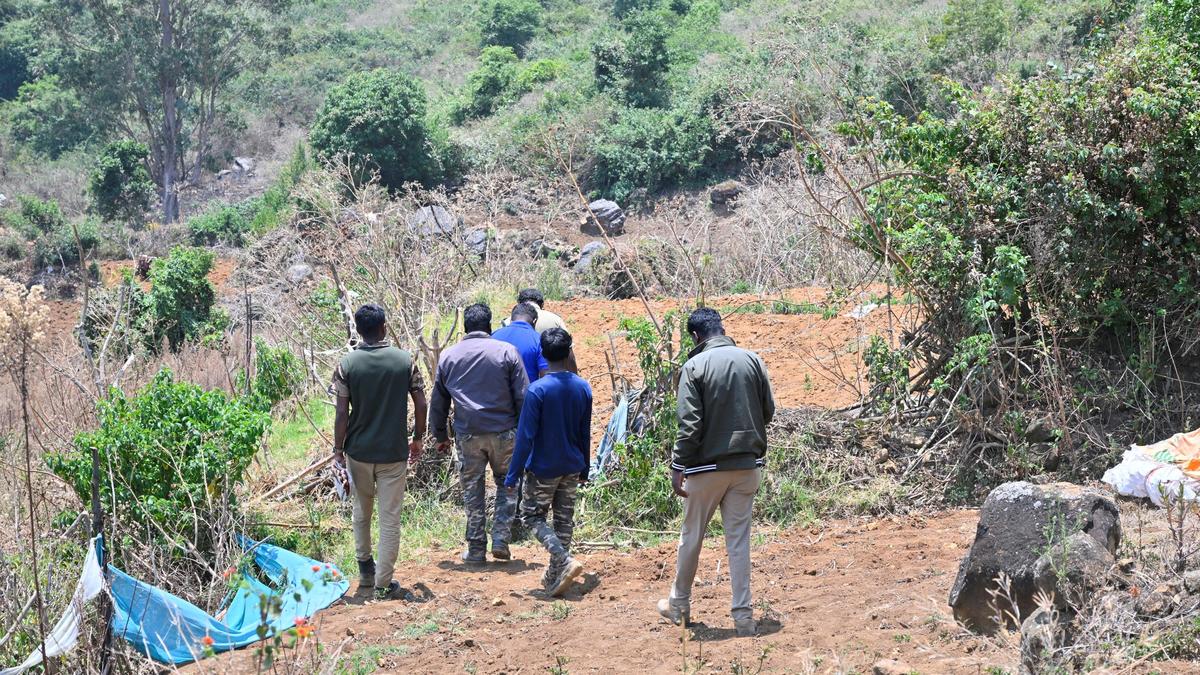
The incident began when people living in Solada village, located in the Nilgiris, saw two small tiger cubs moving through the area. Seeing wild tigers so close to human homes is rare and often signals that the animals are in trouble. The villagers did not try to chase the animals away themselves. Instead, they followed safety protocols and called the local Forest Department right away. When the officials arrived, they assessed the situation and decided that at least one of the cubs needed to be taken into custody for its own protection. The search for the second cub and the mother tiger continues as officials keep a close watch on the surrounding woods.
Important Numbers and Facts
The Nilgiris region is home to a significant number of tigers, making it one of the most important areas for tiger conservation in India. In this specific case, two cubs were reported by the public. Forest teams have set up cameras and sent out foot patrols to track the movement of the mother tiger. The cub that was captured is currently being held in a secure facility where veterinarians can check its health. Officials are looking for signs of injury or hunger to understand why the cubs were left alone near a village. Data from recent years shows that as forest areas change, these types of sightings are becoming more frequent in the mountain regions.
Background and Context
The Nilgiris is a large mountain range known for its thick forests and famous tea gardens. It provides a natural home for many wild animals, including elephants, leopards, and tigers. Tigers usually stay deep within the forest, away from people. However, a mother tiger might move her cubs closer to the edges of the forest if she feels threatened by other male tigers or if she is struggling to find enough food. In some cases, a mother might leave her cubs in a hidden spot while she goes out to hunt. If she does not return quickly, the cubs may start to wander out of hunger or fear, which often leads them into human settlements like Solada village.
Public or Industry Reaction
The local community has expressed a mix of relief and concern. While they are glad the Forest Department acted fast to secure the cub, many farmers and workers are worried about the mother tiger. An adult tiger looking for her lost cubs can be very protective and aggressive. Wildlife experts have praised the villagers for not harming the cubs and for calling the authorities immediately. Conservationists are now focused on whether the cub can be reunited with its mother. They explain that raising a tiger in captivity is a last resort, as it is always better for a wild animal to grow up in its natural environment with its own kind.
What This Means Going Forward
The next few days are critical for the captured cub. Experts will monitor its health and wait to see if the mother tiger returns to the area where the cubs were first seen. If the mother is found and appears healthy, officials may try to place the cub back in a safe spot for a reunion. If the mother cannot be found, the cub will likely be moved to a specialized rescue center or a zoo where it can receive long-term care. Forest guards will also continue to patrol Solada village to ensure that no other tigers are lingering near the homes. This event will likely lead to more discussions about how to better protect both the people and the wildlife living in the Nilgiris.
Final Take
This event serves as a reminder of the thin line between human living spaces and the wild. The successful rescue of the tiger cub shows that when the public and the government work together, wildlife can be protected even in difficult situations. The focus now remains on the well-being of the cub and the safety of the people in the Nilgiris. Ensuring that these magnificent animals have enough space to live without entering villages is the long-term goal for everyone involved.
Frequently Asked Questions
Why was the tiger cub taken into captivity?
The cub was taken into care because it was found near a village without its mother. This was done to protect the cub from hunger or injury and to keep the local villagers safe.
What happened to the second cub?
Local residents reported seeing two cubs, but officials have only secured one so far. Forest teams are currently searching the area to find the second cub and the mother tiger.
Will the cub be released back into the wild?
If the mother tiger is found and the cub is healthy, officials will try to reunite them. If a reunion is not possible, the cub may have to stay in a rescue center for its own safety.



