
Summary
Forest officials in the Nilgiris district have launched an urgent search to identify a wild animal that killed a local woman. To help with the search, the department has placed several camera traps in the area where the attack happened. Officials are also working to clear up rumors by stating that this animal is likely not the same tiger responsible for two other deaths in the region over the last year.
Main Impact
The recent death has caused a great deal of fear and worry among the people living in the Nilgiris. Many residents in this area work in tea estates or live in small villages close to the forest. When a wild animal attacks a human, it changes how everyone goes about their daily lives. People are now afraid to go to work or walk outside after dark.
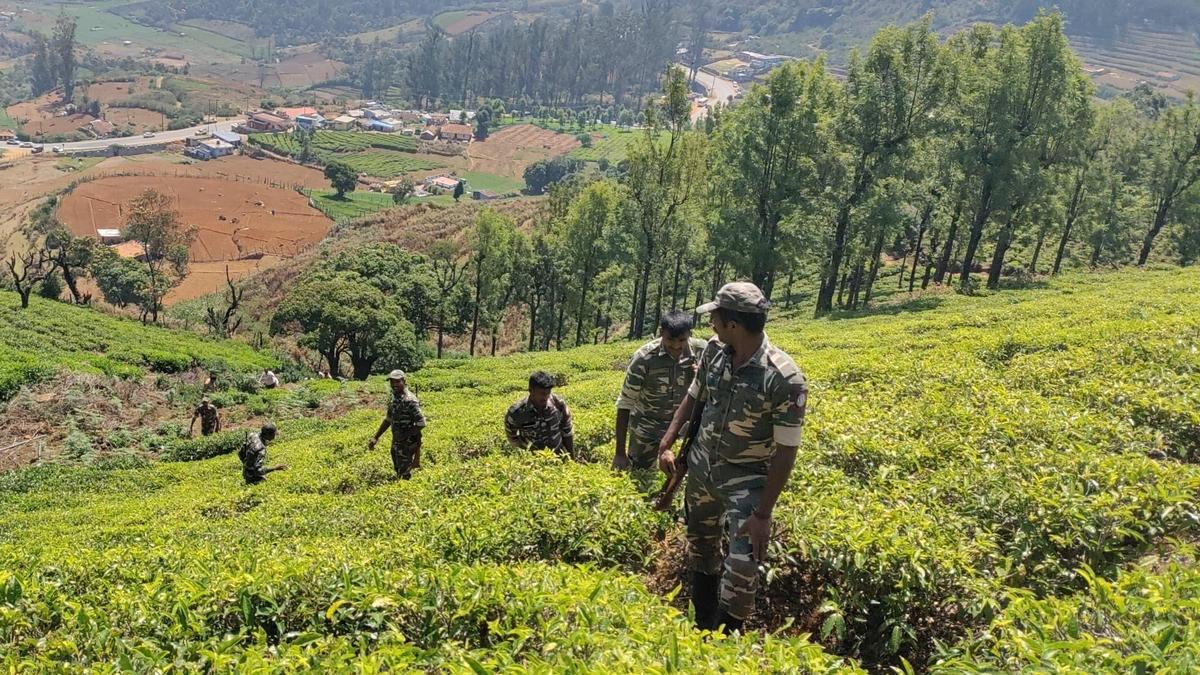
The Forest Department is under pressure to find the animal quickly. By using camera traps, they hope to get a clear image of the predator. This will help them decide if the animal needs to be captured or moved to a different area. The situation has also led to increased patrols by forest guards to keep the community safe and prevent further attacks.
Key Details
What Happened
A woman was recently attacked and killed by a wild animal while she was near a forested area. Because the attack happened quickly and often in thick bushes, witnesses could not clearly see what kind of animal it was. To solve this mystery, the Forest Department has set up a network of motion-sensing cameras. These cameras take photos automatically whenever an animal walks past them, even in total darkness.
Important Numbers and Facts
The Nilgiris region has seen a few tragic events recently. In 2025, a tiger was blamed for the death of a man from the Toda adivasi community in the Governor Shola area. More recently, in early 2026, another man from the same community was killed in Sholur. Because of these past events, many people believed the same tiger had returned. However, forest experts have looked at the evidence and believe a different animal is responsible for this latest death.
Background and Context
The Nilgiris is a large mountain range known for its thick forests and many wild animals. It is a place where tigers, leopards, and elephants live. Over the years, more people have started living and working near these forest borders. This often leads to "human-wildlife conflict," which is a term used when wild animals and humans come into contact in ways that cause harm.
The Toda people are an indigenous group that has lived in these mountains for a very long time. They often live in areas that are very close to the natural homes of tigers. Because they raise cattle and spend a lot of time outdoors, they are at a higher risk of meeting wild animals. The Forest Department tries to balance the need to protect endangered animals like tigers with the need to keep people safe.
Public or Industry Reaction
The local community is feeling very tense. After the news of the woman's death spread, many villagers asked for more protection. Some people have expressed anger, feeling that the authorities are not doing enough to catch dangerous animals. There were also many rumors spreading on social media that a "man-eating tiger" was on the loose.
In response, forest officials held meetings to talk to the public. They explained that they are using science and technology, like the camera traps, to handle the situation. They asked people to stay calm and avoid going into the forest alone. The department is also working with local leaders to make sure everyone knows the safety rules.
What This Means Going Forward
The next few days are very important. The Forest Department will check the camera traps every day to see if they have captured any photos. If the photos show a specific tiger or leopard that is known to be dangerous, the government may give permission to trap the animal. They might use a cage with bait or a tranquilizer gun to catch it safely.
Once the animal is identified, experts will look at its health and age. Sometimes, old or injured animals attack humans because they can no longer hunt their usual prey. If the animal is healthy, it might just be moved deep into the forest, far away from villages. The department will also continue to monitor the area to make sure no other animals are coming too close to human homes.
Final Take
Protecting both human lives and wildlife is a difficult task in the Nilgiris. While the loss of life is a tragedy, using technology like camera traps is a smart way to find the right animal without hurting others. The focus now is on identifying the predator quickly to bring peace back to the community and ensure that people can feel safe in their own homes again.
Frequently Asked Questions
What is a camera trap?
A camera trap is a special camera that stays in the forest. It has a sensor that detects heat or movement. When an animal walks in front of it, the camera automatically takes a picture or a video.
Is the same tiger responsible for all the deaths?
No, forest officials have stated that the animal involved in the most recent attack is likely not the same tiger that killed people in 2025 and early 2026. They use stripe patterns on tigers to tell them apart.
How can people stay safe in the Nilgiris?
Officials advise people to avoid walking alone near forest edges, especially at dawn or dusk. It is also important to keep cattle in secure sheds and to report any animal sightings to the Forest Department immediately.



