
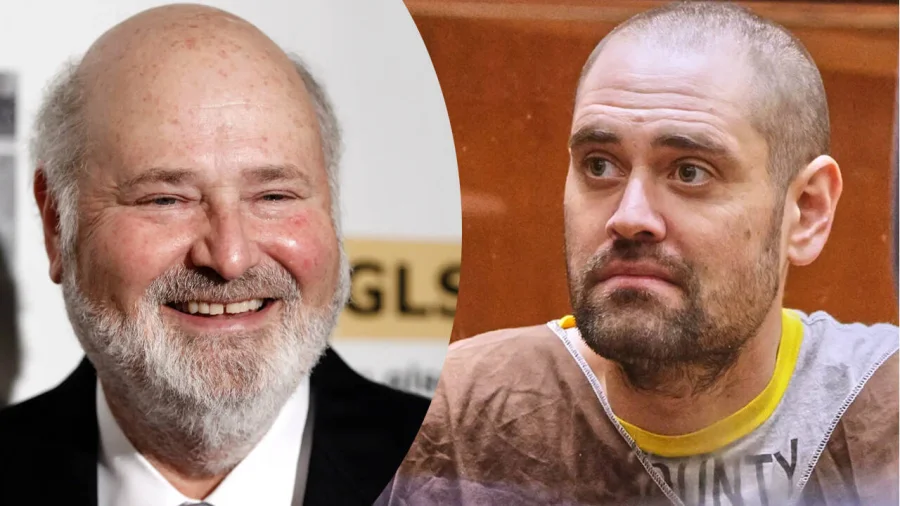
A murder case that had been building quietly now carries a formal charge — and an allegation that could make it far more serious. A Los Angeles County grand jury has indicted Nick Reiner for the murder of his parents, and prosecutors attached a claim that he was "lying in wait" before the attack. The decision pushes the case onto a faster, more guarded path toward trial.
What the 'lying in wait' allegation could mean
In California criminal law, lying in wait is a special circumstance allegation. It suggests the accused hid or waited in a position to ambush the victim before striking. If a jury finds it true, it can significantly raise the stakes of the case — including at the sentencing stage.
For now, it remains an allegation. Reiner has not yet had the opportunity to respond in court, and the defence is expected to scrutinize how prosecutors frame the claim.
Why the grand jury route changes the legal path
The use of a grand jury is a strategic move by prosecutors. Evidence is presented to a panel of citizens in secret, and the panel's indictment allows the case to skip a preliminary hearing — the stage where the defence normally gets an early look at the prosecution's evidence.
By bypassing that step, the case moves directly toward trial. The secrecy of grand jury proceedings also keeps the investigation tightly under wraps, limiting what becomes public before the trial begins.
The trust fund request: financing a defence
Alongside the criminal proceedings, Reiner is seeking unpaid trust funds to help fund his legal defence, according to the story. The request introduces a financial dimension to an already complex case — and raises practical questions about how the accused will secure representation for what could be a lengthy trial.
What remains unknown at this stage
Public information is limited. The circumstances of the alleged attack, the timeline, and the defence's formal response have not been detailed in available reporting. The grand jury's confidentiality rules mean many case details may stay sealed until court proceedings unfold.
What happens next in the case
With the indictment returned, the case is expected to move toward arraignment and pre-trial proceedings. Legal motions — including challenges to the lying-in-wait allegation — could shape how long the process takes. Both sides now begin preparing for what is likely to be a closely watched trial.
Confirmed facts vs. what remains unclear
Reported so far: the grand jury indictment exists, it includes a "lying in wait" allegation, and Reiner is seeking unpaid trust funds for his defence.
Still unclear: the full details of the alleged attack, the defence's legal strategy, and how the court will handle the special-circumstance allegation. Every statement about Reiner's conduct remains an accusation until proven in court.
A balanced view: the weight of an accusation
An indictment is a formal accusation, not a conviction. The lying-in-wait allegation gives prosecutors a powerful tool, but it also carries a high evidentiary bar. California courts define the doctrine strictly, and the defence will likely argue the facts do not meet that standard.
Until a jury rules, Reiner is entitled to the presumption of innocence — a point both legal observers and the defence are likely to emphasise as the case moves forward.
Why this case is drawing attention
This prosecution sits at the intersection of family tragedy and high-stakes criminal law. The central question raised by the indictment is whether the alleged attack was planned and deliberate. That question — more than any other — is likely to define the trial and its outcome.
Our Take
The decision to use a grand jury signals that prosecutors believe they have a strong evidentiary foundation. The lying-in-wait allegation, if it holds, transforms this from a straightforward murder prosecution into a case about premeditation and intent. For the public, the grand jury's secrecy means patience will be required — the full picture may only emerge when the case reaches open court.
Frequently Asked Questions
What does "lying in wait" mean in a murder case?
Lying in wait is a special circumstance allegation in California murder law. It generally means the accused hid or waited in a position to ambush the victim before the killing. If proven, it can make the case eligible for more severe consequences.
Why did prosecutors use a grand jury instead of a preliminary hearing?
A grand jury lets prosecutors present evidence secretly to a panel of citizens. If the panel finds sufficient evidence, it returns an indictment and the case proceeds directly to trial — bypassing the preliminary hearing where the defence would normally get early access to evidence.
Can Nick Reiner challenge the indictment?
Yes. The defence can file motions challenging the indictment, including arguing that the evidence presented to the grand jury was insufficient. The lying-in-wait allegation can also be contested before or during the trial.
What is the significance of the trust fund request?
Reiner is seeking unpaid trust funds to help pay for his defence, according to the report. Trust fund disputes in high-profile cases can become separate legal battles, but they can also affect how quickly and how thoroughly a defendant can prepare for trial.



