
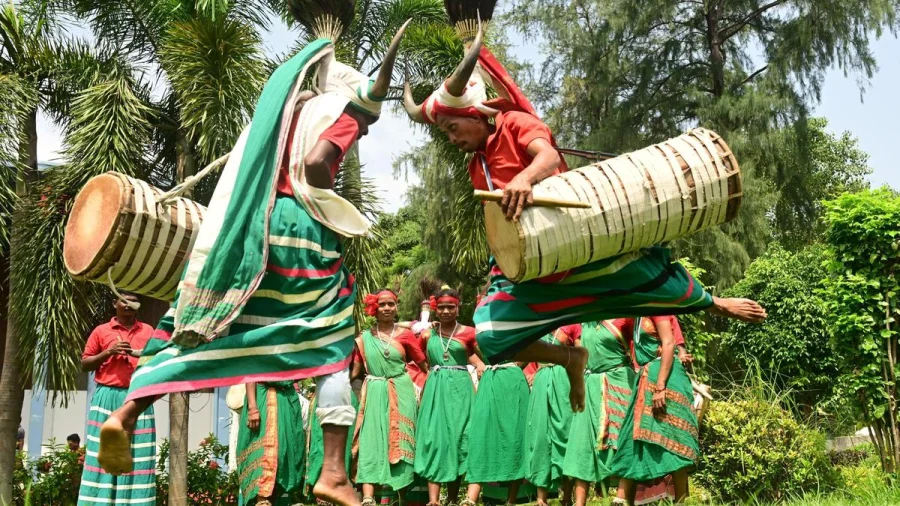
A rare public pledge has put the spotlight back on India's tribal communities: the government, an official said, is committed to preserving tribal heritage even as it pushes forward on education and employment. The statement carries weight because it names a tension tribal families have watched play out for generations — the fear that progress may cost identity.
A pledge that joins culture with opportunity
The official's message was direct: heritage preservation will not be treated as a block to development, nor will education and jobs be pursued at the cost of tribal tradition. The two goals are being positioned as complementary.
What that means in practice — scholarships, skill training, language safeguards, craft support — was not detailed in the available statement. The headline commitment, however, is significant on its own.
Why the heritage-and-jobs balance matters
Tribal communities across India have long reported a painful choice: leave home for education or work, or stay and hold on to traditional life. The official's words suggest the state sees a path that does not force that choice.
For young tribal students, the implication is clear — their cultural background will not have to be abandoned to compete in a modern job market.
What is known about the statement so far
The available information is thin. No date, location or specific scheme was attached to the official's remarks in the material surveyed.
That leaves the announcement at the level of intent: a policy direction, not yet a rollout plan.
Who the pledge affects most
The direct beneficiaries would be tribal youth — students entering higher education, first-generation job seekers, and families in remote block areas where access to classrooms and employers is limited.
Tribal women and artisans, often the custodians of craft heritage, also stand to gain if heritage promotion is linked to income generation.
The official line — and the questions it leaves open
The statement carries the authority of the government, but without a named official or documentary release, it remains a reported claim rather than a formal policy announcement.
This is not to doubt the intention, but to mark the difference between a commitment and a program.
What could shape the actual rollout
If the pledge translates into action, three areas would matter most — school curricula that include tribal languages and history, recruitment pathways that recognise tribal skills, and safeguards against land pressures from industrial projects.
Existing skill missions and education schemes already operate in tribal regions; the challenge would be integrating heritage preservation into them deliberately.
What is verified and what is still open in the tribal pledge
Verified: an official statement that the government will preserve tribal heritage while promoting education and jobs.
Still unclear: which ministry issued the statement, which programs are planned, what budget will be allocated, and how success will be measured.
Benefits and risks of a dual focus
Supporters would argue the pledge is overdue — that tribal identity and modern opportunity should never be positioned as opposites.
Critics may ask harder questions: why such assurances keep coming without visible timelines, and what happens when heritage protection meets mining, infrastructure or land acquisition pressures.
How the broader policy conversation connects
The statement arrives amid wider public debates in India over inclusive development — how economic progress reaches the margins without erasing what makes communities distinct.
Several state governments have already experimented with tribal education models and craft revival programs, making this a national conversation rather than an isolated one.
What tribal students, parents and job-seekers can do now
For families, the immediate takeaway is to watch for concrete programs — scholarship notices, heritage-linked skill courses, and job fairs in tribal regions.
Until official documents are released, the official's words should be read as a directional signal, not a finalised scheme.
What to watch next
The next meaningful step will be a formal release — a ministry statement, policy document, or budget line clarifying how heritage and employment goals will be financed and measured.
Until then, the pledge remains a promise awaiting paperwork.
Our Take
The value of this statement is not that it is new; it is that it names an anxiety many tribal families live with daily. The risk is that it stays at the level of words.
The real test will be in the details — whether tribal children see their own history in textbooks, their own skills in job markets, and their own languages in classrooms. The official has set the direction. The country will now wait to see the distance covered.
Frequently Asked Questions
What did the government official say about tribal heritage and jobs?
The official said the government will preserve tribal heritage while also promoting education and employment opportunities for tribal communities.
Why is this pledge about tribal heritage significant?
It indicates that cultural preservation will not be ignored in the push for education and jobs — a concern that tribal communities have raised for years.
What details have been announced so far about this tribal policy?
No specific schemes, budgets or timelines have been released. The available information is limited to the official's statement of intent.
What should tribal students and job seekers do now?
They should follow official education and skill-development channels for concrete notifications on scholarships, training programs and job opportunities in the coming months.

