
Summary
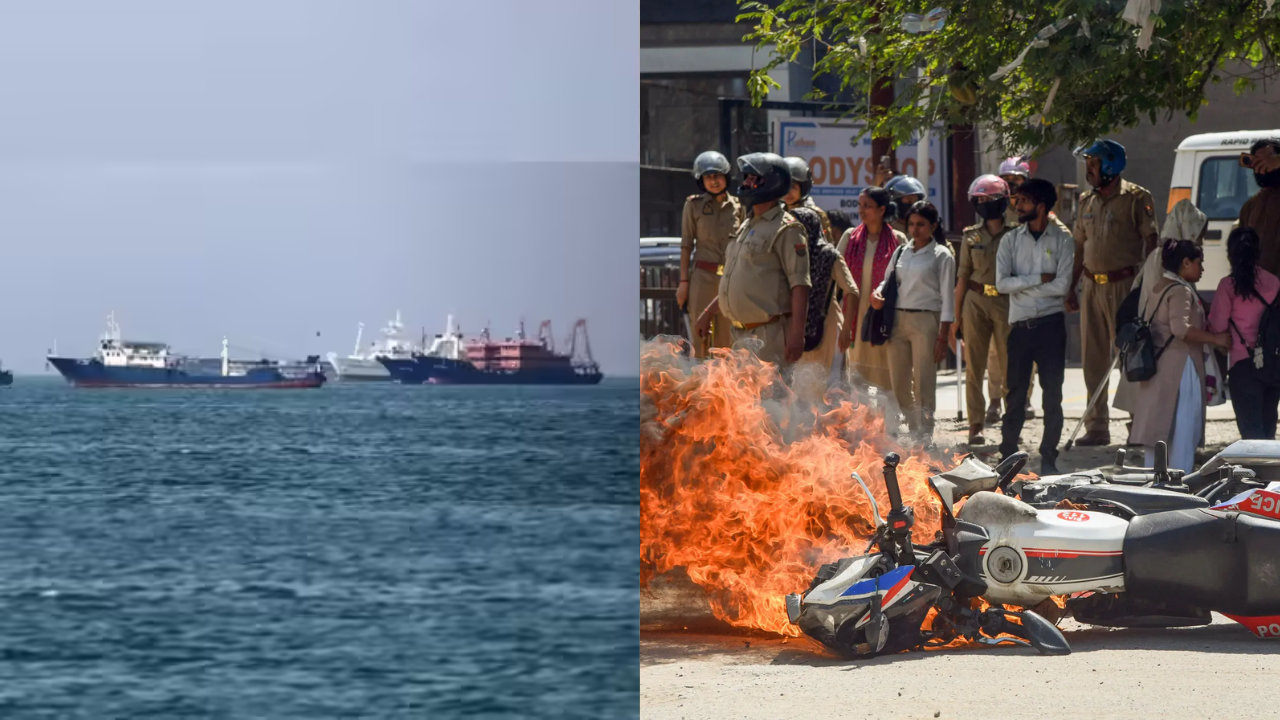
Global tensions are rising as the United States military moves warships toward the Strait of Hormuz. This strategic move aims to create a blockade in one of the world's most important oil shipping routes. At the same time, local unrest has hit the industrial city of Noida in India. Workers there have started violent protests to demand better pay and fair treatment. These two events show a world dealing with both high-level international conflict and local economic struggles.
Main Impact
The decision by the US to send warships to the Strait of Hormuz could have a massive effect on the global economy. Since a large portion of the world's oil passes through this narrow waterway, any disruption can cause fuel prices to jump quickly. This affects everything from the cost of driving a car to the price of flying and shipping goods. In India, the protests in Noida have shut down factories and blocked major roads. This creates a direct hit to the manufacturing sector and causes safety concerns for residents and business owners in the region.
Key Details
What Happened
In the Middle East, the US Navy has positioned several high-powered warships near the entrance of the Persian Gulf. Reports indicate that these ships are prepared to stop or redirect traffic through the Strait of Hormuz. This action is seen as a way to put pressure on regional rivals and secure maritime trade routes that have faced threats recently. The blockade is a serious step that usually happens only during times of extreme political disagreement or war.
In Noida, the situation turned chaotic when hundreds of factory workers gathered to voice their anger. The workers claim that their wages have not kept up with the rising cost of living. What started as a peaceful gathering quickly turned into a clash with law enforcement. Protesters damaged property, broke windows, and set fire to vehicles. Police had to use force to try and bring the situation under control, leading to several injuries on both sides.
Important Numbers and Facts
The Strait of Hormuz is responsible for the passage of about 20% of the world's total oil consumption every day. Even a temporary closure can lead to a 10% to 20% increase in global oil prices within a few days. In Noida, thousands of workers from various industrial sectors joined the strike. Local authorities have deployed over 500 police officers to the protest sites to prevent further damage. Economic experts estimate that the shutdown of these factories could cost the local economy millions of dollars for every day the strike continues.
Background and Context
The Strait of Hormuz has been a point of conflict for decades. It is a narrow passage between Oman and Iran that connects the Persian Gulf with the rest of the world. Because it is so narrow, it is easy to block, making it a powerful tool for any military. The US often maintains a presence there to ensure that oil continues to flow to international markets. When tensions rise between the US and countries in the Middle East, this area becomes the center of the struggle.
Noida is a major hub for electronics and garment manufacturing in India. Many global brands have their products made in the factories located there. However, workers often complain about low pay, long hours, and poor working conditions. As inflation rises in India, many families find it hard to buy basic goods like food and fuel. This economic pressure often leads to strikes. When companies do not listen to worker demands, these strikes can sometimes turn violent, as seen in the recent events.
Public or Industry Reaction
Energy analysts are warning that the US blockade could lead to a "price shock" at gas stations around the world. Shipping companies are already looking for different routes, but there are few easy alternatives to the Strait of Hormuz. Many businesses are calling for a peaceful solution to avoid a global recession.
In India, business leaders in Noida have expressed deep concern over the violence. They argue that while workers have a right to ask for better pay, destroying property hurts the reputation of the city as a safe place for investment. On the other hand, labor unions say that the violence is a sign of desperation. They believe that if companies paid a living wage, these protests would never happen.
What This Means Going Forward
The next few days will be critical for both situations. If the US maintains the blockade, we may see a formal response from other world powers, which could lead to a larger military conflict. Diplomatic talks are likely happening behind the scenes to try and open the waterway again. For the global consumer, this means keeping an eye on energy costs.
In Noida, the local government will likely try to mediate between the factory owners and the workers. There is a strong need for a new wage agreement to prevent more violence. If a deal is not reached soon, more factories might close, and workers could face long-term unemployment. The government may also increase security in industrial zones to prevent future riots.
Final Take
These events show how connected the world is today. A military move in the Middle East can change the price of goods in a small town thousands of miles away. Similarly, the struggle of workers in an industrial city like Noida can affect the supply chains of global brands. Both situations require careful management and a focus on long-term stability rather than just short-term force. Solving these issues will take a mix of strong leadership and a willingness to listen to the needs of the people involved.
Frequently Asked Questions
Why is the Strait of Hormuz so important?
It is the main route for oil coming out of the Middle East. Almost a fifth of the world's oil passes through this narrow point, making it vital for the global economy.
What are the workers in Noida demanding?
The workers are primarily asking for higher wages to deal with the rising cost of living. They are also seeking better working conditions and more job security.
How will the US blockade affect gas prices?
A blockade limits the supply of oil available to the world. When supply goes down and demand stays the same, prices usually go up. This could lead to more expensive fuel for cars and heating.



