
Summary
The Indian government has introduced strict new rules to stop commercial vehicles from carrying more weight than they are allowed to. Under these new regulations, trucks and heavy vehicles found to be overloaded will have to pay toll fees that are up to four times the standard rate. Furthermore, every instance of overloading must now be reported to the national Vahan database. This move is designed to improve road safety and reduce the heavy costs of repairing damaged highways.
Main Impact
The primary impact of this decision is a significant increase in the cost of breaking transport laws. By raising the penalty to four times the normal toll, the government is making it financially difficult for transport companies to ignore weight limits. This change is expected to lead to better road conditions across the country. When trucks carry too much weight, they put extreme pressure on the asphalt, leading to cracks, potholes, and structural failure. By forcing vehicles to stick to their weight limits, the government hopes to extend the life of national highways and save billions in maintenance expenses.
Key Details
What Happened
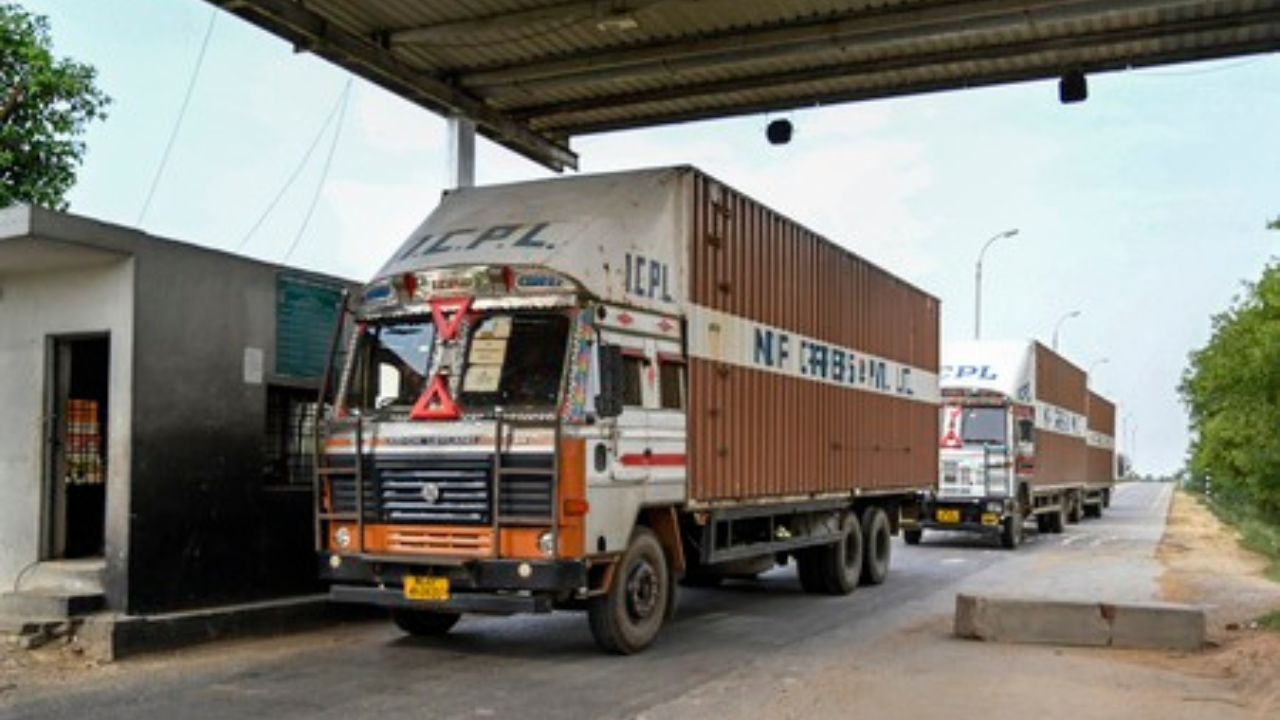
The Ministry of Road Transport and Highways has updated the rules regarding how tolls are collected and how weight is monitored. Toll plazas are now required to use advanced weighing systems to check every commercial vehicle that passes through. If the system detects that a vehicle is carrying more than its registered capacity, the toll software will automatically calculate a much higher fee. This process removes the need for manual checks and reduces the chance of bribery or human error at toll booths.
Another major change is the mandatory integration with the Vahan system. Vahan is a central database that holds records for all vehicles in India. Now, whenever a vehicle is caught overloading at a toll plaza, that information is sent directly to the database. This creates a digital "black mark" on the vehicle’s record, which can be seen by transport authorities across the country.
Important Numbers and Facts
The most important figure in this update is the four-fold increase in toll charges. Previously, penalties were often lower or inconsistently applied. Now, the rule is clear: if you are over the limit, you pay 4x the standard price. The data collection is also real-time, meaning there is no delay between the violation and the record being updated in the national system. These rules apply to all national highways and expressways managed by the National Highways Authority of India (NHAI).
Background and Context
For many years, overloading has been a major problem in the Indian transport industry. Many truck owners try to carry as much cargo as possible in a single trip to save on fuel and driver costs. However, this practice has serious consequences. Overloaded trucks are much harder to control; they require a longer distance to stop and are more likely to have tire bursts or mechanical failures. This makes them a major cause of accidents on high-speed roads.
Beyond safety, the economic cost of road damage is massive. Roads that are designed to last for ten years often start falling apart in just three or four years because of the constant stress from heavy loads. The government has spent a lot of money building new expressways, and these new rules are a way to protect that investment. By using technology like Weigh-in-Motion (WIM) sensors, the government can now catch violators without stopping traffic, making the process faster and more efficient.
Public or Industry Reaction
The reaction to this news has been mixed. Road safety experts and daily commuters have praised the move, noting that it will make highways safer and smoother. They argue that strict penalties are the only way to change the culture of overloading. On the other hand, some transport associations have expressed concern. They worry that the high costs might hurt small truck owners who are already struggling with high fuel prices. Some have also raised questions about the accuracy of the weighing machines at toll plazas, fearing that technical glitches could lead to unfair fines.
What This Means Going Forward
In the future, it will be much harder for transport companies to hide violations. Since the data is now linked to the Vahan database, the government can track repeat offenders. This could eventually lead to more severe consequences, such as the cancellation of national permits or the suspension of vehicle registration for those who constantly break the rules. Transport companies will likely need to invest in better fleet management and ensure their drivers are strictly following weight guidelines to avoid these heavy financial losses.
This digital tracking also opens the door for insurance companies to check a vehicle's history. A truck with multiple overloading violations might be seen as a higher risk, leading to more expensive insurance premiums. Overall, the industry is moving toward a system where technology and data are used to enforce the law automatically.
Final Take
This new policy is a clear sign that the government is prioritizing long-term infrastructure health over short-term transport profits. By linking toll plazas directly to the national vehicle registry, India is using technology to solve a problem that manual policing could not fix. While the high costs may be a burden for some, the result should be safer roads, fewer accidents, and highways that stay in good condition for much longer. It is a necessary step toward a more professional and law-abiding transport sector.
Frequently Asked Questions
How much more will overloaded vehicles have to pay?
Vehicles that exceed their weight limit will now have to pay up to four times the standard toll fee at highway plazas.
What is the Vahan database?
Vahan is India's national registry for all vehicles. It stores details like ownership, fitness certificates, and now, records of overloading violations.
How is the weight of the vehicle checked?
Toll plazas use Weigh-in-Motion (WIM) technology, which consists of sensors built into the road that can measure a vehicle's weight as it drives over them.



