Summary
Iran is currently at a critical turning point as a fragile ceasefire holds the region together. After a period of intense military tension, diplomatic efforts have moved to the center stage to prevent a return to open war. People across Iran are now watching closely to see if a new agreement with the United States is possible. This moment of quiet is filled with uncertainty, as the future of the country depends on whether leaders can turn this temporary pause into a lasting peace deal.
Main Impact
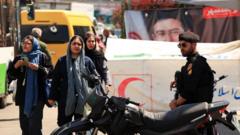
The most immediate impact of this ceasefire is a sense of cautious relief mixed with deep anxiety. For the first time in months, the immediate threat of large-scale bombing or ground conflict has faded, allowing daily life to resume in a limited way. However, the shadow of war has not fully disappeared. The economy remains under heavy pressure, and the success of these diplomatic talks will determine if sanctions are lifted or if the country faces further isolation. If these talks fail, the risk of a much larger conflict returning is very high.
Key Details
What Happened
BBC Chief International Correspondent Lyse Doucet has been reporting from the ground in Iran, capturing the mood of a nation waiting for news. Following a series of military exchanges that threatened to pull the entire region into a major war, a ceasefire was reached. This pause in fighting was designed to give diplomats time to talk. Currently, officials from various countries are working behind the scenes to see if the United States and Iran can find common ground. The goal is to create a framework that prevents future attacks and addresses long-standing disagreements over security and nuclear programs.
Important Numbers and Facts
The current ceasefire has been in place for several weeks, but it is described by many as "paper-thin." Diplomatic sources suggest that multiple rounds of indirect talks have already occurred in neutral locations. Economic data shows that Iran’s currency has been highly unstable, fluctuating every time a new rumor about a US deal surfaces. Millions of people are affected by these shifts, as the cost of basic goods like food and medicine is tied to the success of international diplomacy. Reports indicate that while military forces have stepped back, they remain on high alert along the borders.
Background and Context
To understand why this matters, it is important to look at the long history between Iran and the United States. For decades, the two nations have struggled with trust. Previous deals have been made and then broken, leading to a cycle of sanctions and military threats. In recent years, this tension reached a breaking point, with both sides engaging in actions that brought them to the edge of a full-scale war. This topic is vital because Iran sits in a part of the world that is essential for global energy supplies. Any major conflict there would not only hurt the local people but would also cause gas prices and shipping costs to rise all over the world.
Public or Industry Reaction
Inside Iran, the reaction is divided. Many young people and business owners are desperate for a deal. They want the economy to open up so they can find jobs and trade with the rest of the world. They see a deal with the US as the only way to end the high inflation that has made life difficult. On the other hand, some political groups remain very suspicious. They argue that the United States cannot be trusted to keep its word and that Iran should not give up its military strength. Internationally, oil markets have remained nervous, with prices shifting based on the latest headlines from Tehran and Washington.
What This Means Going Forward
The next few months will be the most important. If the ceasefire holds, it will provide the space needed for a formal agreement to be written. This would likely involve Iran limiting certain military or nuclear activities in exchange for the US removing some economic sanctions. However, the risks are high. A single mistake or a small attack by a group not following the ceasefire could ruin the entire process. If the talks fail, both sides may feel that diplomacy is no longer an option, which could lead to a much more dangerous military buildup than we have seen before.
Final Take
The situation in Iran shows that while weapons can stop a fight, only diplomacy can end a war. The people of Iran are caught between a hope for a better future and the fear of more violence. Whether a deal with the US can actually be reached depends on more than just politics; it depends on whether both sides are willing to take a risk on peace after years of anger. For now, the world waits to see if this fragile quiet will lead to a new beginning or just a pause before a bigger storm.
Frequently Asked Questions
Why is the ceasefire described as fragile?
It is called fragile because it is not a permanent peace treaty. It is a temporary stop in fighting that could be broken at any time if either side feels threatened or if diplomatic talks stop moving forward.
What does Iran want from a deal with the US?
Iran primarily wants the removal of economic sanctions. These sanctions make it hard for the country to sell oil and buy necessary goods, which has caused a lot of financial pain for its citizens.
What is the main goal of the current diplomatic efforts?
The main goal is to prevent a full-scale war. Diplomats are trying to find a way for both countries to agree on security rules that would make the region more stable and prevent future military clashes.