Summary
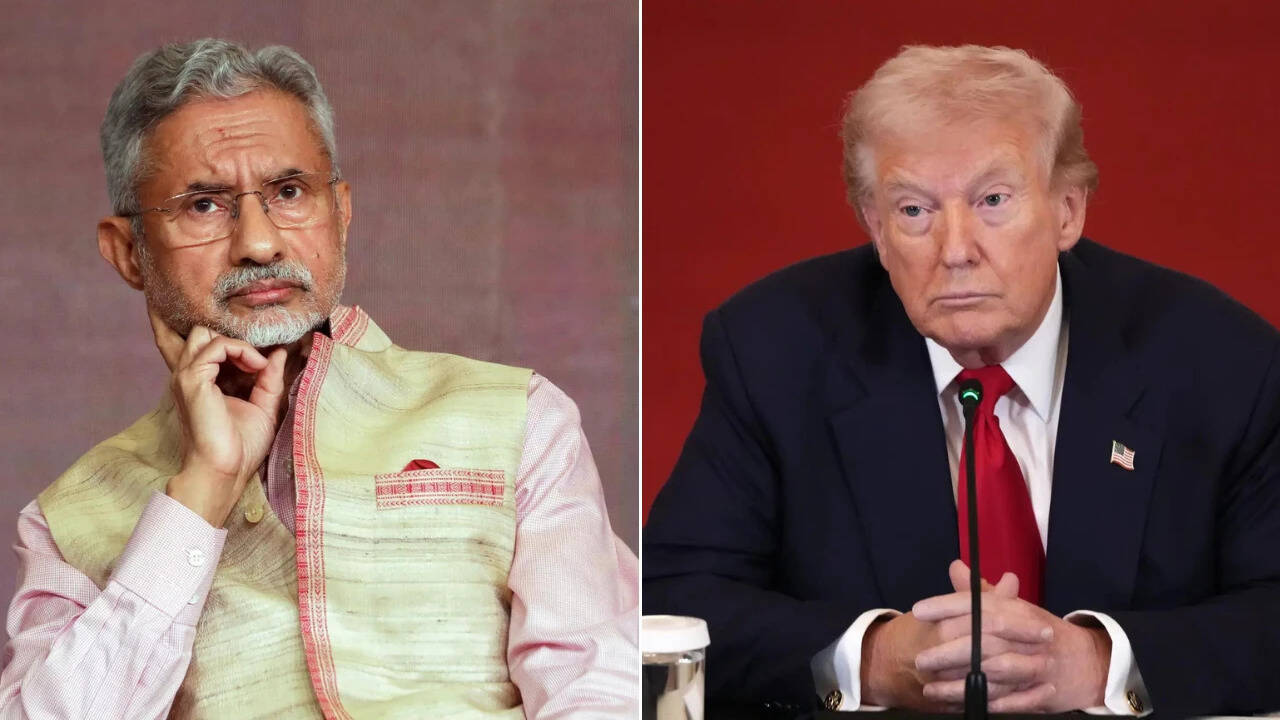
India’s External Affairs Minister, S. Jaishankar, recently shared updates regarding an Iranian ship that sank in the Indian Ocean. This event highlights India's growing role as a guardian of sea routes in the region. At the same time, new reports explain why the United States has allowed India to continue buying oil from Russia despite global tensions. These two events show how India is managing its safety at sea and its economic needs through careful diplomacy.
Main Impact
The main impact of these developments is the strengthening of India’s position on the global stage. By helping with maritime emergencies, India proves it is a reliable partner in the Indian Ocean. Meanwhile, the agreement regarding Russian oil shows that the U.S. values global market stability over strict punishment. This balance allows India to keep its energy costs low while maintaining a strong relationship with Western powers. It also prevents a massive spike in global oil prices that would hurt many countries.
Key Details
What Happened
An Iranian cargo vessel recently faced a major emergency and sank in the waters of the Indian Ocean. The Indian Navy and maritime authorities monitored the situation closely to ensure the safety of the crew and to prevent environmental damage. Minister Jaishankar pointed out that India is often the first country to respond when ships are in trouble in these waters. This incident is part of a larger pattern where India acts as a "first responder" for its neighbors and trade partners.
In a separate but related update, U.S. officials clarified their stance on India’s oil trade. Since the conflict in Ukraine began, many Western nations have tried to limit Russia's income. However, the U.S. has not stopped India from buying Russian crude oil. The reason is simple: if India stopped buying this oil, the world’s supply would drop, and prices would go up for everyone. The U.S. prefers that India buys the oil at a lower price, which keeps the market steady while still limiting the total profit Russia makes.
Important Numbers and Facts
India is one of the world’s largest consumers of energy, importing more than 80% of its oil. Since 2022, Russia has become one of India’s top suppliers. Reports show that by buying Russian oil at a discount, India has saved billions of dollars. On the maritime side, the Indian Navy has increased its presence in the Indian Ocean, deploying more ships to protect trade routes from piracy and accidents. These routes carry billions of dollars worth of goods every year, making their safety a top priority for the government.
Background and Context
To understand why this matters, we have to look at how the world has changed in the last few years. The war in Ukraine led to many sanctions against Russia. Sanctions are rules that stop countries from trading with a specific nation to punish it. The U.S. and Europe wanted to cut off Russia’s money. However, India has always maintained a policy of "strategic autonomy." This means India makes choices based on what is best for its own people rather than following the orders of other big powers.
Energy is a huge part of this. If oil prices rise too much in India, everything from food to transport becomes more expensive. By negotiating with both the U.S. and Russia, India has managed to keep its economy growing. At the same time, the Indian Ocean has become a busy area for competition. With more ships moving through these waters, accidents like the sinking of the Iranian vessel are more likely to happen, requiring a strong local power to step in and help.
Public or Industry Reaction
Energy experts have praised India’s ability to navigate these difficult waters. Many believe that India’s actions have actually helped the global economy stay away from a major recession. Within India, the government’s focus on maritime safety is seen as a way to build trust with other nations in the Global South. While some critics in the West initially questioned India’s oil purchases, the tone has changed. Most now recognize that India’s role as a middleman is necessary for keeping the global energy supply flowing smoothly.
What This Means Going Forward
Looking ahead, India will likely continue to expand its navy to cover more ground in the Indian Ocean. This will involve more cooperation with countries like Iran, the Maldives, and Sri Lanka. On the trade front, the U.S. and India are expected to keep talking about oil price caps. As long as India stays within certain price limits, the U.S. is unlikely to interfere. This creates a stable path for India to grow its economy while avoiding major diplomatic fights with its allies in the West.
Final Take
India is proving that it can be a leader in both security and economics. By saving ships at sea and securing affordable energy at home, the country is looking out for its national interests while helping the rest of the world stay stable. This practical approach to politics and trade is likely to define India’s role in the coming years.
Frequently Asked Questions
Why did the Iranian ship sink?
The ship faced technical issues and rough conditions in the Indian Ocean. The Indian Navy monitored the situation to provide help and ensure the safety of the maritime route.
Why does the U.S. allow India to buy Russian oil?
The U.S. wants to keep the global oil supply high so that prices do not skyrocket. By letting India buy Russian oil at a lower price, the market stays stable while Russia's total earnings are still reduced.
How does India benefit from these events?
India benefits by saving money on energy costs and by showing the world that it is a responsible power capable of maintaining safety in one of the world's most important oceans.