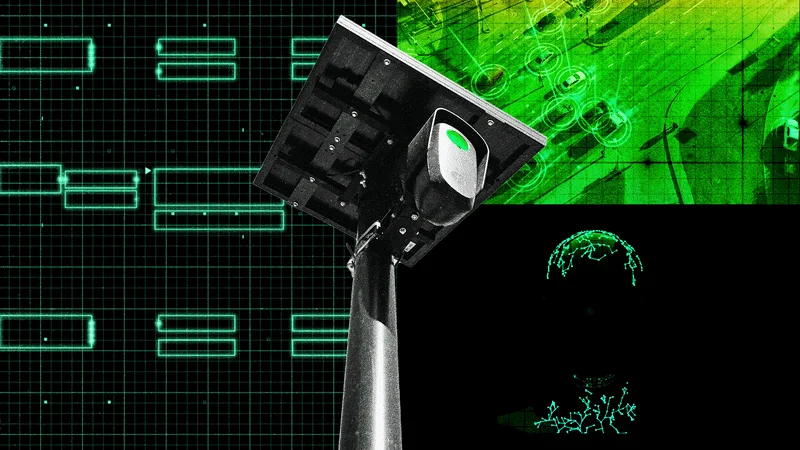
That camera on the pole may have stopped being just a license-plate reader long before anyone noticed. WIRED says it has obtained and reconstructed the code behind Flock's next-generation AI surveillance system — a tool already running in some police departments — and the findings point to capabilities that reach far beyond automated plate recognition.
What WIRED's Code Reconstruction Actually Found
According to WIRED's investigation, Flock's next-generation AI system is not confined to reading license plates. The publication says it reconstructed the code to verify what the technology really does, rather than relying on the company's own descriptions.
What is clear from the story's summary: the new AI "goes much further than tracking license plates," and it is not a future concept. The report states it is already operational with some police departments.
Why a Camera That Does More Changes the Privacy Calculus
Flock's existing surveillance cameras had already sparked outrage. Communities across the United States have questioned how a private company's expanding camera network feeds vehicle and location data to law enforcement.
If the next-generation system broadens what those cameras can detect, the stakes rise for every person who walks or drives through a Flock-covered area — whether or not they have any connection to a crime.
How the Investigation Came Together
WIRED's approach was direct: get the code. Instead of accepting public statements about what the system does, the publication reconstructed the next-generation AI to see for itself.
That technical groundwork matters because it moves the conversation from marketing language to verified engineering reality — though the full details of the code analysis sit with WIRED's report, which has not been independently reviewed in this context.
Who Is Affected by Flock's Expanded Surveillance AI
Residents in towns and cities where police subscribe to Flock services are the most directly affected. The cameras are typically mounted on poles and public infrastructure, scanning streets as people go about daily life.
Police departments using the tool gain a capability the public may never have explicitly approved. That gap between what communities think the cameras do and what the code appears to enable is exactly the concern WIRED's investigation raises.
What Flock and Police Have Said — and What Remains Unverified
No official response from Flock or the police departments involved is available within the source material for this article. WIRED's longer report may contain company comment, but those details are not part of the confirmed information here.
The claims in this article rest entirely on WIRED's published investigation. Readers should treat the technical specifics as reported findings rather than independently established facts until further confirmation emerges.
The Business Machine Behind the Camera Network
Flock's value to police is tied to its network: every additional camera makes the system more useful to law enforcement, creating a powerful incentive for cities to keep subscribing. This network effect is the company's core strength.
That same growth model is what worries privacy advocates. More cameras in more cities, layered with more AI capability, means surveillance infrastructure expanding without a corresponding public vote.
Benefits vs. Risks: The Balanced View
Supporters of police surveillance tools argue they help solve crimes faster, recover stolen vehicles, and generate leads that save investigative time. Flock's defenders have long framed its cameras as efficient, targeted law-enforcement tools.
Critics counter that expanding from plate reading to broader AI detection erodes the line between targeted investigation and mass surveillance. The outrage WIRED references suggests that concern is already widespread — and the new findings may deepen it.
A Wider Pattern: Policing Is Quietly Becoming an AI Business
Flock is not alone. Police departments across the world are adopting AI-driven analytics, often through private vendors that face less public scrutiny than traditional government procurement.
WIRED's investigation fits a larger pattern: the most consequential decisions about surveillance technology are increasingly being made inside code — not in courtrooms or city council chambers.
What Citizens and Lawmakers Should Watch For
For residents: ask local police whether Flock cameras or similar AI systems are in use, and what the technology is actually capable of. Departments often disclose less than they know.
For lawmakers: the findings underline the need for clear rules on what private surveillance systems can detect, how long data is retained, and who gets to audit the code.
Where Flock's AI Could Go Next
If the reconstructed code reflects Flock's broader roadmap, future public debates may shift from license plates to object detection, behavior analytics, and wider AI interpretation of public spaces. That projection is an inference, not a confirmed finding.
What is already confirmed, per WIRED, is that the next-generation tool is here — and actively used.
Our Take
This story matters because it captures a quiet but profound shift: the public argument over Flock was about license plates, while the technology itself appears to have moved ahead of the debate. When journalists have to reverse-engineer code to learn what a police tool does, accountability has already failed somewhere.
WIRED's reporting deserves the same scrutiny as any major investigation. But if the reconstruction holds, it forces a conversation the public did not ask for — and should not have needed to demand.
Frequently Asked Questions
What is the Flock police AI tool?
Flock is a surveillance technology company whose cameras are installed in many US communities and used by police. According to WIRED's investigation, its next-generation AI system goes beyond the automatic license plate recognition the company is best known for.
What did WIRED find in Flock's code?
WIRED says it obtained and reconstructed the code of Flock's next-generation AI system, confirming it is capable of far more than tracking license plates. The full technical details are reported in WIRED's investigation.
Is Flock's new AI system already being used by police?
According to WIRED, yes. The report states the next-generation AI system is already in use by some police departments — making it a current reality rather than a future product.
Why have Flock's cameras already sparked outrage?
Critics have raised privacy concerns about a private company operating a vast camera network that feeds vehicle and location data to police. WIRED's report adds fresh concern by indicating the technology's capability extends well beyond plate tracking.