Summary
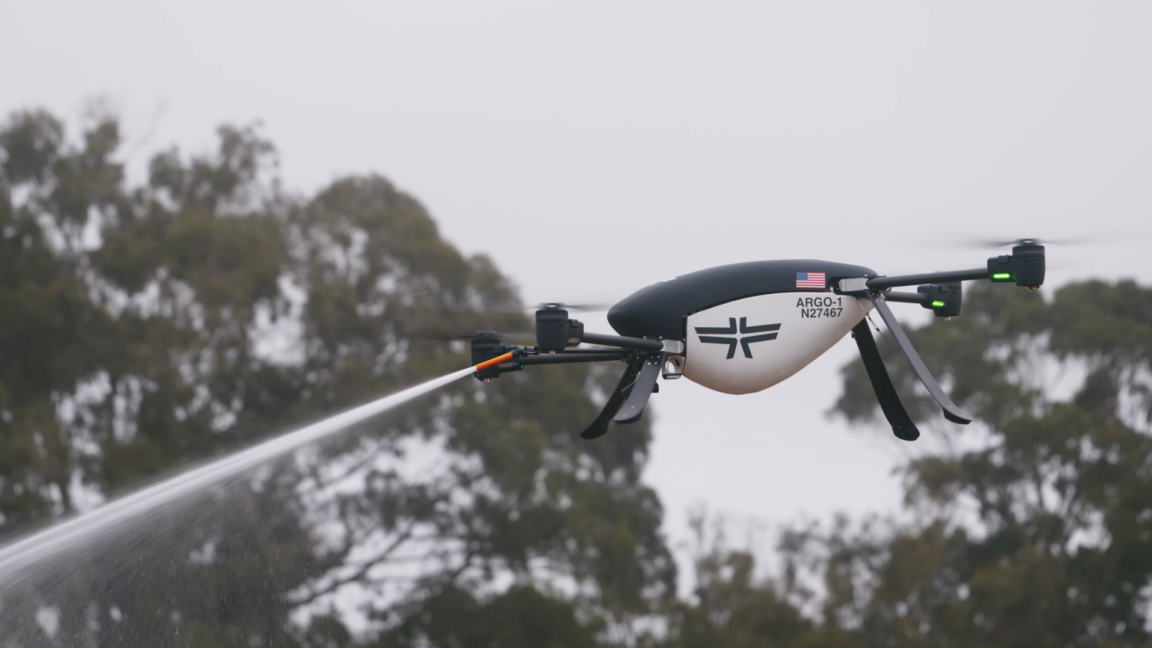
Firefighting drones that can spray water and fire retardants are being tested in California and Alaska this summer. These drones aim to help crews respond faster to small wildfires before they grow out of control. As climate change makes wildfire season longer and more dangerous across the United States, these unmanned aircraft could become a key tool for early fire suppression.
Main Impact
The biggest impact of these drones is their potential to reach small fires quickly. Wildfires often start small but can explode into massive, destructive blazes within hours. By using drones to attack fires early, fire agencies hope to reduce the number of large, costly wildfires that threaten homes, lives, and natural areas. This shift could save billions of dollars in firefighting costs and property damage each year.
Key Details
What Happened
On July 15, the California Department of Forestry and Fire Protection (CAL FIRE) tested five autonomous drones working together. These drones dropped between 500 and 1,000 gallons of foam to suppress a fire during a field demonstration. The test was organized with the help of the nonprofit FireWERX and Seneca, a California company that plans to sell these drones commercially starting in 2026.
Important Numbers and Facts
Most drones are much smaller than crewed aircraft and cannot fly as far. This means they cannot replace large airtankers that drop huge amounts of water on remote wildfires. However, the $11 million XPRIZE competition is pushing companies to develop drones that can respond faster to small fires. The goal is to stop fires before they become destructive.
Background and Context
Wildfire season in the United States has grown longer and more severe due to climate change. Warmer temperatures and drier conditions mean fires can start almost any time of year. Traditional firefighting methods rely on crewed aircraft and ground crews, but these resources can be slow to reach remote areas. Drones offer a faster, cheaper way to scout fires and deliver small amounts of suppressant early on.
Public or Industry Reaction
Fire agencies and companies are cautiously optimistic about drone technology. Many experts agree that drones cannot replace large aircraft for major fires, but they see value in using them for initial attacks. The XPRIZE competition has attracted global attention, with teams racing to build drones that can detect and suppress fires autonomously. Some environmental groups have raised concerns about drones interfering with wildlife, but fire officials say the benefits outweigh the risks.
What This Means Going Forward
If drone tests continue to succeed, fire agencies may begin using them regularly within a few years. This could change how wildfires are fought, especially in remote or hard-to-reach areas. However, challenges remain, including battery life, weather conditions, and airspace regulations. The next step is to scale up the technology and prove it works in real wildfire situations.
Final Take
Firefighting drones are not a magic solution, but they offer a promising new way to fight small fires before they become big disasters. As climate change makes wildfires more common, every tool that helps firefighters respond faster matters. The tests this summer show that drones could soon become a regular part of the firefighting toolkit.
Frequently Asked Questions
Can drones replace large firefighting aircraft?
No, drones are smaller and carry less water or retardant. They are designed to help with early response to small fires, not to replace large airtankers for major wildfires.
How much water can a firefighting drone carry?
In recent tests, five drones working together dropped between 500 and 1,000 gallons of foam. Individual drones carry much less than crewed aircraft, but they can be used in groups.
When will firefighting drones be available for use?
Seneca, the company behind the drones tested by CAL FIRE, plans to make them commercially available starting in 2026. Other companies are also developing similar technology through competitions like the XPRIZE.