
Summary
West Bengal's Leader of Opposition, Suvendu Adhikari, has announced a new direct land purchase policy for the state. The policy aims to prevent conflicts like those seen in Nandigram and Singur by allowing farmers to sell land directly to industries. This move is seen as a major political shift and a direct challenge to the current state government's land acquisition methods.
Main Impact
The announcement directly addresses one of the most sensitive issues in West Bengal's recent history. The land disputes in Nandigram and Singur led to violent protests and political upheaval. Adhikari's proposal promises a transparent process where farmers have the final say. This could reshape how industries set up operations in the state and reduce the risk of future conflicts.
Key Details
What Happened
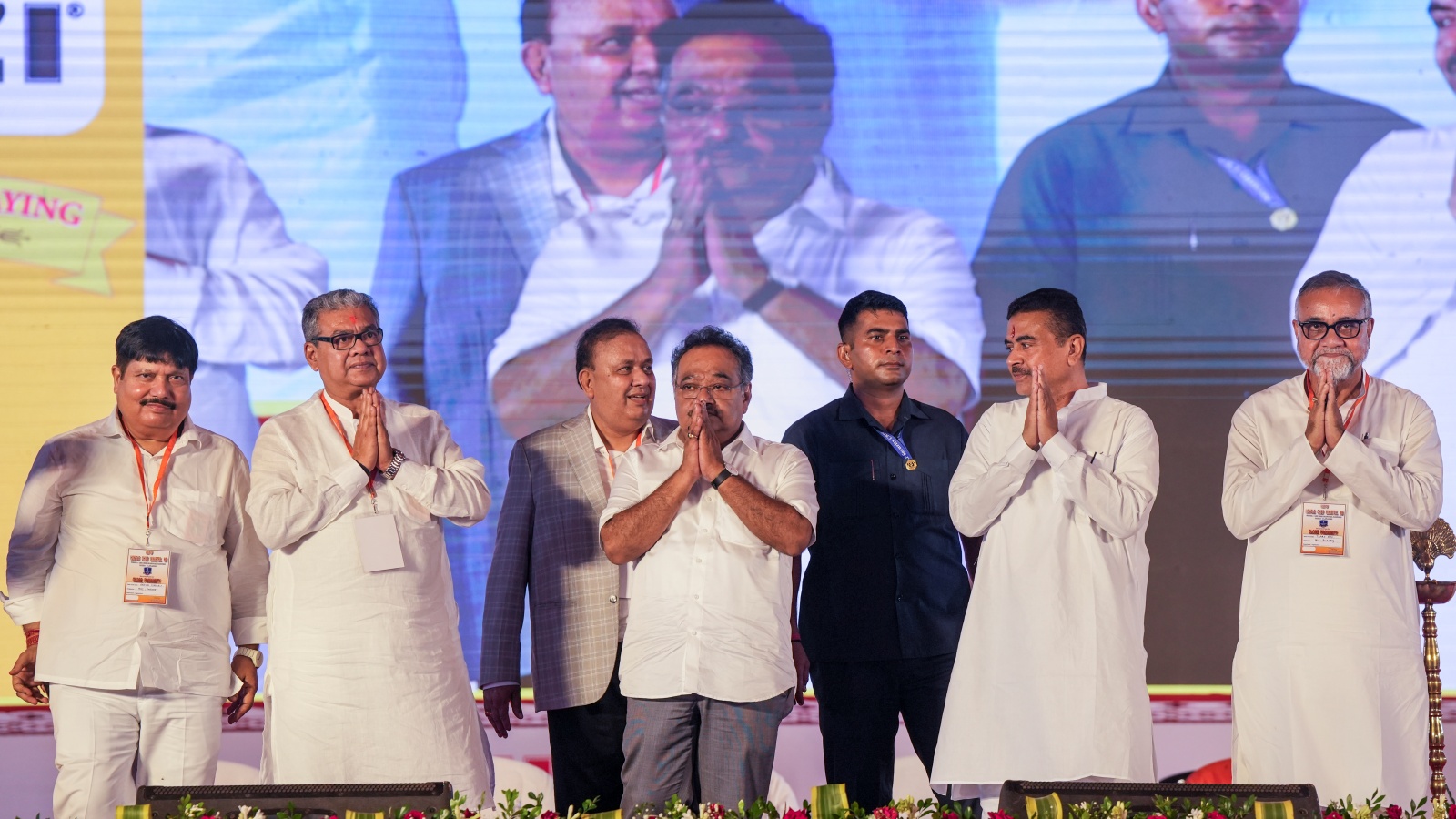
Suvendu Adhikari, a senior leader of the Bharatiya Janata Party (BJP), stated that his party would implement a direct land purchase policy if it comes to power. Under this policy, industries would buy land directly from farmers at a mutually agreed price. The government would only act as a facilitator, not as a middleman. Adhikari made this announcement during a public meeting in the state.
Important Numbers and Facts
The announcement was made on July 12, 2026. Adhikari specifically mentioned the Nandigram and Singur incidents, which occurred between 2006 and 2008. These events involved the forced acquisition of farmland for industrial projects, leading to widespread protests. The new policy aims to avoid such situations by ensuring that no land is taken without the owner's consent.
Background and Context
Land acquisition has been a highly emotional and political issue in West Bengal for nearly two decades. The Singur dispute involved the Tata Motors Nano car plant, while Nandigram was planned for a chemical hub. Both projects faced strong opposition from local farmers and political groups. The violence and political fallout from these events changed the state's political landscape. Many voters still remember these events when choosing their leaders.
Public or Industry Reaction
Industry bodies have welcomed the proposal. They say a clear and fair land policy will make it easier for businesses to invest in West Bengal. Farmers' groups have reacted with caution. They want to see the full details of the policy before supporting it. Political analysts note that this announcement is aimed at winning back rural voters who were affected by the earlier land disputes.
What This Means Going Forward
If implemented, this policy could set a new standard for land acquisition in India. It would give farmers more power and reduce the role of the government in land deals. However, critics point out that direct purchase may lead to higher land prices and make it harder for small industries to afford land. The success of the policy will depend on how well it balances the interests of farmers and industries.
Final Take
Suvendu Adhikari's announcement is a clear attempt to address a painful chapter in West Bengal's history. By promising a farmer-first approach, he is trying to build trust with rural communities. The real test will come if the policy is actually put into practice. For now, it has started an important conversation about how land should be acquired in a fair and peaceful way.
Frequently Asked Questions
What is the direct land purchase policy announced by Suvendu Adhikari?
It is a proposed policy where industries will buy land directly from farmers at a price both sides agree on. The government will only help with the process, not take or buy the land itself.
Why are Nandigram and Singur mentioned in this announcement?
These two places saw major land disputes in the past. Farmers protested against the government taking their land for factories. Adhikari wants to avoid such conflicts by letting farmers decide if they want to sell their land.
How will this policy affect farmers in West Bengal?
Farmers will have more control over their land. They can choose to sell or not sell. They will also negotiate the price directly with the buyer. This could lead to better deals for farmers compared to the old system.



