
Summary
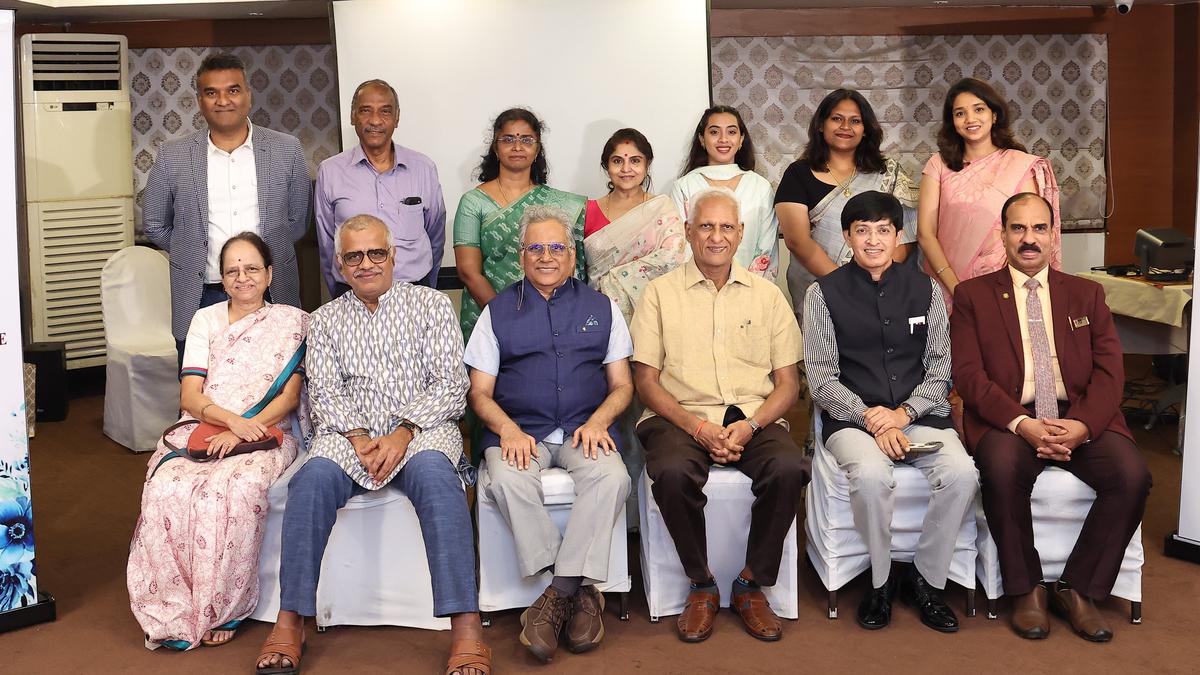
A group of high-level experts recently gathered in Chennai to discuss better ways to prevent suicide. The meeting was organized by the Institute of Applied Therapeutics and took place behind closed doors. This private setting allowed judges, medical doctors, and government officials to speak openly about the challenges they face. By sharing their different perspectives, these leaders hope to create a more effective system for helping people in mental distress.
Main Impact
The biggest impact of this meeting is the cooperation between different professional fields. Usually, doctors focus on medicine, judges focus on the law, and bureaucrats focus on government policy. This event brought them all to the same table. This teamwork is vital because suicide is not just a medical problem; it is also a social and legal issue. When these groups work together, they can build a stronger safety net that catches people before they reach a point of total despair.
Key Details
What Happened
The Institute of Applied Therapeutics hosted a special roundtable discussion in Chennai. Unlike a public conference where people might be careful about what they say, this was a "closed-door" event. The goal was to have a candid exchange of thoughts. This means the participants could talk about what is failing in the current system and what needs to change without worrying about public pressure. They looked at current methods used to help people at risk and talked about how to make those methods better.
Important Numbers and Facts
While the specific details of the private talk were not made public, the event highlights a serious need in the region. Chennai and the surrounding areas have seen a rise in mental health concerns over the last few years. Government data often shows that urban stress, academic pressure, and financial problems are major factors. By bringing together leaders from the legal and medical worlds, the organizers aimed to address these facts with real-world solutions. The presence of bureaucrats is especially important because they control the resources and funding needed to start new help programs.
Background and Context
Suicide prevention has become a top priority for health experts in India. In the past, mental health was often a topic people were afraid to talk about. However, things are changing. The law has also changed to be more helpful to those who struggle with mental health. For example, the legal system now views someone who tries to hurt themselves as a person who needs care rather than someone who has committed a crime. This shift in the law makes it easier for people to seek help without fear. The meeting in Chennai builds on this progress by looking at how to put these laws into practice in hospitals and police stations.
Public or Industry Reaction
Experts in the mental health field have praised the decision to include judges and government officials in the talk. Many doctors feel that they cannot solve the problem alone. They believe that if the legal system and the government are on the same page, it becomes much easier to save lives. For instance, if a judge understands the mental health aspects of a case, they can suggest treatment instead of punishment. Similarly, if a bureaucrat understands the medical needs, they can make sure schools and workplaces have the right support systems in place. The industry sees this roundtable as a model for how other cities should handle mental health discussions.
What This Means Going Forward
Moving forward, we can expect to see more unified policies in Chennai. The ideas shared during this roundtable will likely lead to better training for police officers and emergency workers. It may also lead to more funding for mental health helplines and community centers. The next step will be to take these private ideas and turn them into public actions. The cooperation between the legal and medical sectors will make it easier for families to find help when a loved one is in crisis. It also sends a message to the public that mental health is a serious issue that the highest levels of government are working to solve.
Final Take
Preventing suicide is a complex task that requires more than just medicine. It requires a society that understands the law, provides government support, and offers medical care all at once. The meeting in Chennai shows that leaders are willing to talk honestly about these problems. By working together, judges, doctors, and officials are creating a path toward a safer and more supportive environment for everyone. This kind of teamwork is the most effective way to protect lives and provide hope to those who need it most.
Frequently Asked Questions
Why were judges included in a meeting about suicide prevention?
Judges were included because the legal system plays a big role in how mental health cases are handled. They help ensure that people in crisis receive medical help and are treated with fairness under the law.
What is a "closed-door" roundtable?
A closed-door roundtable is a private meeting where experts can speak freely and honestly. It is not open to the public or the media, which helps participants share real problems and find practical solutions without outside pressure.
How does this meeting help the average person?
This meeting helps by creating better government policies and medical practices. When leaders from different fields work together, it leads to better helplines, more counselors in schools, and more understanding from the police and the courts.



