Imagine knowing exactly when your body switches from burning sugar to burning fat — not through a blood prick or a urine strip, but simply by breathing into a small device. That future may be closer than you think.
How a Breathalyzer Tracks Fat Burning
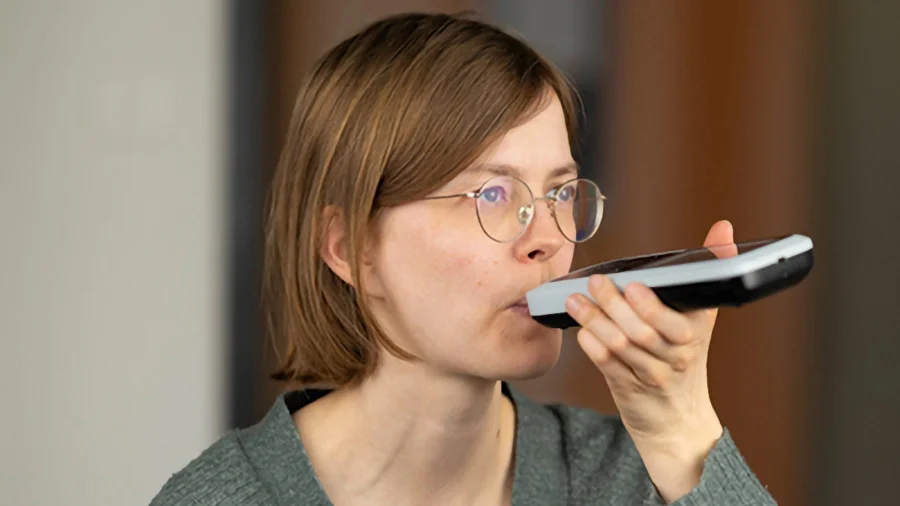
Scientists have developed a handheld device that analyzes your breath for acetone — a chemical produced when your body breaks down fat for energy. When your body enters ketosis, a metabolic state where fat becomes the primary fuel source, acetone levels in your breath rise. The device detects these changes in real time, offering a non-invasive window into your metabolism.
Why This Matters for Dieters and Health Enthusiasts
For millions following ketogenic diets, intermittent fasting, or low-carb lifestyles, tracking ketosis is a daily ritual. Current methods — blood ketone meters, urine strips, or expensive lab tests — are either invasive, inconvenient, or inaccurate. A simple breath test could make metabolic tracking as easy as checking your phone. This could also help people with diabetes or metabolic disorders monitor their condition without needles.
The Science Behind the Device
Acetone is a volatile organic compound that appears in breath when the body oxidizes fat. The handheld device uses a sensor that reacts specifically to acetone molecules, converting the chemical signal into a digital reading. Unlike older breath ketone analyzers that were bulky or required calibration, this new design is compact, portable, and designed for everyday use.
Who Could Benefit Most
Beyond keto dieters, the device could serve athletes optimizing fat adaptation, people managing type 2 diabetes, and individuals with epilepsy who use ketogenic therapy. It could also help researchers studying metabolism without invasive procedures. The device's simplicity means anyone — from a gym-goer to a clinician — could get instant feedback on their body's fuel source.
What Scientists and Experts Say
The researchers behind the device have emphasized its potential to democratize metabolic monitoring. While specific names and institutions have not been disclosed in the available information, the development aligns with a growing field of breath-based diagnostics. Experts in metabolic health have long called for non-invasive alternatives to blood tests, and this device could be a step in that direction.
How It Compares to Existing Methods
Blood ketone meters are considered the gold standard but require a finger prick and expensive test strips. Urine strips are cheaper but less accurate, especially after the body adapts to ketosis. Breath analyzers have existed before, but many were large, costly, or unreliable. This new handheld device aims to combine accuracy with convenience — though independent validation is still needed.
Confirmed Facts vs What Remains Unclear
What is confirmed: Scientists have developed a handheld breathalyzer that measures acetone to indicate fat burning. The device is based on established science linking breath acetone to ketosis. What remains unclear: The device's accuracy compared to blood tests, its regulatory status, pricing, availability, and whether it has been tested in large-scale human trials. These details will determine if the device becomes a practical tool or a niche gadget.
Risks and Balanced View
Breath acetone levels can be influenced by factors like hydration, alcohol consumption, and certain medical conditions, which could affect accuracy. The device may also not distinguish between nutritional ketosis and pathological ketosis seen in diabetic ketoacidosis — a dangerous condition. Users should not rely solely on this device for medical decisions without consulting a doctor. Additionally, without FDA or equivalent clearance, the device's claims remain unverified.
The Broader Trend: Breath as a Diagnostic Tool
This device is part of a larger movement toward non-invasive diagnostics. Scientists are developing breath analyzers for detecting diseases like lung cancer, infections, and even COVID-19. Measuring acetone for fat burning is one of the most consumer-friendly applications, but it also highlights how breath analysis could transform personal health monitoring — moving from clinics to pockets.
What This Means for Your Health Routine
If the device reaches the market, it could simplify how people track their diet and exercise. Instead of guessing whether you're in ketosis, you'd get a real-time answer. For now, the best approach is to continue using validated methods and watch for updates on this device's development. If you're considering a ketogenic diet or fasting, consult a healthcare professional before making changes.
What Happens Next
The researchers will likely need to publish peer-reviewed studies demonstrating the device's accuracy and reliability. Regulatory approvals — such as FDA clearance in the US or CE marking in Europe — would be required for medical claims. A consumer version could follow, potentially integrated with smartphone apps for tracking trends over time. The timeline remains uncertain, but the concept is promising.
Our Take
This device represents a clever application of established science to a real-world need. The ability to measure fat burning non-invasively could be genuinely useful for millions of people managing their weight or metabolic health. However, the gap between a prototype and a reliable consumer product is wide. Accuracy, affordability, and regulatory approval will determine whether this becomes a game-changer or a footnote. For now, it's an exciting development worth watching — but not yet worth buying.
Frequently Asked Questions
How does the handheld device measure when your body is burning fat?
The device detects acetone in your breath. When your body burns fat for energy, it produces acetone as a byproduct. Higher acetone levels indicate your body is in ketosis, meaning it is using fat as its primary fuel source.
Is this device better than blood ketone meters?
It could be more convenient because it is non-invasive and does not require test strips. However, blood meters are currently considered more accurate. The new device needs independent validation before it can be compared directly.
Can I use this device to diagnose diabetes or ketoacidosis?
No. The device is designed to detect nutritional ketosis, not medical conditions. Diabetic ketoacidosis is a dangerous condition that requires immediate medical attention. Always consult a doctor for diagnosis and treatment.
When will this device be available for purchase?
No commercial release date has been announced. The device is still in development and likely requires further testing and regulatory approval before it can be sold to consumers.