
Summary
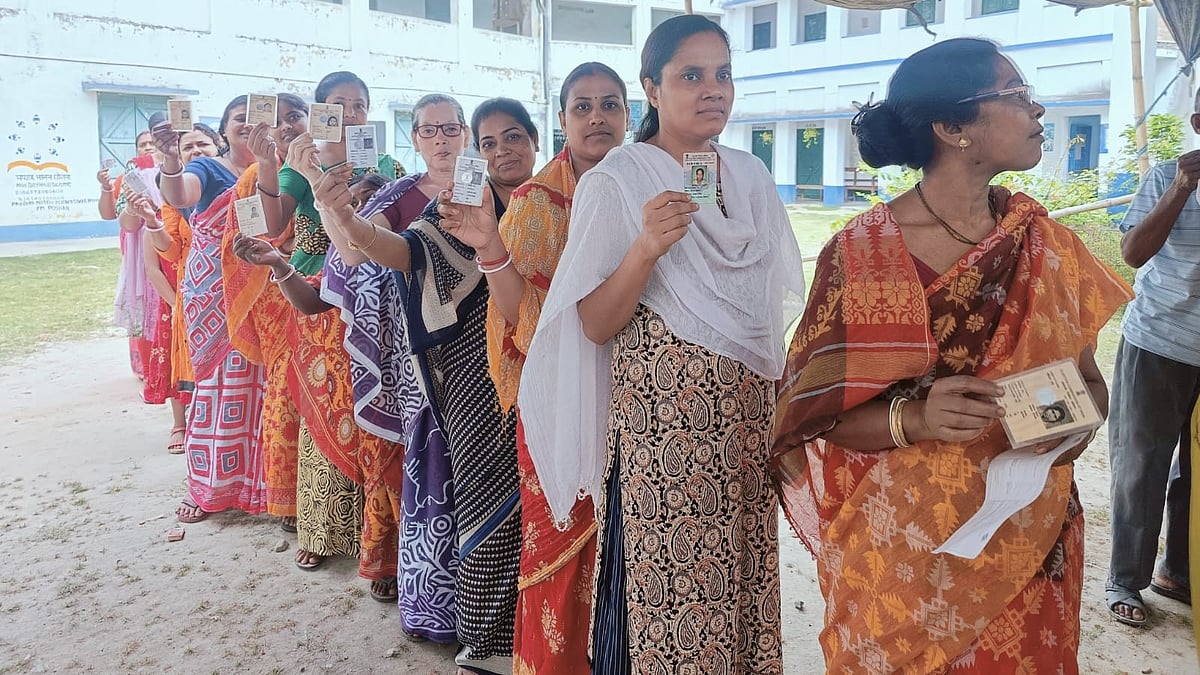
The 2026 Legislative Assembly elections in Tamil Nadu and the first phase of voting in West Bengal have seen a massive jump in voter turnout. Official data shows that more people came out to vote than in previous years, setting new records for both states. A major reason for this high participation was the large number of women who went to the polling booths. This high level of interest shows that voters are very active and engaged in the current political process.
Main Impact
The most significant outcome of this election phase is the power of the female vote. In both Tamil Nadu and West Bengal, women voted in higher percentages than men. This trend suggests that women are now a leading force in deciding the future of the government. When more than 85% or 90% of people show up to vote, it means the public is very serious about their choices. This high turnout puts pressure on political parties to address the specific needs of women and families, as they are clearly the ones driving the numbers at the polling stations.
Key Details
What Happened
Voting began early in the morning at 7:00 am on April 23, 2026. The Election Commission of India set up thousands of polling stations to make sure everyone could vote easily. While Tamil Nadu voted for all its seats in one go, West Bengal started its first phase of a multi-part election. At the same time, smaller by-elections took place in parts of Gujarat and Maharashtra. The entire process was watched closely by officials using cameras and digital tools to make sure everything was fair and peaceful.
Important Numbers and Facts
In Tamil Nadu, the total voter turnout reached 84.69% by the evening. This is much higher than the 78.29% recorded back in 2011. Specifically, 85.76% of women voted, while 83.57% of men did the same. This is a big jump from the 2021 elections where turnout was around 73%.
West Bengal saw even higher numbers. In the first phase, 91.78% of voters cast their ballots. Women in West Bengal also led the way with a 92.69% turnout, compared to 90.92% for men. To manage this huge crowd, the government used nearly six lakh workers and set up over 1.19 lakh polling stations. In total, over 9.33 crore people were eligible to vote across these two states during this period.
Background and Context
Voting patterns in India have changed a lot over the years. In the early days after the country became independent, voter turnout was often low, sometimes around 50%. However, since the 1980s, people have become more aware of their rights. West Bengal has a long history of high voter turnout, but reaching over 91% is still a very rare and impressive feat. Tamil Nadu has also seen its numbers go up and down, but the 2026 figures are the highest the state has ever seen. This growth shows that people feel their vote really matters and can change how their lives are managed.
Public or Industry Reaction
Election officials expressed satisfaction with how the day went. Chief Election Commissioner Gyanesh Kumar and other leaders monitored the voting in real-time through live video feeds. They noted that the use of technology helped keep the process transparent. While the turnout in the main state elections was record-breaking, the by-elections in other states were quieter. For example, in Gujarat’s Umreth, the turnout was about 59%, and in parts of Maharashtra, it was between 55% and 57%. This shows that while local elections are important, the big state-wide battles draw much more attention from the public.
What This Means Going Forward
The high turnout among women will likely change how future campaigns are run. Political experts believe that parties will now focus even more on policies like education, healthcare, and financial help for women. Since these voters are showing up in such high numbers, their influence cannot be ignored. For West Bengal, this high energy in the first phase sets a strong tone for the remaining phases of the election. For Tamil Nadu, the record-breaking day shows a highly motivated public that wants to have a clear say in who leads them for the next five years. The use of 100% live webcasting also sets a new standard for how elections will be monitored in the future to prevent any cheating.
Final Take
The 2026 elections have proven that the democratic spirit is stronger than ever in Tamil Nadu and West Bengal. With record numbers of people, especially women, heading to the polls, the message is clear: the public is deeply invested in their government. These high percentages show a healthy and active society where people believe in the power of the ballot box to shape their future.
Frequently Asked Questions
Which state had the highest voter turnout?
West Bengal recorded the highest turnout in its first phase, with 91.78% of voters participating by 5 pm on election day.
Did more men or women vote in these elections?
In both Tamil Nadu and West Bengal, women had a higher turnout percentage than men, driving the overall record-breaking numbers.
How did the Election Commission monitor the voting?
The Commission used 100% live webcasting at polling stations, allowing officials to watch the process in real-time to ensure it was fair and smooth.

