Summary
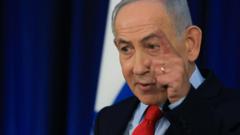
Israeli Prime Minister Benjamin Netanyahu recently confirmed that Israel was solely responsible for a military strike on a major Iranian gas field. During a news conference, the leader stated that the operation was carried out without the help of any international partners. He also shared that U.S. President Donald Trump has since requested that Israel avoid launching similar attacks in the future. This admission marks a significant moment in the ongoing tension between the two nations and highlights a potential disagreement between Israel and its strongest ally.
Main Impact
The primary impact of this announcement is the public confirmation of a direct hit on Iran's energy infrastructure. By claiming that Israel "acted alone," Netanyahu is sending a message of military independence and strength to both his citizens and his enemies. However, the revelation of President Trump’s request suggests that the United States is trying to limit the scale of the conflict. This could lead to a shift in how Israel plans its future military moves, as it must now balance its security goals with the diplomatic demands of the White House.
Key Details
What Happened
During a scheduled press meeting, Prime Minister Netanyahu addressed the recent reports regarding an explosion at an Iranian gas facility. He made it clear that the Israeli military planned and executed the mission entirely on its own. This is a change from the usual policy of staying silent about such operations. The Prime Minister also used the platform to discuss his recent conversations with the U.S. administration, specifically mentioning a request from President Trump to halt these specific types of strikes to prevent further escalation in the region.
Important Numbers and Facts
The event took place in the context of rising energy prices and regional instability. While specific damage costs have not been fully released, gas fields are vital to Iran's economy, providing both domestic power and export revenue. The news broke on March 20, 2026, following several weeks of speculation about who was behind the disruption of Iran's energy supply. Netanyahu’s statement confirms that the Israeli Air Force or special units were involved, though he did not provide the exact number of aircraft or personnel used in the mission.
Background and Context
Israel and Iran have been involved in a long-standing conflict that often happens through cyberattacks, proxy groups, and secret operations. In the past, Israel rarely took public credit for attacks inside Iranian territory. This "shadow war" has recently moved toward more direct hits on economic targets like oil and gas facilities. The involvement of the United States is always a major factor. Under the current administration, the U.S. has supported Israel's right to defend itself but is also concerned about a full-scale war that could affect global oil markets and drag American forces into a new fight.
Public or Industry Reaction
The reaction to Netanyahu's words has been mixed. Within Israel, some political leaders praised the military for its precision and success. They argue that hitting Iran’s economy is the best way to slow down its military programs. On the other hand, some diplomats are worried that admitting to the attack so openly will force Iran to respond more aggressively. In the United States, the news of Trump’s request has sparked debate. Some see it as a necessary move to keep peace, while others believe it might show a lack of unity between the two allies. Energy experts are also watching closely, as any threat to Middle Eastern gas and oil can cause prices to rise for consumers around the world.
What This Means Going Forward
The path ahead is uncertain. If Israel follows the request from President Trump, we might see a pause in direct attacks on Iranian soil. This could give diplomats a chance to talk and lower the temperature in the region. However, if Israel feels that Iran is still a major threat, Netanyahu might decide to act again, even without U.S. approval. This would put a strain on the relationship between Jerusalem and Washington. Iran is also expected to increase its security around its energy plants, making future missions much more difficult and dangerous for the Israeli military.
Final Take
This situation shows that Israel is willing to take big risks to protect its interests, even if it means acting without its allies. By speaking out, Netanyahu has ended the mystery surrounding the gas field attack, but he has also created a new diplomatic challenge. The world will be watching to see if the U.S. can successfully convince Israel to change its strategy or if the two nations will continue to move in different directions regarding regional security.
Frequently Asked Questions
Why did Israel attack a gas field?
Israel views Iran's energy infrastructure as a source of funding for groups that threaten Israeli security. By hitting these targets, they hope to weaken Iran's ability to fund military operations.
Did the United States help with the attack?
No. Prime Minister Netanyahu specifically stated that Israel acted alone in this operation, meaning they did not receive direct military or intelligence help from the U.S. for this specific mission.
Will there be more attacks like this?
President Trump has requested that Israel stop these types of attacks. While Israel has not officially promised to stop, the request from their main ally will likely play a big role in their future decisions.