
Summary
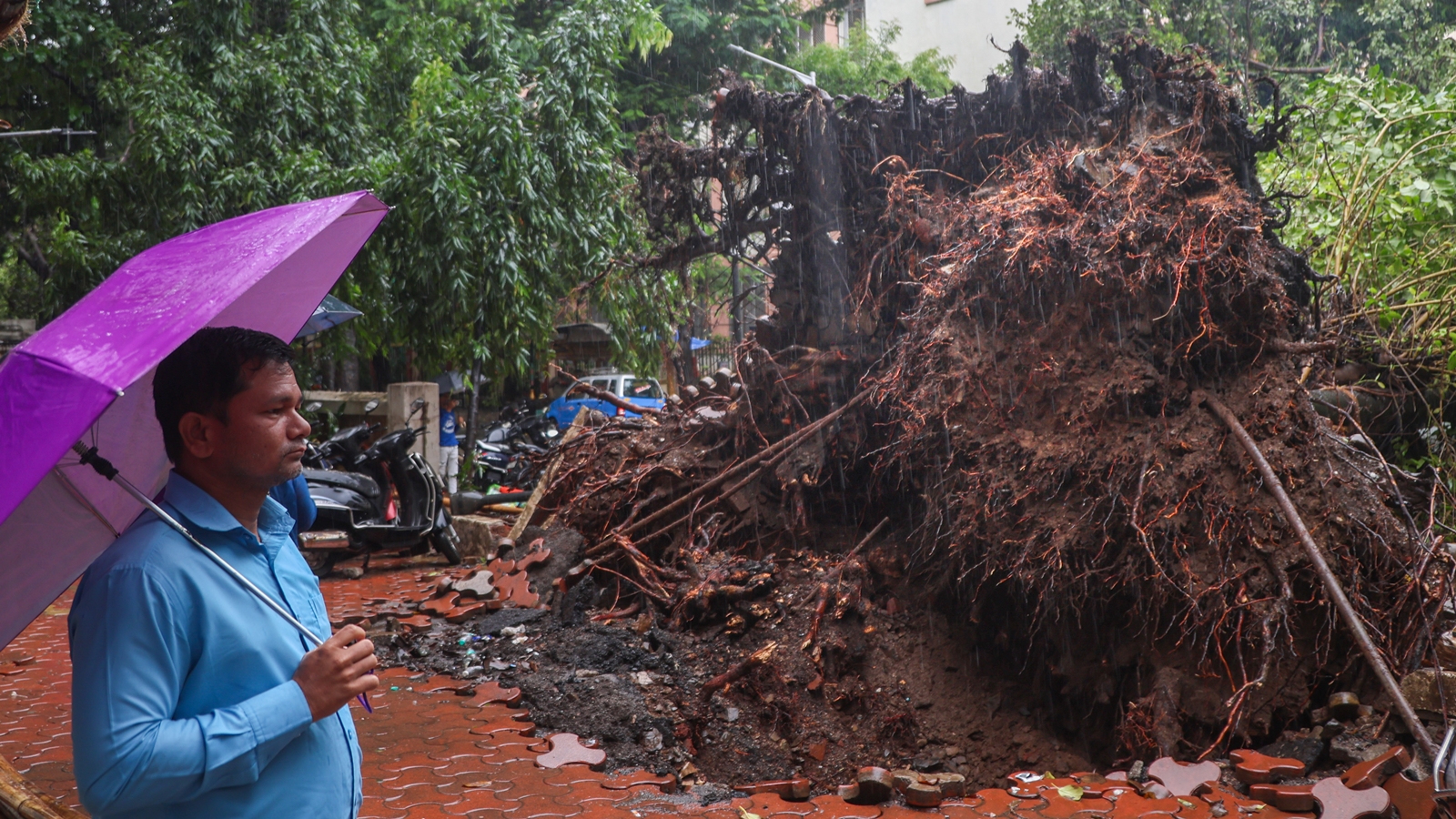
In just 11 days, 1,856 trees fell across Mumbai, killing three people. This has raised serious questions about why the Brihanmumbai Municipal Corporation (BMC), India’s richest civic body, cannot predict or prevent such collapses. The incidents occurred between June 1 and June 11, 2026, during heavy rains and strong winds. Experts point to poor tree maintenance, lack of scientific audits, and a reactive approach as the main reasons behind the crisis.
Main Impact
The immediate impact is the loss of three lives and widespread fear among residents. Many Mumbaikars now worry about walking on roads lined with old, large trees during the monsoon. The BMC’s inability to manage its tree cover has also hurt its reputation as a well-funded and capable civic body. The city’s green cover, which provides shade and clean air, is now seen as a safety risk instead of an asset.
Key Details
What Happened
Between June 1 and June 11, 2026, Mumbai recorded 1,856 tree falls. Three people died when trees or large branches crashed onto them. Most incidents happened in areas like Andheri, Dadar, and Malad, where old rain trees and gulmohars are common. The BMC’s disaster management cell reported that strong winds of up to 60 km/h and continuous rain were the immediate triggers.
Important Numbers and Facts
The BMC has an annual budget of over ₹52,000 crore, making it the richest civic body in India. Yet, it spends only about ₹100 crore on tree management each year. Mumbai has roughly 30 lakh trees, but only 10% of them are inspected regularly. The city lost 1,856 trees in 11 days, which is more than the 1,200 trees it plants in a typical month. The three deaths occurred in separate incidents: one in a car, one on a footpath, and one in a parked auto-rickshaw.
Background and Context
Mumbai’s tree problem is not new. The city has many old trees planted during the British era, especially rain trees and gulmohars. These trees have large, heavy branches that are prone to breaking in strong winds. The BMC’s tree department is understaffed and relies on visual checks rather than scientific methods like sonic tomography, which can detect internal rot. Many trees are also damaged by construction work, road digging, and illegal pruning. The monsoon season, which lasts from June to September, is when most tree falls happen. Despite repeated warnings from activists and experts, the BMC has not adopted a predictive maintenance system.
Public or Industry Reaction
Residents and activists have strongly criticized the BMC. Local groups in areas like Bandra and Khar have started their own tree surveys using volunteers. Social media is filled with photos of fallen trees and angry posts demanding action. Tree experts say the BMC should use technology like drones and sensors to check tree health. Some citizens have filed Right to Information (RTI) requests to find out how the BMC spends its tree budget. The opposition parties in the city have also raised the issue in the municipal corporation meetings, calling for a full audit of the tree department.
What This Means Going Forward
The BMC now faces pressure to change its approach. It has announced a quick survey of 50,000 high-risk trees near roads and buildings. But experts say this is not enough. The city needs a long-term plan that includes regular scientific audits, pruning schedules, and a tree replacement policy. If the BMC does not act, more deaths and damage are likely in future monsoons. The city also risks losing its green cover, which is vital for reducing heat and pollution. Other Indian cities with similar tree problems, like Bengaluru and Delhi, will also watch Mumbai’s response closely.
Final Take
Mumbai’s tree fall crisis shows that money alone cannot solve urban problems. The BMC has the funds but lacks the will and systems to manage its trees properly. Until the civic body moves from a reactive to a predictive approach, every monsoon will bring the same risk. The three deaths in 11 days are a clear warning that cannot be ignored.
Frequently Asked Questions
Why do so many trees fall in Mumbai during the monsoon?
Many trees in Mumbai are old and have large, heavy branches. The monsoon brings strong winds and continuous rain, which makes these branches weak. The BMC does not inspect most trees regularly or use scientific methods to check their health, so weak trees are not identified before they fall.
What is the BMC doing to prevent tree falls?
The BMC has announced a survey of 50,000 high-risk trees near roads and buildings. It also says it will use more technology like drones for inspections. However, experts say these steps are too small and slow. The BMC needs to inspect all trees regularly and use tools like sonic tomography to find internal rot.
Can citizens do anything to help prevent tree falls?
Yes, citizens can report weak or damaged trees to the BMC through its helpline or app. Some local groups have started their own tree surveys using volunteers. Citizens can also file RTI requests to ask how the BMC spends money on tree care. Raising awareness and putting pressure on the civic body can lead to faster action.



