
Summary
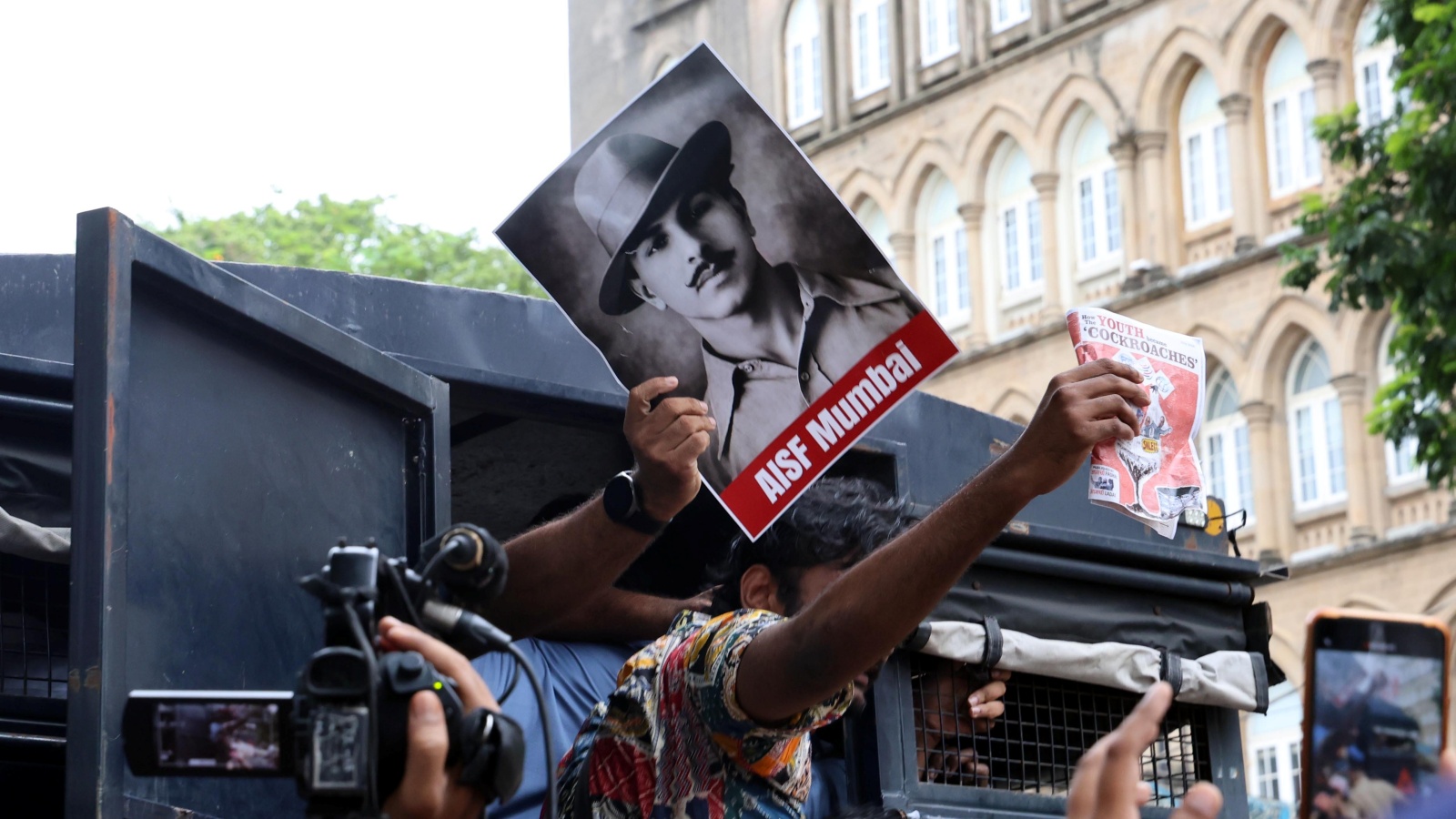
Students in Mumbai held a protest against the detention of climate activist Sonam Wangchuk. The Mumbai police have filed a case against the protest organizers for holding the gathering without permission. The protest highlights growing tensions between student activism and law enforcement in the city.
Main Impact
The protest and subsequent police action have sparked a debate about the right to peaceful assembly in Mumbai. Students say they were exercising their democratic rights, while police maintain they were enforcing the law. The case against the organizers could set a precedent for how future protests are handled in the city.
Key Details
What Happened
A group of students gathered in Mumbai to protest the detention of Sonam Wangchuk, a well-known climate activist from Ladakh. Wangchuk was detained earlier this week during a separate protest in Delhi. The Mumbai students demanded his release and called for more action on climate change.
Important Numbers and Facts
The protest took place on July 18, 2026, near the Gateway of India. Police said around 200 students took part. The Mumbai police have registered a case under sections of the Indian Penal Code related to unlawful assembly. No arrests have been made so far, but the organizers have been asked to appear before the police.
Background and Context
Sonam Wangchuk is a famous environmental activist from the Ladakh region. He is known for his work on climate change and education. He was detained in Delhi while leading a march to demand more government action on global warming. His detention has drawn criticism from activists and students across the country.
Student protests in Mumbai are not new. However, police action against organizers has become more common in recent years. This has raised questions about the balance between security and the right to protest.
Public or Industry Reaction
Student groups have condemned the police action. They say the protest was peaceful and that the police overreacted. Some political leaders have also spoken out, with opposition parties criticizing the government for suppressing dissent.
On social media, the hashtag #FreeWangchuk has been trending. Many users have shared videos of the protest and called for the charges to be dropped. The police have not commented on the criticism.
What This Means Going Forward
The case against the organizers could discourage future protests. Students may think twice before organizing similar events if they fear legal action. At the same time, the police say they are only following the law and that permission is needed for any public gathering.
The situation also puts focus on Sonam Wangchuk's detention. If he is not released soon, more protests could follow in other cities. The government may face increasing pressure to respond to climate demands.
Final Take
This event shows the ongoing clash between activism and law enforcement in India. While students want to raise their voices on important issues, police are bound by rules that require prior permission. How this case is resolved will likely influence how future protests are managed in Mumbai and beyond.
Frequently Asked Questions
Why was Sonam Wangchuk detained?
Sonam Wangchuk was detained in Delhi while leading a climate march. Police said he did not have permission for the protest. His supporters say he was exercising his right to peaceful assembly.
What charges have been filed against the Mumbai protest organizers?
The Mumbai police have filed a case under sections of the Indian Penal Code related to unlawful assembly. The exact charges include holding a protest without prior permission from the authorities.
Can students protest without permission in Mumbai?
Under Indian law, any public gathering of more than a few people usually requires prior permission from the police. This is to ensure public order and safety. Without permission, the gathering can be considered unlawful.



