
Summary
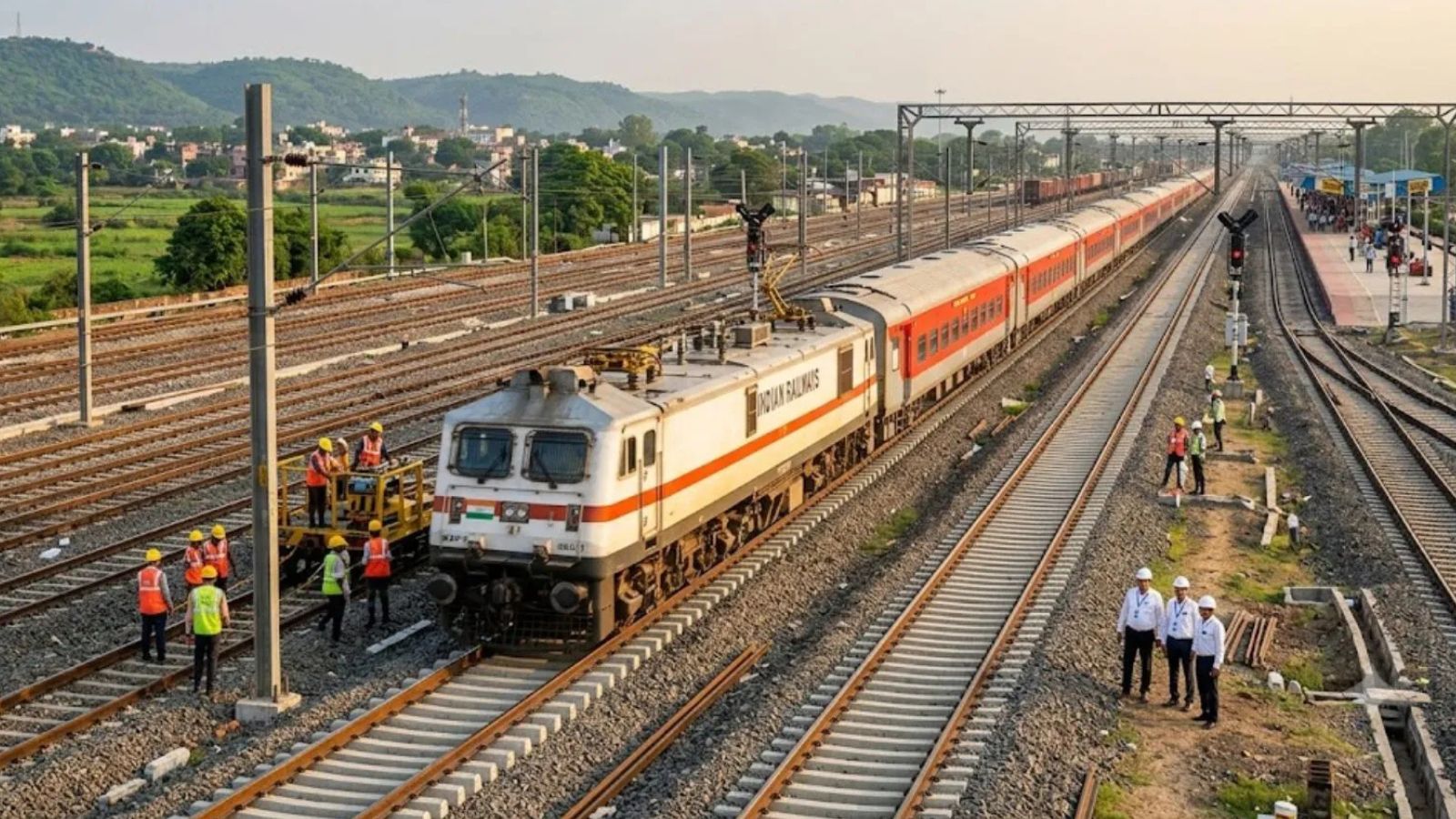
The Western Railway is pushing ahead with plans for a new mega terminus in Mumbai, but the project faces a major hurdle. The Defence Ministry has refused to give up the required land twice. Now, the railway is trying a new approach to secure the space needed for this large station. The outcome could change how millions of commuters travel in and out of the city.
Main Impact
The proposed mega terminus is meant to ease severe overcrowding at Mumbai's existing stations. If built, it would handle thousands of extra passengers daily and reduce pressure on the Western Railway line. But without the defence land, the project cannot move forward. The delay is already affecting plans to improve suburban and long-distance train services in the region.
Key Details
What Happened
Western Railway wants to build a large new terminus in the western suburbs of Mumbai. The chosen site is near the existing station at Borivali or Dahisar. However, a big part of the land belongs to the Defence Ministry. The railway asked for this land twice, and both times the ministry said no. Now, railway officials are looking at other options, including swapping land or building on a smaller area.
Important Numbers and Facts
The proposed terminus is expected to handle around 10 to 12 lakh (1 to 1.2 million) passengers each day. It would have multiple platforms, waiting areas, and connections to local trains and buses. The project was first planned several years ago but has been stuck due to the land issue. The Defence Ministry controls a large chunk of land in the area, which is used for storage and other military purposes.
Background and Context
Mumbai's local train network is one of the busiest in the world. Every day, millions of people travel on the Western, Central, and Harbour lines. Stations like Churchgate, Mumbai Central, and Dadar are often packed during peak hours. A new mega terminus would help spread out the crowd and make travel faster and safer. The idea is similar to how the new terminal at Chhatrapati Shivaji Maharaj Terminus (CSMT) helped reduce congestion. But finding large empty plots in a crowded city like Mumbai is very hard. That is why the defence land is so important.
Public or Industry Reaction
Commuters and local groups have been waiting for this project for years. Many say the current stations are unsafe because of overcrowding. Passenger associations have written to the railway ministry asking for faster action. Some experts say the railway should look at other locations if the defence land is not available. But officials believe the chosen spot is the best because of its location near the highway and existing rail lines.
What This Means Going Forward
The railway is now trying to negotiate with the Defence Ministry at a higher level. One option is to offer the defence department a different piece of land in exchange. Another is to build the terminus in phases, using only the land that is already available. If no deal is reached, the project may be delayed for years. This could also affect other planned upgrades on the Western Railway line, including new trains and better signaling systems.
Final Take
The mega terminus project is a key part of Mumbai's long-term transport plan. But without the defence land, it cannot become a reality. The next few months will show if the two sides can find a solution. For now, millions of daily commuters will have to wait a little longer for relief from crowded stations.
Frequently Asked Questions
Why does Western Railway need a mega terminus?
Mumbai's existing stations are very crowded. A new terminus would handle more passengers and reduce pressure on the busiest stations. It would also help run more long-distance trains from the western suburbs.
Why is the Defence Ministry refusing to give land?
The Defence Ministry uses the land for its own operations, including storage and training. Giving it up would require finding a suitable replacement or changing military plans. The ministry has refused twice because it says the land is still needed for defence purposes.
What happens if the land is not given?
If the land is not available, the railway may have to build a smaller station or choose a different location. This could delay the project by several years and increase costs. It may also mean that the benefits of the new terminus will not reach commuters anytime soon.



