
Summary
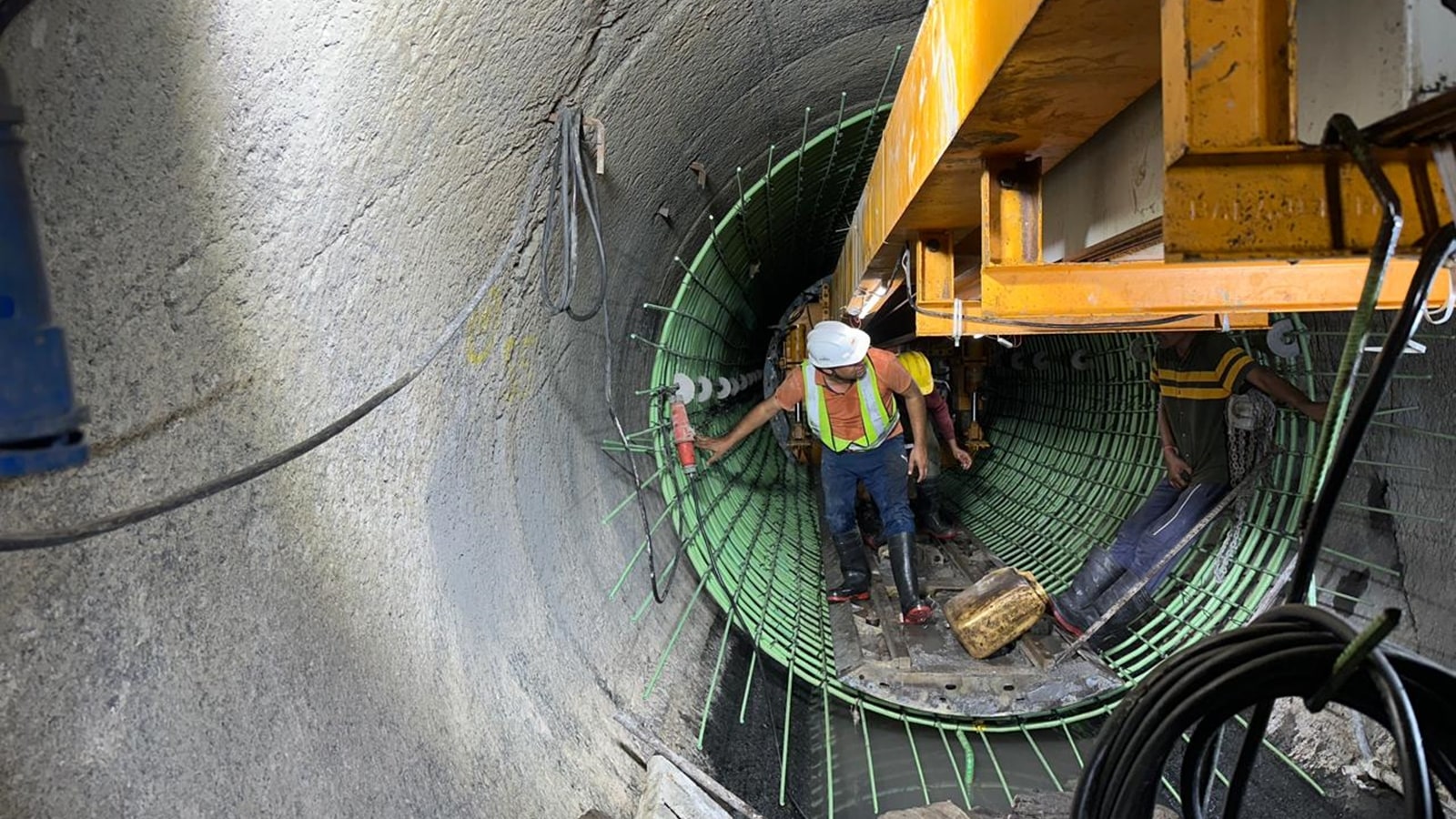
Mumbai is currently pushing forward with massive underground construction projects, recently launching two new giant Tunnel Boring Machines (TBMs) to expand its transit network. However, a different story is unfolding 60 meters beneath the surface in Powai, where an older TBM has been completely abandoned. This massive piece of machinery is stuck deep in the earth, and officials have decided that it is not worth the cost or effort to bring it back to the surface. While the city looks toward a high-tech future, this "ghost machine" will remain a permanent part of Mumbai’s underground history.
Main Impact
The decision to leave a multi-million dollar machine underground shows the extreme risks involved in urban engineering. While the two new TBMs represent progress and modern travel, the abandoned machine in Powai serves as a reminder of how quickly things can go wrong. For the city, the impact is mostly financial and logistical. Recovering the machine would require digging a massive hole in a crowded area, which could damage buildings and cost more than the machine itself is worth. As a result, the city has chosen to walk away, leaving the equipment to be swallowed by the earth.
Key Details
What Happened
The abandoned TBM was originally brought in to help build a vital water tunnel project. These machines are designed to chew through solid rock and soil to create paths for water or trains. However, during the work in Powai, the machine ran into unexpected ground conditions. The soil was not as stable as engineers thought, and the machine eventually became trapped. After several attempts to restart the project or move the equipment, it became clear that the TBM was not going anywhere. Now, as new machines start their work elsewhere in the city, this one remains silent and forgotten.
Important Numbers and Facts
The scale of this situation is quite large. The machine is sitting at a depth of 60 meters, which is roughly the height of a 20-story building. These machines are not small; they often weigh hundreds of tons and are as long as several buses parked end-to-end. The cost of a single TBM can run into tens of millions of dollars. In this case, the cost of building a recovery shaft to pull the machine out was estimated to be so high that it was cheaper to simply buy a new one for future projects and leave the old one behind.
Background and Context
Mumbai is one of the most crowded cities in the world, which makes building on the surface very difficult. To solve traffic and water problems, the city has moved its construction efforts underground. Tunnel Boring Machines are the primary tools for this work. They are often called "mechanical moles" because they can tunnel through the earth without disturbing the people living above. Usually, once a TBM finishes its job, it is taken apart and moved to a new location. It is very rare for one to be left behind, but it happens in extreme cases where the machine breaks down or the ground becomes too dangerous to continue work.
Public or Industry Reaction
Within the engineering community, leaving a TBM behind is seen as a last resort. Experts note that while it seems like a waste of money, it is often the safest choice for the public. Digging a recovery hole in a busy area like Powai could lead to ground sinking or cracks in nearby homes. Most residents are unaware that a giant piece of steel is sitting right beneath their feet. However, some critics point out that this is a sign of poor planning or a lack of understanding of the city's complex soil layers before the project began.
What This Means Going Forward
As Mumbai continues to build its Metro lines and coastal roads, the lessons from the Powai failure are being used to plan better. The two new TBMs launched recently are equipped with better sensors to detect changes in soil and rock. These new machines are expected to complete their tasks without getting stuck. As for the abandoned machine, it will likely be filled with concrete or sealed off to ensure the ground above stays stable. It will never be used again and will stay 60 meters deep forever, becoming a strange footnote in the story of how Mumbai was built.
Final Take
The contrast between the new machines starting their journey and the old one left in the dark shows the reality of big city construction. Progress is rarely perfect, and sometimes the cost of moving forward means leaving something behind. Mumbai’s underground is becoming more crowded, not just with new tunnels, but with the remains of the projects that didn't go as planned. The abandoned TBM in Powai is a silent witness to the challenges of building a modern city in a difficult environment.
Frequently Asked Questions
Why can't they just pull the machine out?
The machine is too deep and surrounded by heavy soil and rock. To pull it out, workers would have to dig a massive vertical hole from the surface. This would be too expensive and could cause the ground nearby to collapse, putting buildings at risk.
Is the abandoned machine dangerous to people living in Powai?
No, the machine is not dangerous. It is located 60 meters underground, which is very deep. Engineers will make sure the area is stable so that there is no risk of the ground sinking or moving in the future.
What happens to the tunnel that was being built?
In most cases, engineers will find a way to dig around the stuck machine or start a new tunnel nearby. The section where the machine is stuck is usually sealed off with concrete to make sure it stays secure and does not interfere with other underground pipes or structures.



