
Summary
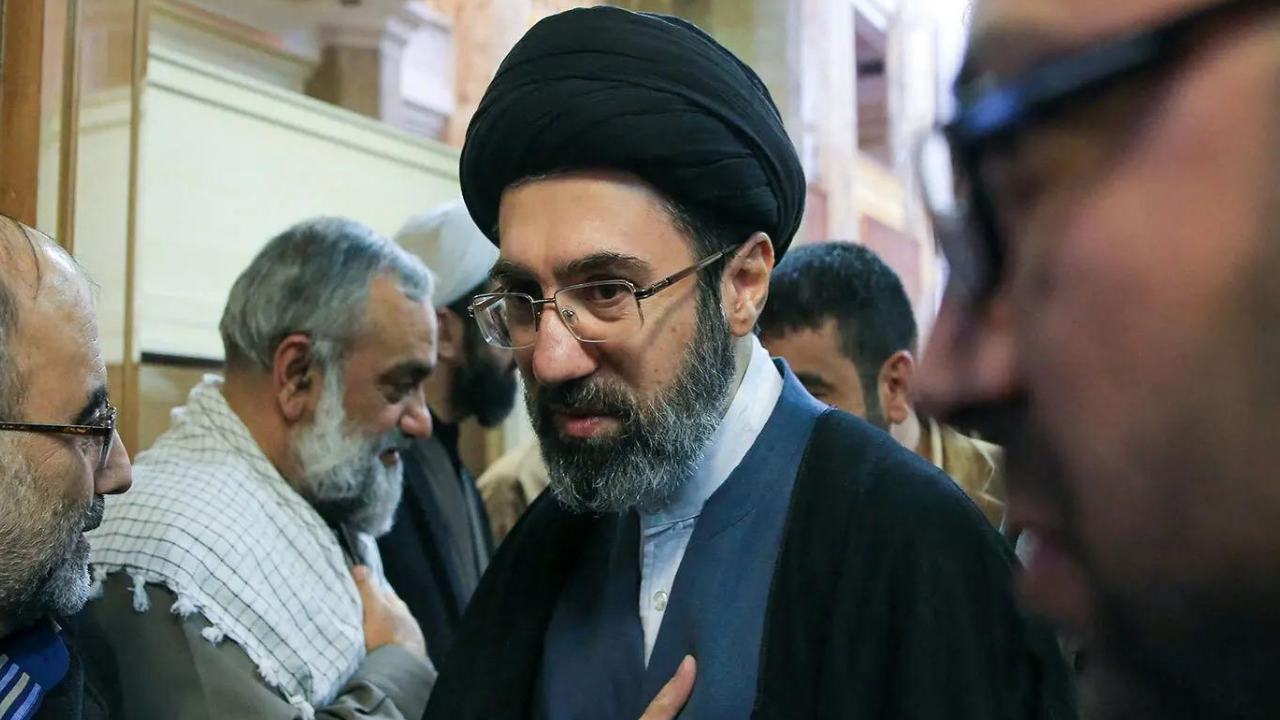
Mojtaba Khamenei, a central figure in Iranian politics and the son of the Supreme Leader, is currently recovering from severe injuries following a recent bomb attack. Reports indicate that he suffered significant burns to his face and is waiting for a prosthetic leg after losing a limb in the strike. This medical crisis has forced him to step back from his usual duties, creating a power shift within the country. As he remains out of the public eye, the Islamic Revolutionary Guard Corps (IRGC) has taken a much larger role in managing the nation's affairs.
Main Impact
The most immediate effect of this situation is the visible rise in power of the Islamic Revolutionary Guard Corps. With Mojtaba Khamenei unable to engage in his regular leadership activities, military commanders have stepped in to fill the void. This change suggests that Iran is moving toward a "board-style" leadership system. In this model, a group of high-ranking military officials makes decisions together rather than following a single political successor. This shift has created a lot of uncertainty for international relations, especially regarding peace talks and diplomatic efforts in the region.
Key Details
What Happened
The injuries occurred during a targeted strike that aimed to disrupt the top levels of the Iranian government. While Mojtaba Khamenei survived the blast, the physical damage was extensive. Medical teams have been working to treat severe burns on his face, which may require long-term care and reconstructive surgery. Additionally, the loss of his leg has made it difficult for him to move or appear in public, which is why he is currently waiting for a prosthetic limb to be fitted and tested. This recovery process is expected to take a long time, keeping him away from the center of power during a very sensitive period.
Important Numbers and Facts
The attack has changed the political timeline for Iran. Before this event, many experts believed Mojtaba was being prepared to take over his father’s role as the Supreme Leader. Now, the focus has shifted to the IRGC commanders who control the country's defense and economy. Analysts point out that the military's influence over the government has increased by a large margin since the strike. This change is also affecting ceasefire talks, as the new military-led group may have different goals than the previous political leadership. The lack of a single clear leader makes it harder for foreign countries to know who they are actually negotiating with.
Background and Context
To understand why this matters, it is important to know who Mojtaba Khamenei is. As the son of Ali Khamenei, he has held a lot of secret power for many years. Even though he did not have an official government title, many people saw him as the person who would eventually lead the country. He was a bridge between the religious leaders and the security forces. Now that he is badly injured, that bridge is broken. The IRGC, which was already very powerful, no longer has to answer to a clear political heir. This creates a new situation where the military might decide the future of the country without following the traditional religious path.
Public or Industry Reaction
Political experts and military analysts are watching these events closely. Many believe that the move toward a "board-style" leadership will make Iran more unpredictable. In the past, diplomats could focus on a few key people to discuss peace or trade. Now, they must deal with a committee of generals who may not always agree with each other. Some regional neighbors are worried that a military-led government will be more aggressive. On the other hand, some internal groups in Iran are waiting to see if this shift leads to more stability or more conflict within the government itself.
What This Means Going Forward
The next few months will be critical for Iran. If Mojtaba Khamenei makes a successful recovery and returns to public life with his prosthetic leg, he may try to reclaim his position. However, if his injuries prevent him from leading, the IRGC will likely tighten its grip on power. This could lead to a permanent change in how the country is run. For the rest of the world, this means that any ongoing ceasefire talks or nuclear discussions are likely to slow down. The international community will have to find new ways to talk to the military leaders who are now making the big decisions.
Final Take
The physical injuries to Mojtaba Khamenei have caused a major change in the way Iran functions. What started as a medical emergency has turned into a political transformation. As the military takes more control, the path to peace and diplomacy becomes more complicated. The world is now watching to see if a group of commanders can lead as effectively as a single leader, or if this new system will lead to more tension in an already difficult part of the world.
Frequently Asked Questions
Who is Mojtaba Khamenei?
He is the son of Iran's Supreme Leader, Ali Khamenei. He has long been considered a very powerful figure and a possible future leader of the country.
How did he get injured?
He was hurt in a bomb attack or strike that caused severe facial burns and the loss of a leg. He is currently recovering and waiting for a prosthetic limb.
What is "board-style" leadership?
It is a system where a group of people, in this case military commanders from the IRGC, make decisions together instead of one single person having all the power.

