
Summary
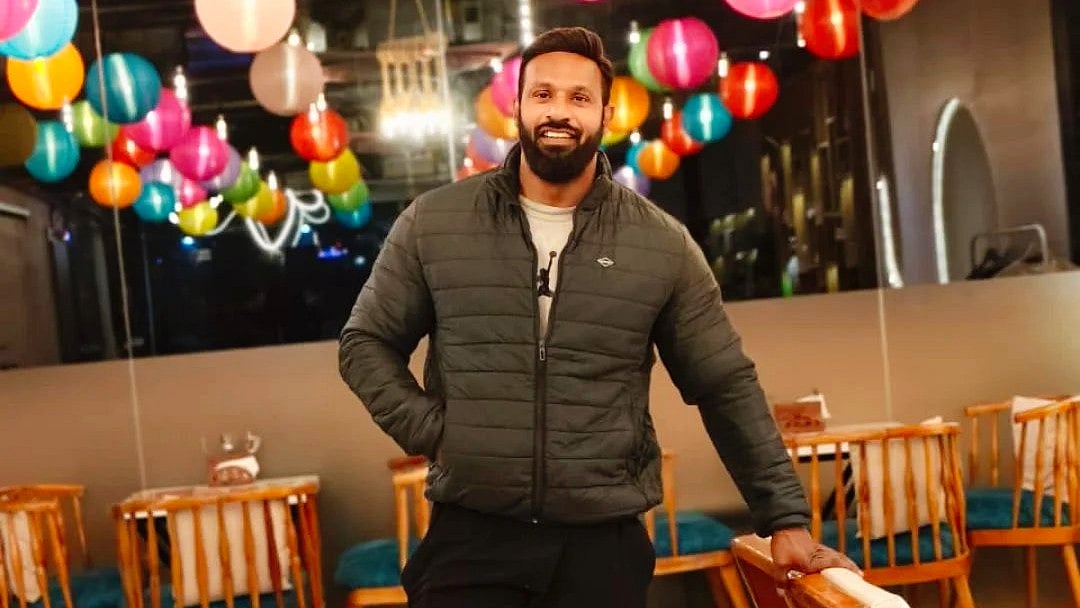
Deepak Kumar, a gym owner from Kotdwar, is facing a difficult legal battle after he stood up for an elderly shopkeeper. Known to many as Mohammad Deepak, he intervened when a group of men tried to harass a 70-year-old Muslim man over his shop's name. While people across the country have praised his bravery, the Uttarakhand High Court has refused to drop the police case against him. The court has also ordered him to stop posting about the situation on social media while the investigation continues.
Main Impact
The main impact of this case is the growing concern over how the legal system treats people who try to help others. Deepak Kumar acted to prevent the intimidation of a senior citizen, yet he is now the one being investigated as an accused person. This situation creates a confusing message for the public. It suggests that even when someone acts with good intentions to stop a conflict, they can still end up trapped in a long and stressful legal process. The court's decision to keep the case open means Deepak must live under the shadow of a criminal investigation despite the public support he has received.
Key Details
What Happened
The trouble began on January 26, which is Republic Day in India. A group of men went to a small shop owned by a 70-year-old Muslim man. They pressured him to change the name of his business because it included the word "Baba." Deepak Kumar saw what was happening and decided to step in. During the heated argument, he introduced himself as Mohammad Deepak to show that he stood with the shopkeeper. His refusal to back down stopped the group from further harassing the elderly man. However, a few days later, on January 31, a group of protesters gathered near Deepak’s gym to confront him. The police had to intervene to make sure the situation did not turn into a physical fight.
Important Numbers and Facts
The case involves two specific dates: January 26 and January 31. Deepak and his friend, Vijay Rawat, filed a petition with the Uttarakhand High Court to ask the judges to cancel the First Information Report (FIR) filed against them. They argued that they were the ones being harassed and that the police had not taken action against the people who gathered at the gym. Justice Rakesh Thapliyal, who heard the case, gave very strict directions. He told the men that they are currently accused persons and must cooperate with the police. He specifically warned them not to use social media to talk about the case, stating that they should not try to make the matter a public spectacle.
Background and Context
This story is important because it shows the tension that can exist in small towns over religious and social issues. In this part of Uttarakhand, a simple shop name became a point of conflict. Deepak Kumar’s choice to use a name that combined Hindu and Muslim identities was a symbolic act of unity. Many people saw this as a powerful way to fight against division. However, the legal system does not always look at the symbolic meaning of an act. The court is focused on whether any laws were broken during the arguments. This case highlights the gap between what the public sees as a heroic act and what the law views as a potential disturbance of the peace.
Public or Industry Reaction
The public reaction has been very strong. Many people on the internet have called Deepak a hero for his courage. They believe that standing up for a vulnerable person is exactly what a good citizen should do. Some have even started calling this the "Mohammad Deepak effect," using it as a term for standing up against bullies. On the other hand, the court expressed a very different view. The judge was worried that the case was becoming too "sensational." The court believes that if the case is discussed too much on social media, it could make it harder for the police to do their job fairly. This shows a clear divide between public emotion and legal procedure.
What This Means Going Forward
Going forward, Deepak Kumar must follow the court's strict rules. He cannot post videos or messages about his legal struggle, which limits his ability to defend himself in the court of public opinion. The police will continue their investigation into the events of late January. If the investigation finds that Deepak did not break any laws, the case might eventually be closed. However, until that happens, he remains an accused person. This case will likely serve as a test for how the justice system handles whistleblowers and people who intervene in social conflicts. It raises the question of whether the law does enough to protect those who step in to help others.
Final Take
Deepak Kumar’s story is a reminder that doing the right thing can sometimes lead to personal trouble. While he has earned the respect of many people across India, he is still facing the weight of the legal system. His experience shows that moral courage does not always lead to immediate legal protection. The outcome of this investigation will be a significant indicator of how the system treats individuals who choose to stand up against intimidation in their communities.
Frequently Asked Questions
Why is there a police case against Deepak Kumar?
Deepak is named in a First Information Report (FIR) following a confrontation where he defended an elderly shopkeeper. The police are investigating the details of the argument to see if any laws were broken during the incident.
Why did the court tell him to stay off social media?
The judge believes that posting about the case could "sensationalize" the matter. The court wants to ensure that the police investigation is handled quietly and fairly without being influenced by public opinion online.
What was the original argument about?
The argument started when a group of men tried to force a 70-year-old Muslim shopkeeper to remove the word "Baba" from his shop's sign. Deepak Kumar stepped in to protect the shopkeeper and stop the harassment.

