By [Author Name] | Defence & Diplomacy Correspondent
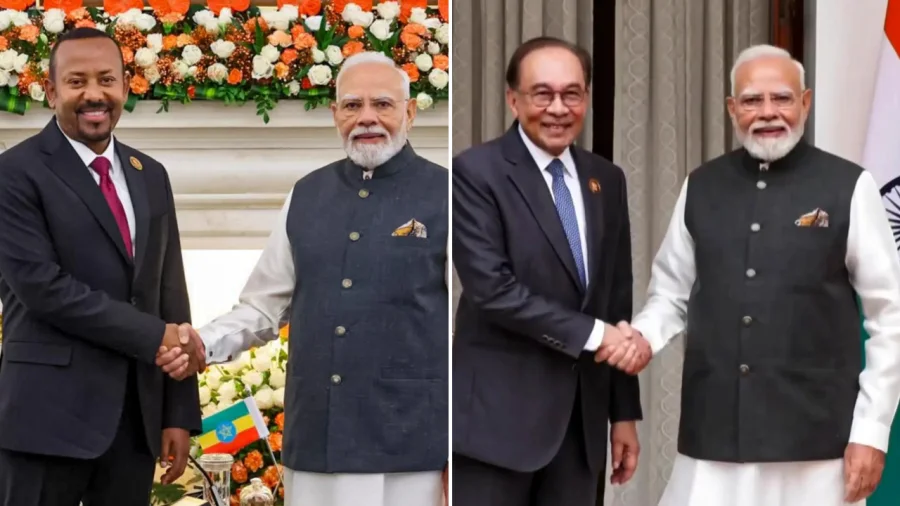
Two countries, two very different problems — and one shared item on India's wish list. Prime Minister Narendra Modi held talks with Ethiopia and Malaysia, with defence and investment leading the agenda, according to the news brief on the meetings. What was discussed is clear enough. What was actually agreed is not, and that gap is where the story currently sits.
What Happened, and What Has Actually Been Confirmed
PM Modi held bilateral discussions with Ethiopia and Malaysia, with defence cooperation and investment identified as the core agenda items. Far less is established beyond that headline. No joint statement text, no signed agreement list and no confirmed figures were available at the time of writing.
For readers, that distinction matters. An agenda is a signal of intent. It is not an outcome.
Why Addis Ababa and Kuala Lumpur Sit in the Same Conversation
Ethiopia anchors India's East Africa engagement. It hosts the African Union's headquarters and joined BRICS in January 2024, giving it weight well beyond its economy. India has extended concessional credit for infrastructure there and Indian firms have invested across manufacturing and agriculture.
Malaysia is a different proposition — a Southeast Asian partner where India is pushing defence exports and trade depth. The Malaysia-India Comprehensive Economic Cooperation Agreement has been in force since 2011.
The Defence Angle: Exports, Not Just Exercises
India has spent years trying to move from defence buyer to defence seller. Malaysia has been central to that ambition, with Indian media reporting interest in the HAL Tejas light combat aircraft — a platform New Delhi has actively marketed in the region.
Ethiopia's defence requirement is shaped by a different logic: internal security, border tensions and modernising an under-equipped force. Where India can fit in — training, spares, platforms or credit-backed supply — is precisely the kind of question these talks are meant to test.
The Investment Half of the Conversation
Investment diplomacy is harder to read than defence. It rarely produces a headline-friendly announcement, and often moves through credit lines, joint ventures and phased agreements. India's pitch to both partners follows a familiar pattern: finance and expertise in exchange for market access and long-term presence.
For Ethiopia, that means infrastructure and manufacturing capacity. For Malaysia, it points toward technology partnerships, digital payments and deeper corporate presence.
Who Feels This First — Business, Students and Workers
Bilateral talks that stay at the leadership level take months to reach ordinary lives. But the direction of travel is often visible early: exporters watching tariff lines, defence suppliers tracking procurement signals, Indian students and professionals in Malaysia gauging visa and mobility terms, and Indian businesses in Ethiopia watching credit and currency conditions.
None of those outcomes were confirmed in the brief. What is confirmed is that both files were on the table.
Confirmed Facts vs What Remains Unclear
Confirmed: PM Modi held talks with Ethiopia and Malaysia; defence and investment were the stated agenda items.
Unclear: Whether any memorandum was signed, what value was discussed, whether specific defence platforms were named, and whether follow-up visits were scheduled. Any claim on these points right now should be treated as speculation until an official readout appears.
Risks and the Balanced View
India's defence-export push faces real headwinds: long delivery cycles, competing suppliers with established service networks, and buyer caution about diversifying away from traditional partners. In Ethiopia, the constraint is different — debt sustainability and internal stability shape how much any credit line can realistically be absorbed.
Read the meetings as strategic groundwork rather than delivered outcomes. That is the honest framing until documentation is public.
The Wider Pattern: India's Multi-Alignment in Practice
These two engagements are not isolated. India has been steadily widening its diplomatic footprint — deepening Africa ties through development partnership and BRICS, while expanding Southeast Asian defence and trade links under the Act East framework. Meeting leaders from both regions in quick succession is consistent with that wider approach.
Practical Guidance for Readers Tracking This Story
Wait for the official readouts — MEA and PMO statements are the reliable markers, not social media clips. Exporters and defence suppliers should watch for follow-up procurement notices rather than interpreting the agenda itself. Investors should treat any market reaction as sentiment, not substance, until agreements are documented.
Students and professionals planning Malaysia or Ethiopia moves should rely on embassy and ministry advisories, which change slowly and predictably.
What Could Happen Next
The most likely next steps are formal readouts from the Ministry of External Affairs, possible signed memoranda on training, trade facilitation or credit, and follow-up ministerial-level visits. Nothing beyond that can be responsibly predicted from what is currently public.
Our Take
The value of this story is not in what was announced — because nothing concrete yet has been. It is in the sequencing. Defence and investment appearing together on the same day, across two continents, reflects India's attempt to convert diplomatic goodwill into commercial and strategic depth. That conversion is slow, uneven and frequently overstated in the first 24 hours. The test will be whether either conversation produces something signed.
Frequently Asked Questions
What did PM Modi discuss with Ethiopia and Malaysia?
Defence cooperation and investment were the agenda items, according to the news brief on the talks. Detailed outcomes were not available at the time of writing, and no agreements have been confirmed.
Why is Ethiopia important to India?
Ethiopia hosts the African Union headquarters and joined BRICS in January 2024. It is a significant node in India's Africa outreach, with Indian concessional credit supporting infrastructure and Indian firms active in manufacturing and agriculture.
Why does Malaysia matter for India's defence exports?
Malaysia is a key Southeast Asian partner and a market India has courted for platforms such as the HAL Tejas light combat aircraft. The two countries already operate under a comprehensive economic agreement in force since 2011, making defence a natural extension of the economic relationship.
Did any agreements get signed?
No signed agreements or confirmed figures have been verified at this stage. Any specific claim about deals, values or platform selections should be treated as unconfirmed until an official MEA or PMO readout is released.
What should readers watch for next?
Official readouts from the Ministry of External Affairs and the Prime Minister's Office. These typically clarify what was discussed, what was signed and what follow-up is planned.