
Summary
A violent incident in Mira Road has led to the arrest of a man who stabbed two security guards after questioning their religious beliefs. The suspect, identified as Zaib Zubair Ansari, reportedly targeted the guards based on their faith before carrying out the attack. Authorities are currently investigating the case as a "lone wolf" attack, suggesting the individual acted on his own without direct help from a larger group. This event has raised serious concerns about safety and the influence of extremist ideas on individuals.
Main Impact
The primary impact of this attack is the growing concern over "lone wolf" violence in residential areas. Unlike organized groups, a lone wolf actor is much harder for police to track because they do not always communicate with others before committing a crime. This specific attack has caused fear among local workers and residents in Mira Road. It also highlights the danger of self-radicalization, where a person adopts extreme views by reading or watching content online. The incident has forced local law enforcement to increase patrols and look more closely at how individuals are being influenced by harmful content on the internet.
Key Details
What Happened
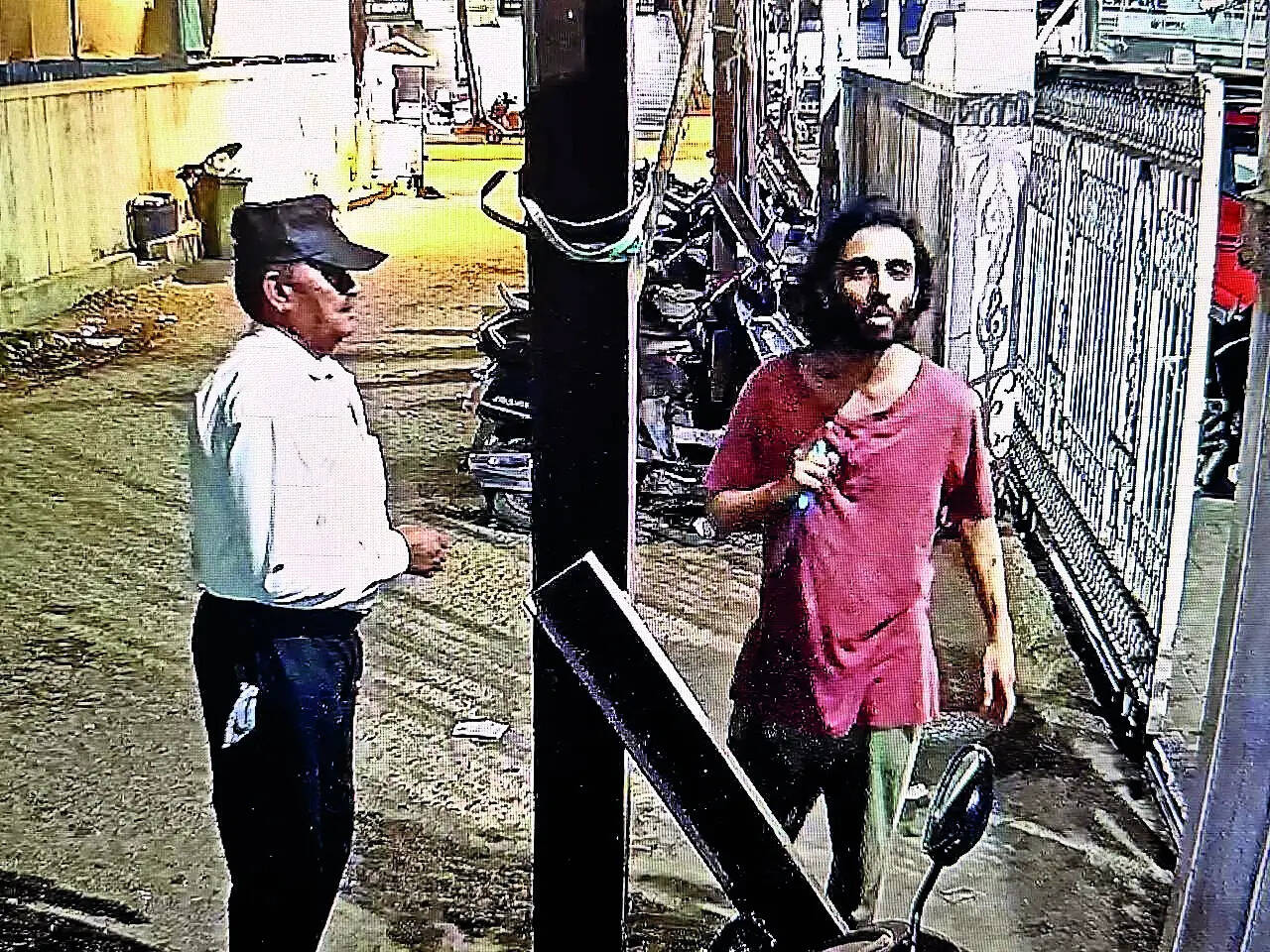
The attack took place when Zaib Zubair Ansari approached two security guards who were on duty. According to police reports, Ansari did not immediately attack. Instead, he began by asking them personal questions about their religion. He asked one guard if he followed the Hindu faith. He then turned to the second guard and demanded that he recite the "kalma," which is a specific religious prayer. When the situation escalated, Ansari used a knife to stab both men. The guards were taken for medical treatment, and the police moved quickly to take the suspect into custody.
Important Numbers and Facts
The investigation has revealed several key facts about the case. There were two victims in the attack, both of whom were working as security personnel at the time. The suspect, Zaib Zubair Ansari, is now in police custody and faces serious charges. Law enforcement officials are checking his digital devices, including his phone and computer, to see what kind of material he was viewing before the attack. The Chief Minister has officially labeled the suspect as "self-radicalized," which means he likely developed his extremist views through personal study rather than being part of a known terrorist cell.
Background and Context
This topic is important because it shows a shift in how security threats are managed in modern cities. In the past, security agencies focused on large organizations. However, "lone wolf" attacks are becoming a global concern. These incidents involve a single person who decides to commit a violent act based on a specific ideology. Mira Road is a busy residential and commercial area, making such an event even more shocking for the local community. Understanding how someone becomes radicalized on their own is now a major goal for police departments across the country. They want to find ways to stop these ideas from spreading before they lead to physical harm.
Public or Industry Reaction
The reaction from the public has been one of shock and a call for better security for workers. Many people are worried that religious identity is being used as a reason for violence. The Chief Minister spoke out about the incident, confirming that the state is taking the matter very seriously. He emphasized that the attacker acted alone and was influenced by radical ideas. Community leaders have also called for peace and urged people not to let such incidents divide the neighborhood. There is a strong demand for police to monitor social media platforms more strictly to catch signs of radicalization early.
What This Means Going Forward
Moving forward, the investigation will focus on Ansari's background and his connections. Police will try to find out if anyone else encouraged him or if he was truly acting entirely on his own. For the residents of Mira Road, there will likely be an increase in security presence for some time. This event may also lead to new training for security guards on how to handle suspicious individuals who ask personal or provocative questions. On a larger scale, the government may introduce new programs to counter online radicalization to prevent other individuals from following a similar path of violence.
Final Take
The attack in Mira Road is a reminder that security is not just about large-scale threats but also about the actions of single individuals. While the arrest was made quickly, the underlying issue of self-radicalization remains a challenge for society. It requires a combination of smart policing, community trust, and a focus on stopping the spread of hate-filled messages online. Keeping neighborhoods safe will depend on how well authorities can identify these risks before they turn into violent acts.
Frequently Asked Questions
What is a "lone wolf" attack?
A lone wolf attack is a violent act committed by a single person who acts alone. They are not part of a larger group and do not receive direct orders or help from an organization to carry out the crime.
What does "self-radicalized" mean?
Self-radicalized refers to a person who adopts extreme or violent beliefs on their own. This often happens by consuming extremist content on the internet, through social media, or by reading certain books without being recruited by a group in person.
What happened to the attacker in the Mira Road case?
The attacker, Zaib Zubair Ansari, was arrested by the police shortly after the incident. He is currently being held while authorities investigate his motives and check his background for any links to extremist ideologies.



