
Summary
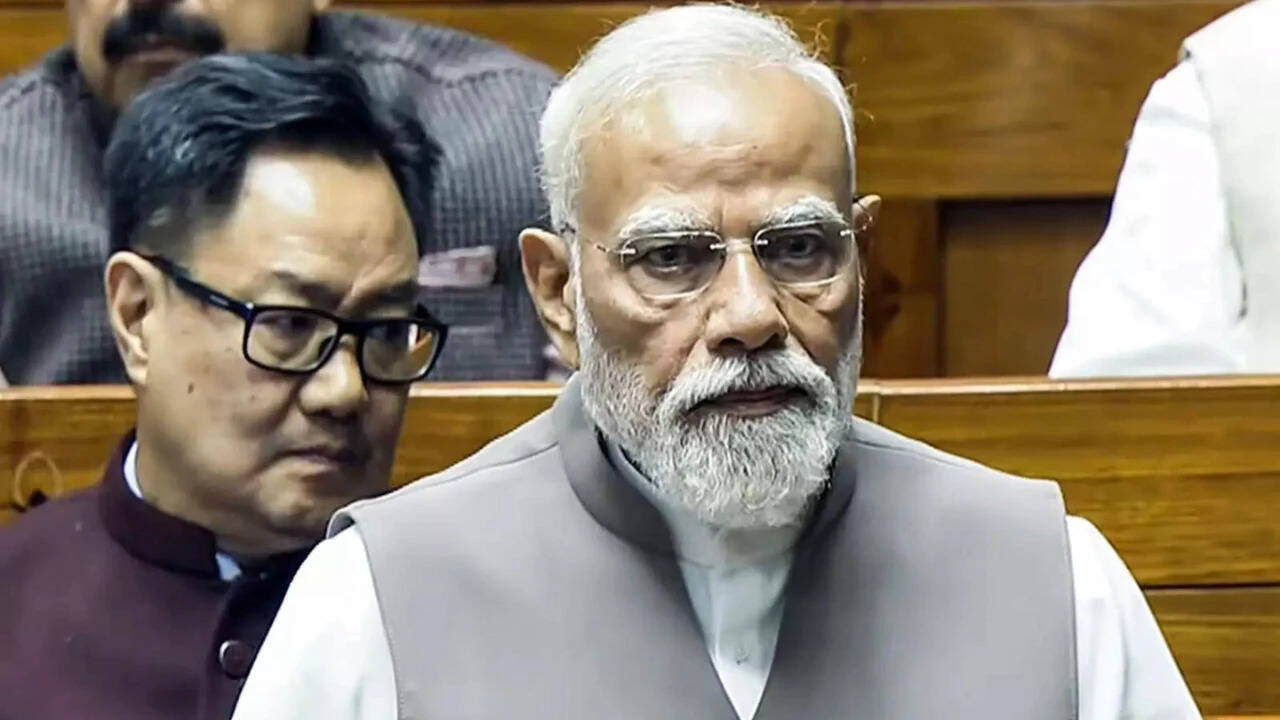
Prime Minister Narendra Modi has issued a strong warning regarding the ongoing crisis in the Middle East and its potential impact on India. He stated that the instability in that region is not just a foreign policy issue but a direct threat to India’s internal security. The Prime Minister highlighted how global conflicts can now trigger unrest within domestic borders due to digital connectivity. This warning serves as a call to action for security agencies to remain vigilant against outside influences that could disturb national peace.
Main Impact
The primary impact of the Middle East crisis on India involves the risk of radicalization and the spread of misinformation. When violence breaks out in the Middle East, images and videos circulate rapidly on social media. This content can be used by extremist groups to influence people within India. The government is concerned that these foreign tensions could lead to protests, communal friction, or even security breaches in Indian cities. By linking global events to local safety, the Prime Minister is shifting how the country views national defense in a connected world.
Key Details
What Happened
During a high-level security meeting with top police and intelligence officials, PM Modi explained that the world is more linked today than ever before. He pointed out that a conflict happening thousands of miles away can have an immediate effect on the streets of India. He specifically mentioned that the Middle East is a sensitive area because of India's deep economic and cultural ties to the region. The Prime Minister urged law enforcement to move beyond traditional policing and focus on the psychological and digital aspects of modern warfare.
Important Numbers and Facts
India has a significant stake in the stability of the Middle East. Approximately 9 million Indian citizens live and work in Middle Eastern countries. These workers send back billions of dollars in remittances every year, which supports the Indian economy. Furthermore, India imports over 80% of its crude oil, with a large portion coming from this region. Any prolonged conflict could lead to a sharp rise in fuel prices, causing inflation and economic stress for millions of Indian households. Security agencies are also monitoring thousands of social media accounts that have shown a spike in inflammatory content since the crisis began.
Background and Context
The Middle East has faced increasing violence over the past year, involving multiple countries and armed groups. For India, this region is vital for energy security and trade. In the past, India could remain somewhat isolated from distant wars. However, the rise of the internet and encrypted messaging apps has changed the situation. Now, propaganda can reach a person’s phone in a small Indian village within seconds of an event occurring in Gaza or Lebanon. This "borderless" flow of information means that foreign ideologies can quickly become local security challenges.
Public or Industry Reaction
Security experts have supported the Prime Minister’s assessment, noting that "lone wolf" attacks and sudden civil unrest are growing concerns. Many analysts believe that the government must increase its investment in cyber security to counter foreign propaganda. On the economic side, industry leaders are worried about trade routes. The attacks on ships in the Red Sea have already made shipping more expensive and slower. Business groups are calling for stronger maritime protection to ensure that goods continue to flow between India and the rest of the world without interruption.
What This Means Going Forward
Moving forward, India is likely to tighten its monitoring of online platforms to prevent the spread of hate speech linked to foreign wars. The government will also work closer with international partners to share intelligence on terror networks. We can expect to see a more proactive approach from the police in identifying potential hotspots for unrest before they escalate. Additionally, India may look to diversify its energy sources even further to reduce its dependence on a volatile Middle East, ensuring that the economy remains stable even if regional tensions continue to rise.
Final Take
The warning from the Prime Minister marks a significant moment in India's security strategy. It acknowledges that in the modern age, the line between foreign affairs and domestic safety has almost disappeared. Protecting the country now requires not just strong borders, but also a high level of digital awareness and social harmony. Staying alert to these global shifts is essential for maintaining the peace and economic growth that India has worked hard to achieve.
Frequently Asked Questions
How does a war in the Middle East affect India's safety?
A war in the Middle East can lead to radicalization through social media and cause domestic unrest. It also threatens the safety of millions of Indians living there and can lead to higher prices for fuel and goods at home.
Why is the internet a concern for internal security?
The internet allows misinformation and extremist propaganda to spread quickly. This can influence people to take part in protests or illegal activities based on events happening in other countries.
What is the government doing to stop these threats?
The government is asking security agencies to monitor digital platforms more closely and is working to improve cyber security. They are also focusing on maintaining communal harmony to prevent foreign conflicts from causing local divisions.



