
Summary
The Indian government recently organized a high-level meeting with leaders from various political parties to discuss the ongoing crisis in the Middle East. During the briefing, the government explained its strategy regarding the tensions between Iran, Israel, and the United States. Opposition leaders expressed their support for the government's actions, emphasizing the need for national unity during international conflicts. This meeting was vital for ensuring that India remains prepared for any economic or security challenges arising from the region.
Main Impact
The primary impact of this meeting is the creation of a unified national stance on foreign policy. In times of global instability, it is important for the ruling party and the opposition to work together. By sharing information with all parties, the government has reduced the risk of political infighting over international issues. This unity sends a strong message to the world that India is focused on protecting its interests, securing its energy needs, and ensuring the safety of its people living abroad.
Key Details
What Happened
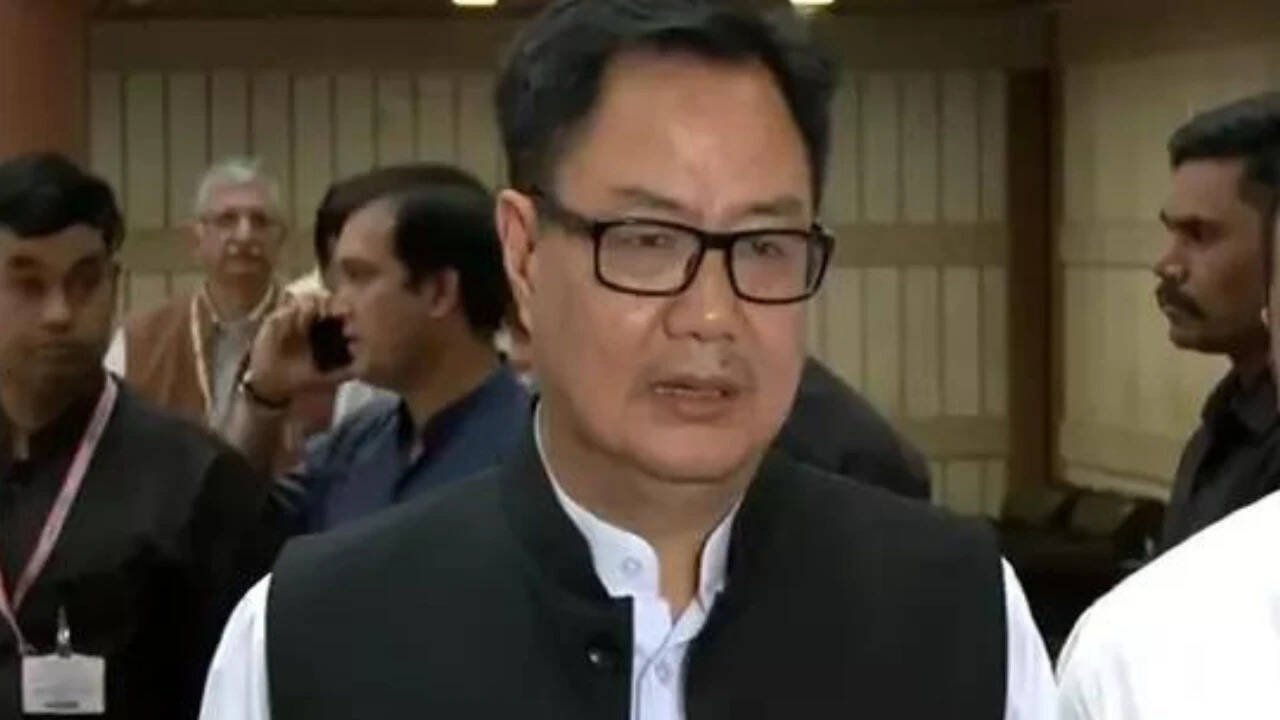
Parliamentary Affairs Minister Kiren Rijiju led the briefing, where he updated political leaders on the latest developments in the Middle East. The government shared details about the military and diplomatic situation involving Iran and Israel. The main goal was to explain how India is navigating these difficult waters. While the atmosphere was generally cooperative, the Trinamool Congress (TMC) chose to skip the meeting. Other leaders used the opportunity to ask questions about India's long-term plan if the conflict grows larger.
Important Numbers and Facts
The safety of Indian citizens was a major topic of discussion. Currently, there are more than 9 million Indian nationals living and working across the Middle East. Their protection is a top priority for the Ministry of External Affairs. Additionally, India relies on the region for a large portion of its energy. Any disruption in the Middle East could affect the price of oil and gas, which impacts the daily lives of everyone in India. The government assured the leaders that they are monitoring trade routes and supply chains to prevent any sudden economic shocks.
Background and Context
The Middle East has long been a sensitive area for Indian foreign policy. The region is not just a source of fuel; it is also a place where millions of Indians send money back home, helping the Indian economy. The current tension between Iran and Israel has created a risky situation for global trade. If the conflict spreads, it could block important sea routes that ships use to carry goods. India has maintained good relations with both Iran and Israel over the years, making its diplomatic position very delicate. The government’s goal is to encourage peace while making sure India’s own growth is not hurt by the fighting.
Public or Industry Reaction
Most political parties reacted positively to being included in the discussion. They appreciated the transparency shown by the government. However, some opposition members mentioned that while a private briefing is good, there should also be a formal debate in Parliament. They believe that the public deserves to hear a more detailed discussion on how the country will handle rising fuel costs or potential evacuations. Despite these small disagreements on the format of the talk, the general feeling was one of cooperation. Industry experts have also noted that such political unity helps keep the stock market stable during times of international worry.
What This Means Going Forward
Looking ahead, the Indian government will continue to use its diplomatic channels to call for a ceasefire and a return to talks. The Ministry of External Affairs will likely keep a 24-hour watch on the safety of Indian workers in the conflict zones. If the situation gets worse, the government may need to arrange special flights to bring citizens home, similar to what has been done in past crises. Economically, the government will work on building up oil reserves to protect the country from sudden price hikes. The support from the opposition gives the government the political strength to make tough decisions in the coming months.
Final Take
The all-party meeting shows that when it comes to global crises, India prefers a team effort. By bringing different political voices together, the government ensures that its foreign policy is strong and well-supported. While the situation in the Middle East remains unpredictable, India’s internal unity provides a solid foundation to face whatever challenges come next. Protecting citizens and the economy remains the clear and central focus of the nation's leadership.
Frequently Asked Questions
Why did the government hold an all-party meeting?
The meeting was held to inform all political leaders about the Middle East crisis and to build a common national strategy to protect India's interests.
What are the biggest risks for India in this conflict?
The main risks include the safety of millions of Indian workers in the region and the potential for rising oil prices that could hurt the economy.
Did all political parties agree with the government?
Most parties supported the government's steps, although the TMC did not attend the meeting and some leaders called for more discussion in Parliament.



