
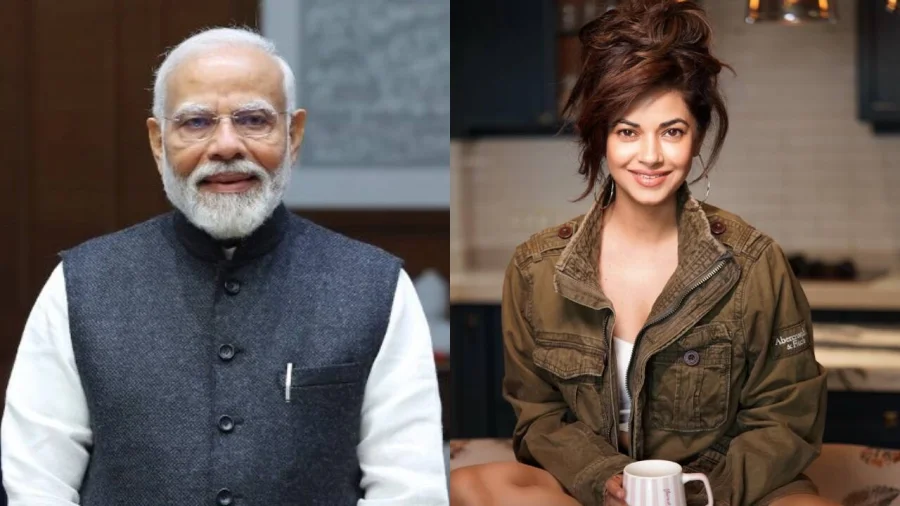
Actress Meera Chopra, known as Priyanka Chopra's cousin, has publicly condemned a protester for using abusive language against Prime Minister Narendra Modi during a student demonstration at Jantar Mantar in Delhi. The incident has sparked debate over the boundaries of protest and political discourse in India.
What Meera Chopra Said About the Abusive Language
In a social media post, Meera Chopra expressed her disapproval of the protester's conduct, questioning the behavior of the youth involved. She emphasized that while dissent is a democratic right, using foul language against the Prime Minister crosses a line. "Disagreement is fine, but abusive language is unacceptable," she wrote, urging protesters to maintain dignity.
Why This Matters: The Fine Line Between Protest and Decorum
The incident underscores a growing tension in Indian student activism. While thousands have gathered at Jantar Mantar to demand reforms in examination systems and address alleged irregularities, the use of abusive language risks alienating public sympathy. Meera Chopra's stance reflects a broader concern among public figures about maintaining civil discourse even in heated protests.
Meera Chopra's Previous Support for Student Concerns
This is not the first time Meera Chopra has weighed in on the student protests. Earlier, she had supported the students' genuine concerns over exam irregularities and warned against political exploitation of the movement. Her balanced approach—backing the cause while condemning abusive tactics—has drawn attention from both supporters and critics.
Who Is Affected: Students, Public Figures, and Political Discourse
The Jantar Mantar protests, driven by students from various states, have become a flashpoint for debates on education policy and freedom of expression. Meera Chopra's comments affect how young activists perceive public scrutiny. Several film personalities have also backed the students' peaceful dialogue appeals, amplifying the call for reform without resorting to personal attacks.
Official and Public Reactions to the Incident
While no official government statement has been issued specifically on Meera Chopra's remarks, the incident has been widely discussed on social media. Supporters of the Prime Minister have praised her for taking a stand, while some student groups argue that frustration over systemic failures can lead to emotional outbursts. The actress has not responded to further queries.
Analysis: What This Reveals About Student Protests in India
The clash between legitimate grievances and unacceptable behavior is a recurring theme in Indian protests. Meera Chopra's intervention highlights how public figures navigate this terrain—supporting causes while holding protesters accountable for their methods. It also reflects the polarized nature of political discourse, where even a single abusive remark can dominate headlines.
Confirmed Facts vs What Remains Unclear
Confirmed: Meera Chopra condemned abusive language against PM Modi at a Jantar Mantar protest. She had earlier supported student concerns. Unclear: The identity of the protester, the exact words used, and whether any legal action will follow. The broader context of the protest—demands for exam reforms—remains the central issue.
Risks and Balanced View
Critics argue that focusing on a single protester's language distracts from the systemic issues driving the protests. Supporters say maintaining decorum is essential for the movement's credibility. The risk is that such incidents could polarize public opinion, weakening the students' cause. A balanced view recognizes both the right to protest and the responsibility to do so respectfully.
Wider Trend: Public Figures and Political Accountability
Meera Chopra's stance fits a broader pattern of celebrities and influencers engaging with political issues while drawing lines on acceptable behavior. From Bollywood to social media, public figures are increasingly called upon to comment on protests, often facing backlash from both sides. This trend reflects India's evolving public sphere where every voice is scrutinized.
Practical Guidance for Students and Activists
For students involved in protests, Meera Chopra's remarks serve as a reminder: focus on the message, not personal attacks. Use peaceful dialogue, clear demands, and respectful language to build public support. Avoid actions that can be used to discredit the movement. Engage with media and public figures constructively to amplify genuine concerns.
Future Outlook
The Jantar Mantar protests are likely to continue as students press for reforms. Meera Chopra's intervention may encourage other public figures to speak out on protest conduct. The government's response to the core demands—examination irregularities and systemic changes—will determine whether the movement gains traction or fades. The incident may also prompt discussions on protest etiquette in India.
Our Take
Meera Chopra's condemnation of abusive language is a reminder that effective protest requires discipline. While student grievances are valid, the movement's credibility hinges on peaceful, respectful action. This story matters because it tests how India balances dissent with decorum—a challenge that will define future activism.
Frequently Asked Questions
Who is Meera Chopra?
Meera Chopra is an Indian actress and the cousin of Priyanka Chopra. She has appeared in Tamil, Telugu, and Hindi films and is known for her social media presence.
What did Meera Chopra say about the protester?
She condemned the use of abusive language against Prime Minister Narendra Modi during a student protest at Jantar Mantar, calling it unacceptable while supporting the students' genuine concerns.
Why are students protesting at Jantar Mantar?
Students are protesting alleged examination irregularities and demanding systemic reforms in education. The protests have drawn support from various public figures.
What is the significance of this incident?
It highlights the tension between legitimate protest and maintaining political decorum, with implications for how student movements are perceived by the public and authorities.



