
Summary
Russia carried out a massive air attack against Ukraine, using nearly 400 drones and dozens of missiles in a single night. This heavy bombardment resulted in the deaths of at least five people and caused significant damage to the country's power systems. The strikes specifically targeted energy infrastructure, including vital power links that connect Ukraine to the rest of Europe. This event marks a major escalation in the ongoing conflict and follows several warnings from Ukrainian officials about potential large-scale attacks.
Main Impact
The primary impact of this attack is the severe damage to Ukraine's energy grid. By hitting power plants and transmission lines, the strikes have threatened the stability of electricity supplies for millions of people. Beyond the local impact, the damage to energy links connected to Europe could disrupt power sharing across borders. This strategy appears aimed at weakening the country's economy and making daily life harder for civilians as the conflict continues.
Key Details
What Happened
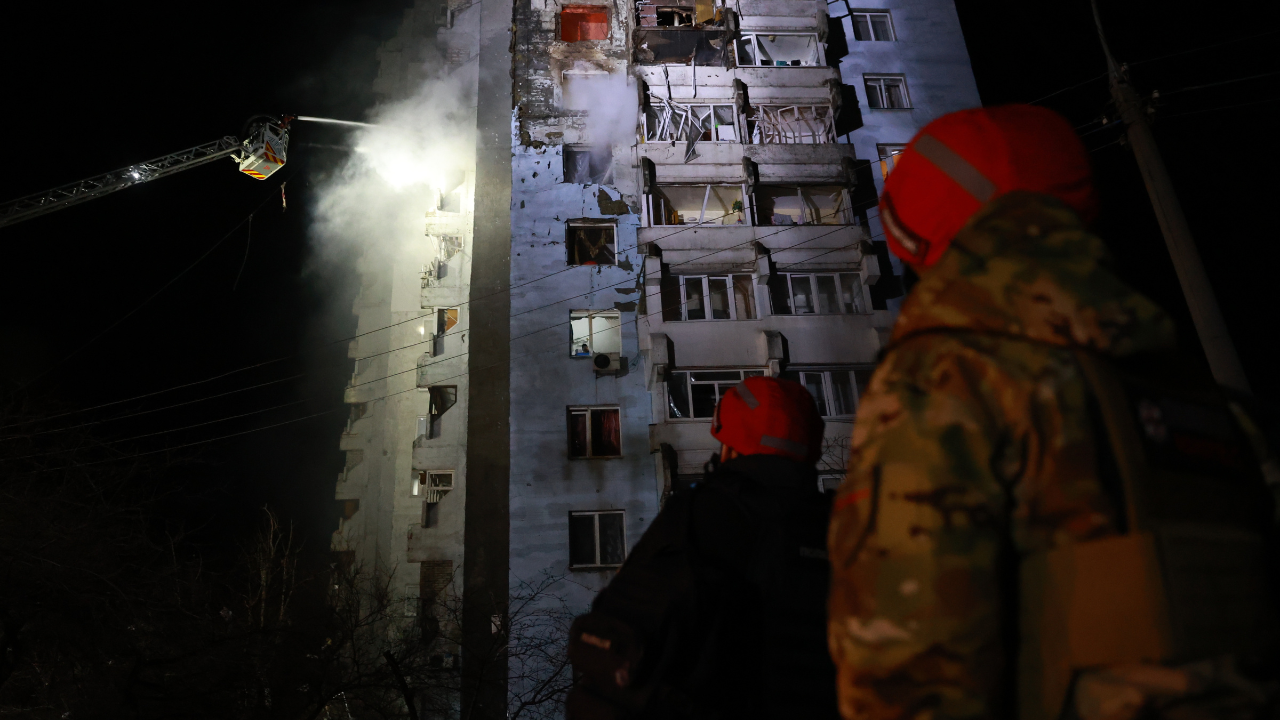
During the late hours and early morning, Russian forces launched a coordinated strike across multiple regions of Ukraine. The attack involved a combination of slow-moving explosive drones and high-speed missiles. This mix of weapons is often used to confuse and overwhelm air defense systems. While many of the incoming threats were shot down, the sheer volume of the attack meant that several reached their targets. Emergency services were deployed immediately to put out fires and search for survivors in the ruins of damaged buildings.
Important Numbers and Facts
The scale of the operation was one of the largest seen in recent months. According to reports, Russia used 392 drones and 34 missiles during the barrage. At least five people were confirmed dead shortly after the strikes, and many others were injured. The attacks hit multiple regions, showing that the operation was not limited to the front lines but was intended to strike deep into the country. This follows a period of increased cross-border activity where both sides have been using long-range weapons more frequently.
Background and Context
Targeting energy infrastructure has been a recurring tactic throughout this war. By destroying the means to produce and move electricity, an attacking force can disable factories, hospitals, and water systems. Ukraine had been preparing for such an event, as intelligence reports suggested that Russia was stockpiling drones and missiles for a major push. This latest strike shows that despite international pressure, the air war is becoming more intense. The use of nearly 400 drones in one night suggests that production of these low-cost weapons has increased significantly.
Public or Industry Reaction
Ukrainian officials have reacted with calls for more advanced air defense systems from their international partners. They argue that while their current defenses are effective, they cannot stop every single threat when hundreds are launched at the same time. Energy experts are also expressing concern about the long-term health of the power grid. Repairing high-voltage equipment is difficult and expensive, and repeated attacks make it hard to maintain a steady supply of power. International observers have noted that hitting energy links to Europe could have wider consequences for regional energy security.
What This Means Going Forward
Looking ahead, this attack suggests that the conflict will continue to see high-volume drone and missile strikes. Ukraine will likely focus on repairing its power grid while also looking for ways to strike back at the locations where these drones are launched. There is a high risk that more attacks like this will occur, especially as both sides try to gain an advantage through air power. For the civilian population, this means continued uncertainty regarding electricity and heating. The international community will likely face more pressure to provide technical and military aid to help Ukraine protect its vital services.
Final Take
The use of such a massive number of drones and missiles highlights a shift in the way this war is being fought. It is no longer just about ground movements; it is about a sustained effort to break the infrastructure that keeps a modern country running. The high number of drones used in this single event shows that the scale of air attacks is reaching new levels, requiring even stronger defense measures to protect human lives and essential services.
Frequently Asked Questions
How many drones and missiles were used in the attack?
Russia used a total of 392 drones and 34 missiles in this specific overnight operation against Ukraine.
What was the main target of the strikes?
The strikes mainly targeted critical energy infrastructure, including power plants and electricity links that connect Ukraine to Europe.
How many people were killed in the bombardment?
At least five people were reported dead following the attacks, with many others injured as buildings and infrastructure were hit.

