
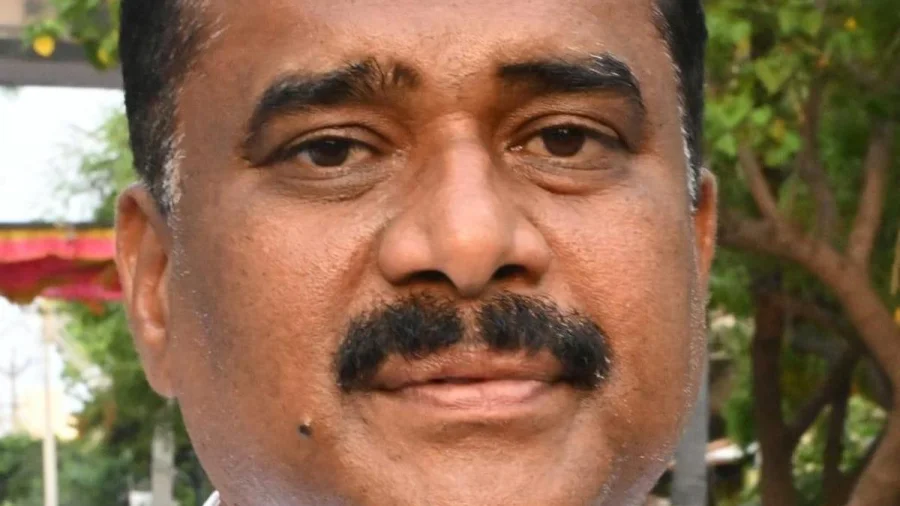
The Madras High Court has granted bail to Vilathikulam DMK MLA Markandayan in a case arising from his speech against the Tamil Nadu Chief Minister. But the relief is not unconditional — the court wants a written promise from the legislator before it lets the matter rest.
Bail is granted — but the court binds the MLA's next words
Justice G.K. Ilanthiraiyan ordered that Markandayan file an affidavit before the Thoothukudi judicial magistrate. In that affidavit, the MLA must undertake that he will not make such speeches in the future.
The condition effectively puts Markandayan on notice. He is free for now, but a similar speech later could be treated as a violation of a commitment made to the court.
Why a legislator's speech became a court case
The case stems from remarks made by the DMK MLA against the Tamil Nadu Chief Minister. What began as political rhetoric has now travelled through the criminal justice system — from complaint to court order.
For elected representatives, speech sits at the centre of their public role. This case is a reminder that when a speech crosses a legal threshold, the courtroom becomes the next arena.
What the affidavit condition actually means for Markandayan
The affidavit is not a formality. It is a binding undertaking placed on record, and the prosecution can rely on it if the MLA makes a similar speech again.
For a politician whose daily work depends on addressing rallies, the media, and the assembly, this is a meaningful restriction. It does not silence him entirely — it narrows the line he must not cross.
Free speech vs. legal restraint: two ways to read this order
Supporters of the MLA may see the condition as a curb on legitimate political criticism. Legal observers, conversely, would note that courts routinely impose such conditions to protect the dignity of constitutional offices and maintain public order.
Both readings carry weight. The balancing of these interests will ultimately be tested as the main case proceeds.
Confirmed facts versus what is still unclear
What is confirmed: the bail order, the court, the judge, and the affidavit condition. What remains unclear from the available wire copy — the exact words of the speech, where and when it was delivered, who filed the complaint, and the current stage of the trial.
The supplied headline describes the speech as directed against the Chief Minister. The name as printed in the wire copy could not be independently verified against official records, so this article refers to the office rather than the individual.
Courts and political speeches: a familiar pattern
Indian courts have repeatedly been asked to decide where political speech ends and criminal speech begins. Bail conditions involving written undertakings of good conduct are now common in cases concerning public figures.
The Markandayan order fits that broader pattern: grant liberty, but attach guardrails. It is a middle path courts often take when the alleged offence involves words rather than violence.
What happens next in the case
Markandayan must now approach the Thoothukudi judicial magistrate and file the affidavit as directed. After that, the underlying case will continue on its own course.
No party response was available in the supplied copy, and the wire copy does not indicate whether the prosecution opposed the bail plea or what arguments were made on either side.
Our Take
Bail is not a clean chit. Markandayan is out of custody, but the undertaking he must sign quietly redraws the boundary of his speech. In a democracy, a legislator's sharpest tool is language — and in this instance, a court has set its limits.
The larger question is consistency. If this legal standard applies to one MLA's speech against the Chief Minister, it must apply evenly to political speech across the spectrum. That test will matter more than this single bail order.
Frequently Asked Questions
Why was DMK MLA Markandayan granted bail?
The Madras High Court granted bail to Vilathikulam DMK MLA Markandayan in a case linked to his speech against the Tamil Nadu Chief Minister. Justice G.K. Ilanthiraiyan allowed the bail plea with specific conditions.
What condition did the court impose on Markandayan?
The court directed him to file an affidavit before the Thoothukudi judicial magistrate undertaking that he will not make such speeches in the future.



