Summary
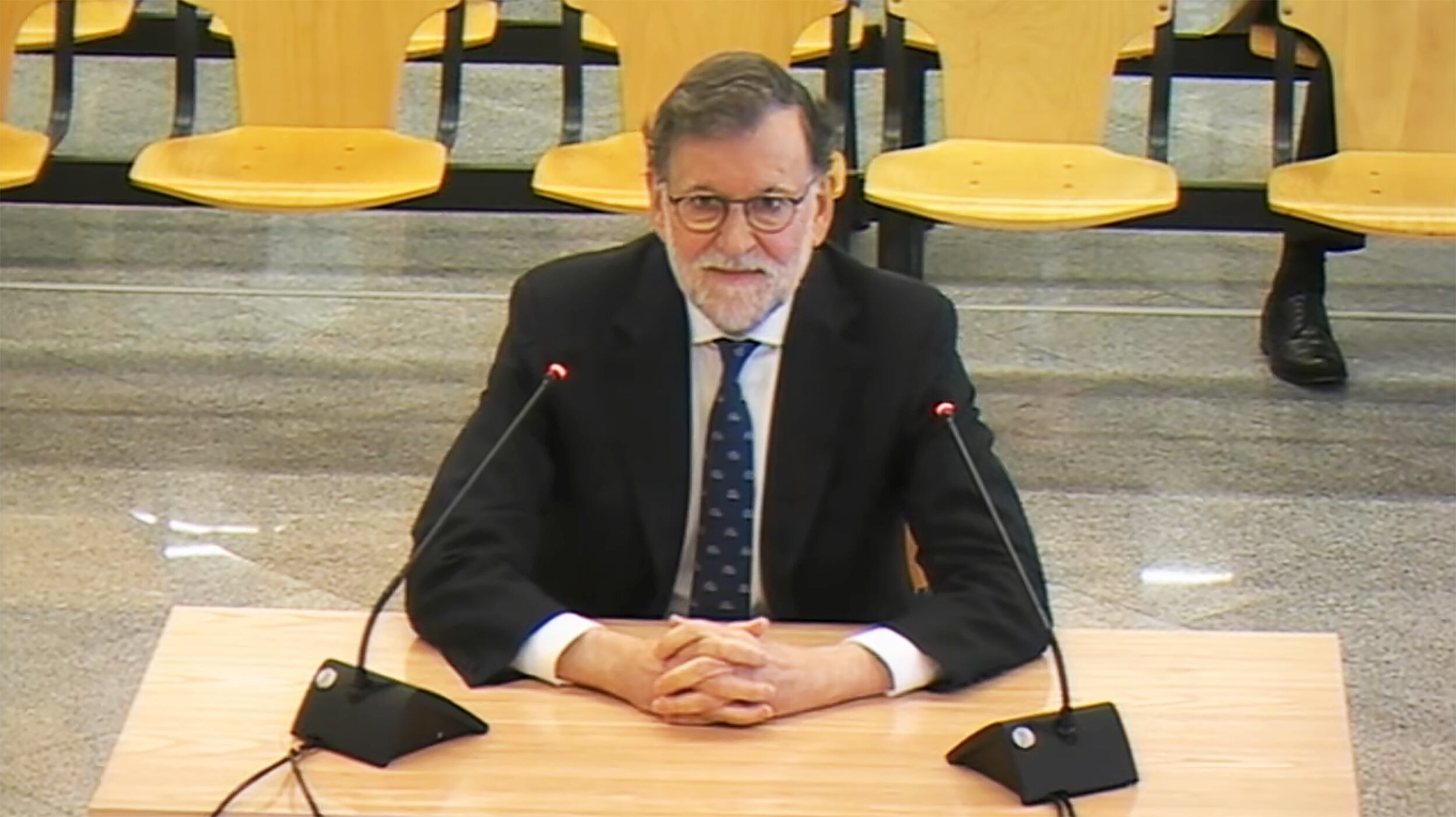
Former Spanish Prime Minister Mariano Rajoy appeared in court on Thursday to testify in the high-profile "Kitchen Case." During his testimony, Rajoy strongly denied any knowledge of illegal accounting within his political party. He also rejected claims that he ordered a secret operation to spy on the party's former treasurer, Luis Bárcenas. This trial is a major moment in Spanish politics as it looks into allegations of government resources being used for party interests.
Main Impact
The testimony from Mariano Rajoy is a critical turning point in the Kitchen Case trial. By denying the existence of "B" accounting—a term used for secret, unofficial bookkeeping—Rajoy is directly challenging the evidence provided by other key figures. If the court believes Rajoy, it could change the direction of the investigation into how the People’s Party (PP) managed its finances. However, his statements also create a clear conflict with the testimony of Luis Bárcenas, who claims Rajoy was personally involved in receiving illegal cash payments.
Key Details
What Happened
During the court session at the Audiencia Nacional, Rajoy was asked about specific events described by Luis Bárcenas earlier in the week. Bárcenas had claimed that he recorded a meeting in Rajoy’s office where he handed over a secret accounting sheet and an envelope containing extra money. Rajoy told the court that these claims were completely false. He stated that he never received such documents or money and that no such recording could exist because the event never happened.
Rajoy also addressed the "Kitchen" operation itself. This operation allegedly involved police officers spying on Bárcenas to recover documents that could hurt the People’s Party. Rajoy testified that he never ordered any surveillance on the former treasurer. He explained that his relationship with Bárcenas was strictly professional and ended completely once it was revealed that Bárcenas held millions of euros in secret bank accounts.
Important Numbers and Facts
The trial involves several significant figures and dates that define the scope of the corruption scandal:
- 48 Million Euros: The amount of money Rajoy mentioned was found in Luis Bárcenas’s Swiss bank accounts, which led to their falling out.
- April 23, 2026: The date of Rajoy’s testimony in the current trial.
- The Nicknames: Rajoy was asked if he was referred to by code names like "the Bearded One" (el Barbas) or "the Asturian" (el Asturiano) in secret police documents. He denied this, stating his name is simply Mariano Rajoy.
- Other Witnesses: Former Interior Minister Juan Ignacio Zoido and former PP Secretary General María Dolores de Cospedal were also scheduled to speak during this phase of the trial.
Background and Context
The Kitchen Case is part of a much larger web of corruption investigations in Spain known as the Gürtel case. For years, investigators have looked into whether the People’s Party used a secret fund to pay bonuses to its leaders and fund election campaigns. The specific "Kitchen" part of the scandal focuses on the alleged use of the Ministry of the Interior and police resources to protect the party from these investigations.
It is called the "Kitchen Case" because the informant used by the police was the chauffeur of the Bárcenas family, who was given the code name "K2" or "the Cook." The goal of the operation was allegedly to steal documents from Bárcenas before they could be handed over to judges. This topic matters because it involves the potential misuse of public money and police power to cover up political crimes.
Public or Industry Reaction
The reaction to Rajoy’s testimony has been divided. Supporters of the former Prime Minister see his clear denials as proof that the accusations against him are based on the lies of a convicted criminal, Luis Bárcenas. They argue that Rajoy is a victim of a smear campaign. On the other hand, political opponents and legal experts point out the contradictions between Rajoy’s statements and the testimony of other officials who have already spoken in court. The public remains highly interested in the case, as it represents a period of Spanish history marked by deep distrust in political institutions.
What This Means Going Forward
The trial will continue with more testimonies from high-ranking officials. The court must now weigh Rajoy’s denials against the evidence provided by the prosecution and other witnesses. If more evidence emerges that supports the existence of the "Kitchen" operation, it could lead to serious legal consequences for those involved in the Ministry of the Interior at the time. For the People’s Party, the trial is a constant reminder of past scandals that they have been trying to move away from for several years. The final verdict will likely have a major impact on how the public views the integrity of the Spanish government during that era.
Final Take
Mariano Rajoy’s appearance in court highlights the long-lasting impact of the corruption scandals that have followed the People’s Party for over a decade. While he remains firm in his denials, the legal process is slowly uncovering the complicated relationship between political power and police operations in Spain. The truth behind the "Kitchen Case" will eventually depend on whether the court finds the documents and witness accounts more convincing than the denials of a former leader.
Frequently Asked Questions
What is the Kitchen Case?
The Kitchen Case is a legal investigation into an alleged illegal police operation. It is claimed that the operation was created to steal damaging documents from Luis Bárcenas, the former treasurer of the People’s Party, to prevent them from being used in corruption trials.
Why did Mariano Rajoy testify?
Rajoy testified as a witness because he was the Prime Minister and the leader of the People’s Party during the time the alleged spying took place. The court wanted to know if he had any knowledge of the operation or the party's secret accounting.
What is "B" accounting?
In this context, "B" accounting refers to an unofficial set of financial records. It is alleged that the People’s Party kept these secret books to track illegal donations from businesses and cash payments made to party leaders.