
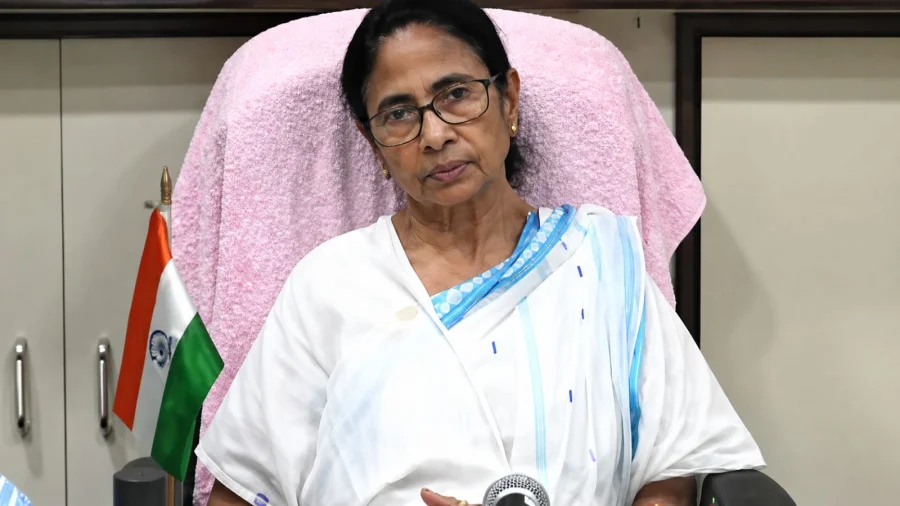
West Bengal, in Mamata Banerjee's telling, is no longer just a state fighting the Centre — it is a "mega prison". The Chief Minister chose the sharpest possible metaphor to attack the BJP, and then went further: she called for a "mass movement". The words are inflammatory by design. The question now is what follows them.
A 'mega prison' charge and a call to rise
According to the original story, Banerjee said Bengal has been "turned into a mega prison" and blamed the BJP for it. She followed up with an appeal for a "mass movement" — language that goes beyond routine political criticism.
The remark borrows from the vocabulary of oppression and resistance. It frames the relationship between the central government and the state as one of confinement, not cooperation.
Why the 'mega prison' metaphor matters
Metaphors matter in Indian politics because they set the emotional register of a campaign. "Mega prison" is not a policy critique; it is a moral accusation. It invites supporters to see themselves not as voters but as prisoners seeking release.
That framing is deliberately emotive. It also raises the stakes for the BJP, which will feel compelled to respond in kind or dismiss the remark as rhetoric.
Context: a confrontation years in the making
Banerjee's attack does not exist in a vacuum. Since the Trinamool Congress defeated the BJP in the 2021 West Bengal assembly election, the two parties have been locked in an unbroken cycle of political and legal conflict.
Central investigating agencies have probed several figures linked to the state administration — a pattern the TMC has consistently described as political vendetta. In this context, the prison metaphor taps into an existing narrative of central overreach.
Who feels the impact
Beyond the politicians, the rhetoric lands among ordinary Bengalis — voters who will hear the "mass movement" call in markets, on rideshares, and at family dinners. It reshapes how people talk about the state's future.
It also puts district-level



