
Summary
West Bengal Chief Minister Mamata Banerjee recently shared a strong message during the Bengali New Year, known as Poila Baisakh. She called on the people of the state to stand up against leaders in Delhi, whom she described as "zamindars" or powerful landlords. Her message focused on protecting the right to vote and keeping the state’s culture safe from outside pressure. She urged citizens to stay united and use their democratic power to respond to those who try to divide the community.
Main Impact
The main impact of this message is the clear divide it creates between the state government of West Bengal and the central government in Delhi. By using the term "zamindars," Mamata Banerjee is framing the upcoming elections as a fight between local people and powerful outsiders. This strategy is designed to stir up local pride and encourage voters to see the election as a way to protect their own identity. It also highlights the ongoing tension over how much control the central government should have over individual states.
Key Details
What Happened
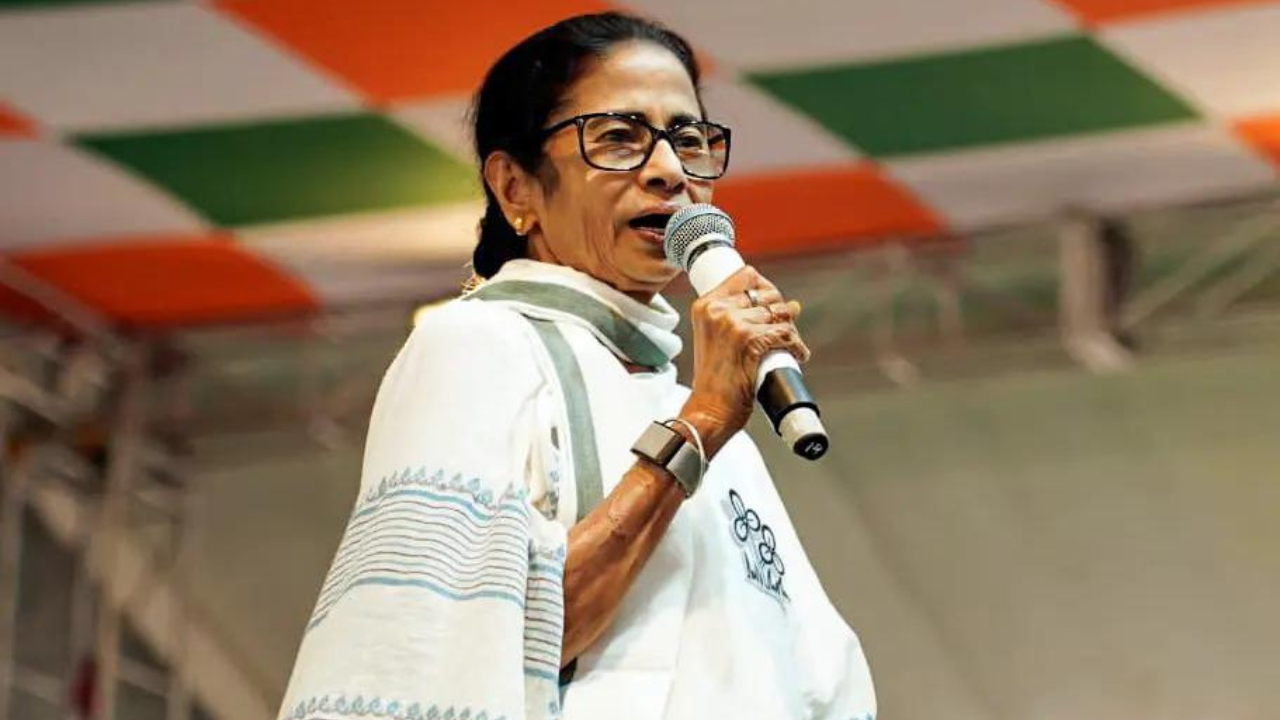
During the celebrations for the Bengali New Year, Mamata Banerjee issued a public statement that was both a greeting and a political call to action. She told her supporters and the general public that they must give a "befitting reply" to the central government through their votes. She expressed concern that certain forces are trying to take away the rights of the people and disrupt the peace in Bengal. Her speech was a direct appeal for people to support her party, the Trinamool Congress (TMC), in the upcoming elections.
Important Numbers and Facts
The message comes at a critical time as the state prepares for major elections. West Bengal is one of the most politically active states in India, with millions of voters participating in the process. The Chief Minister focused on the idea of communal harmony, which has been a long-standing part of Bengal’s history. She warned that divisive forces are trying to break this unity. The use of the word "zamindar" is significant because, in Indian history, it refers to wealthy landlords who often exploited common people. By using this word, she is suggesting that the central government is acting like an old-fashioned, unfair ruler.
Background and Context
To understand why this message matters, it is important to look at the relationship between West Bengal and the central government. For several years, there has been a lot of disagreement over things like government funding, the role of federal agencies, and cultural differences. The Trinamool Congress often claims that the central government, led by the BJP, does not understand or respect the unique culture of Bengal. On the other hand, central leaders often accuse the state government of not following national rules.
Poila Baisakh is the most important cultural festival for Bengalis. It marks the start of a new year and is a time for new beginnings. Using this day to send a political message is a common tactic in India. It allows leaders to connect with people on an emotional and cultural level. By linking the survival of Bengali culture to the outcome of the election, the Chief Minister is making the vote about more than just politics; she is making it about the state's way of life.
Public or Industry Reaction
The reaction to the Chief Minister's message has been split along political lines. Supporters of the Trinamool Congress have praised the speech, saying it shows strong leadership and a commitment to protecting the state. They believe that the central government has been too bossy and that a strong response is needed. Many people in the state feel a strong sense of regional pride and agree with the idea that Bengal should be run by its own people without too much interference from Delhi.
However, critics and members of the opposition parties have a different view. They argue that using words like "zamindars" is a way to scare people and create unnecessary conflict. They claim that the Chief Minister is using the New Year festival to distract people from local issues like jobs and infrastructure. Some political experts also point out that this kind of language can make the political environment more tense and lead to more arguments between different groups of people.
What This Means Going Forward
Looking ahead, this message suggests that the upcoming elections in West Bengal will be very intense. The focus will likely remain on the "insider versus outsider" debate. We can expect to see more speeches where local identity is put at the center of the campaign. The central government will likely respond by trying to show that they are working for the development of the whole country, including Bengal. The real test will be on election day, when the voters decide if they agree with the Chief Minister’s view of the central government.
There is also a risk that this kind of political talk could lead to more social tension. When leaders talk about "divisive forces," it can sometimes make people more suspicious of each other. However, if the focus stays on protecting democratic rights and voting, it could lead to a very high turnout at the polls. Both sides will be watching the public's reaction very closely in the coming weeks.
Final Take
Mamata Banerjee has once again shown that she is a master of using cultural symbols for political goals. By turning a New Year greeting into a call for democratic resistance, she has set the stage for a major political battle. Whether the people of Bengal see the central government as "zamindars" or as partners in development will be the most important question in the months to follow. This situation shows how deeply politics and culture are linked in India today.
Frequently Asked Questions
What does the word "zamindar" mean in this context?
In this context, the word is used as a metaphor. Historically, zamindars were powerful landlords. Mamata Banerjee used the term to describe the central government as being bossy, unfair, and acting like they own the state and its people.
Why did the Chief Minister choose the New Year for this message?
The Bengali New Year, or Poila Baisakh, is a time of great cultural pride. By giving her message on this day, she connects her political goals with the cultural identity of the people, making her appeal more emotional and powerful.
What is the main goal of this speech?
The main goal is to encourage people to vote for the Trinamool Congress (TMC). She wants to convince voters that her party is the only one that can protect Bengal's culture and rights from the influence of the central government in Delhi.



