
Summary
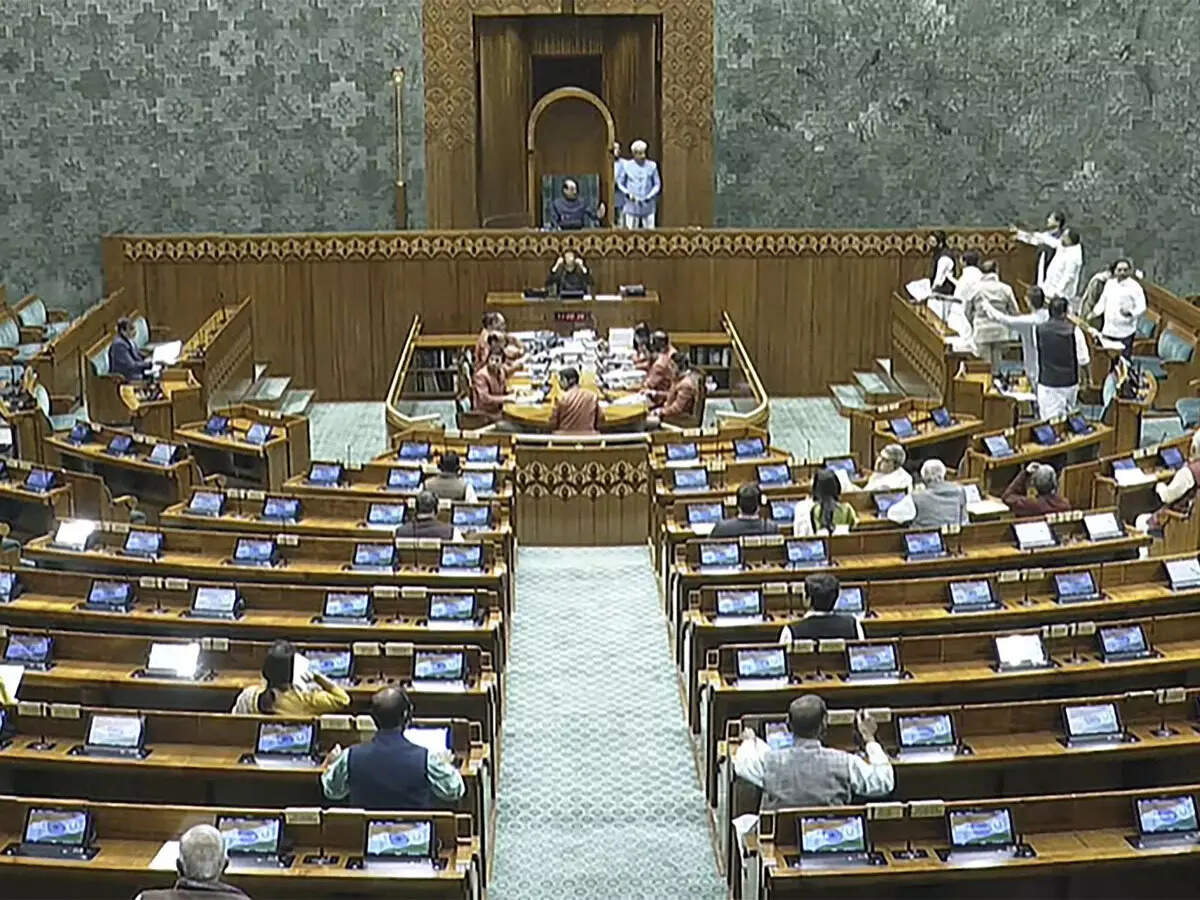
The Lok Sabha is preparing for a major political confrontation as the second phase of the Budget Session begins. Both the ruling Bharatiya Janata Party (BJP) and the main opposition party, the Indian National Congress, have issued strict orders to their members. These orders, known as three-line whips, require all Members of Parliament (MPs) to be present in the House from March 9 to March 11. The main reason for this urgent call is a notice filed by the opposition seeking the removal of Speaker Om Birla from his position. This move marks a significant moment in the current political season, as it challenges the leadership of the lower house of Parliament.
Main Impact
The primary impact of these whips is the guarantee of a full house during a very tense period. When a party issues a three-line whip, it signals that a vote or a discussion of extreme importance is about to take place. By forcing all members to attend, both the government and the opposition are preparing for a numbers game. If the notice against Speaker Om Birla is officially taken up for discussion, it could pause the regular business of the Budget Session. This situation creates a high-pressure environment where every single vote counts, potentially affecting how laws and financial plans are handled in the coming days.
Key Details
What Happened
The opposition parties have come together to submit a formal notice to remove Om Birla from his role as the Speaker of the Lok Sabha. Under the rules of the House, such a notice requires a specific process to be followed before it can be debated. The ruling BJP is moving quickly to protect the Speaker, while the Congress and its allies are pushing to have their grievances heard. The tension has reached a point where both sides feel they cannot afford to have even one member missing from the session.
Important Numbers and Facts
The critical period for this activity is set between March 9 and March 11, 2026. A "three-line whip" is the strongest instruction a political party can give to its members. It is called a three-line whip because the instruction in the letter is literally underlined three times to show its importance. In the Indian parliamentary system, if an MP violates this whip without a valid medical or personal emergency, they can face strict penalties. This includes being expelled from their party or even losing their seat in Parliament under the anti-defection law.
Background and Context
The Speaker of the Lok Sabha holds a very important job. This person is supposed to be an independent official who makes sure that debates are fair and that everyone follows the rules of the House. However, the opposition has frequently claimed that the current leadership is not giving them enough time to speak or is favoring the government's side during heated debates. This notice to remove the Speaker is a tool used by the opposition to show their lack of confidence in how the House is being managed. While such notices are rare, they are a part of the democratic process used to hold high-ranking officials accountable.
Public or Industry Reaction
Political observers and experts are watching this development closely. Many see this as a sign of a deepening divide between the government and the opposition. While the government views the notice as a distraction from important financial work, the opposition sees it as a necessary step to protect the rights of minority parties in Parliament. There is also concern among the public that these political battles might delay the passing of the national budget and other important laws that affect the daily lives of citizens. The atmosphere in the capital is one of high anticipation as both sides prepare their arguments.
What This Means Going Forward
The next few days will be a test of strength for both the government and the opposition. If the government successfully defends the Speaker, it will show that they have a firm grip on the House. If the opposition manages to create a strong debate, it could change the way the Lok Sabha is run for the rest of the session. Regardless of the outcome, this event will likely lead to more strict rules and more frequent use of whips as parties try to keep their members in line. The focus will eventually have to return to the Budget, but the political scars from this fight may last for a long time.
Final Take
This showdown in the Lok Sabha is more than just a disagreement over rules; it is a battle for control and influence within India's highest legislative body. The use of three-line whips by both the BJP and Congress shows that neither side is willing to give an inch. As the session moves into this critical phase, the focus remains on whether the House can move past this conflict to address the country's financial and social needs. The events of March 9 to 11 will set the tone for the remainder of the year in Indian politics.
Frequently Asked Questions
What is a three-line whip in Parliament?
A three-line whip is a strict instruction issued by a political party to its members. it requires them to attend a session and vote according to the party's direction. It is the most serious type of order a party can give.
Can a Speaker of the Lok Sabha be removed easily?
No, removing a Speaker is a serious process. It requires a formal notice and a majority vote by the members of the Lok Sabha. The process is designed to ensure that the Speaker cannot be removed for simple political disagreements.
Why did the BJP and Congress both issue whips at the same time?
Both parties issued whips because they expect a crucial vote or a very important discussion regarding the Speaker. The BJP wants to ensure the Speaker stays in power, while the Congress wants to ensure all its members are present to support the notice for removal.



