
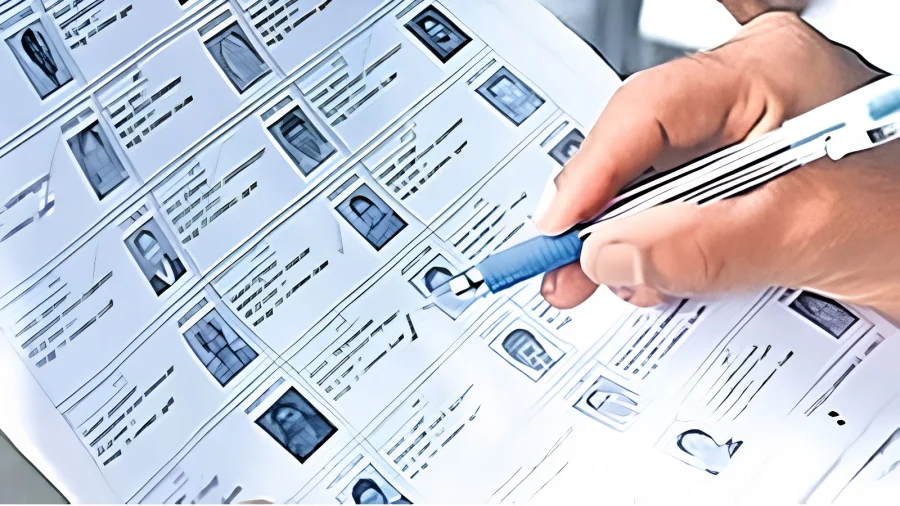
Imagine checking the electoral roll before an election — and discovering your name no longer exists. That is the frightening prospect raised by the report that nearly 90% of voters have been deleted from certain seats in Maharashtra's SIR draft electoral roll. For voters in those constituencies, the personal stakes could not be higher: without a name on the final roll, there is no vote.
What the report actually says about the SIR draft roll
The central claim, as reported, is stark: in specific seats covered by Maharashtra's SIR draft electoral roll revision, close to nine out of every ten voters have been removed from the draft list.
What is missing from the available information is equally important — the identities of "these seats," the exact voter numbers involved, and the logic behind such sweeping deletions.
Why a 90% deletion rate would be extraordinary
Routine electoral roll revisions remove voters for legitimate reasons: death, permanent migration out of a constituency, or duplicate entries. Even in intensive clean-up drives, deletion rates normally hover in single digits.
A near-90% removal rate would effectively mean that a constituency's electoral base has been wiped out overnight. That is not a routine cleaning; it is a structural event with the potential to reshape an election. Such a scale would demand an unusually detailed, transparent explanation from the authorities.
How voter deletions work — and the safeguards built in
In India's electoral system, draft electoral rolls are published specifically to invite public scrutiny. Voters whose names have been wrongly removed have a formal remedy: they can file a claim or objection during the designated window, typically on prescribed forms such as Form 6 for inclusion or correction.
Deletions are also supposed to follow a process — notification, opportunity for the voter to be heard, and a recorded reason. If the draft SIR roll shows 90% deletions, the question is whether every affected voter got that due process.
Who stands to be affected
The obvious victims are ordinary residents of the affected seats who have done nothing wrong — citizens who may discover their removal only when they try to vote.
Elderly voters, voters in rural areas with limited internet access, and daily-wage workers who cannot afford to file multiple rounds of paperwork are the most vulnerable. For them, a deletion in a draft roll can quickly become permanent disenfranchisement if left unchallenged.
What election authorities have — and haven't — said
As of now, there is no confirmed official statement responding to the 90% deletion claim. The absence of a rebuttal is not proof of guilt, and the absence of an admission is not proof of innocence. The responsible authorities need to publish the seat-wise figures, the deletion codes used, and the disposal status of related objections.
Until they do, the claim should be treated as an allegation under review — serious, but not yet established.
The fine print: what is confirmed versus still unclear
Confirmed: only the headline claim itself — that a draft SIR electoral roll for certain Maharashtra seats shows nearly 90% of voters deleted.
Unclear: which constituencies these are, how many voters this affects, what grounds were recorded for deletion, and whether the deletions will survive the objections process. All of these remain unanswered, and it would be wrong to speculate.
A wider pattern: voter-list disputes before elections
Claims and counter-claims over electoral rolls are not new in Indian democracy. Every major election cycle brings allegations of inflated additions or mass deletions, often aimed at marginalising specific communities or political opponents.
What makes this report different is the sheer scale — 90% is not a dispute over marginal increments. If verified, it would rank among the most aggressive electoral roll revisions seen in a single state.
Practical steps: what affected voters should do right now
First, check your name. India's electoral rolls can be verified online through the National Voters' Service Portal (NVSP) at nvsp.in, which allows searches by name, EPIC number, or assembly constituency. Voters can also contact the local Electoral Registration Officer (ERO) or visit a designated voter help centre.
If a name has been wrongly deleted, file a claim immediately using the prescribed form once the draft notification is open. Keep photocopies of identity and residence proof. Treat the draft as a warning, not the final word — but only action within the deadline protects your vote.
What happens next
The draft roll will move toward finalisation only after claims and objections are processed. The coming weeks will reveal whether the deletions hold or collapse under scrutiny.
Political parties in the affected seats are also likely to push for detailed explanations. The credibility of the final roll will depend on how transparently the authorities publish deletion statistics at the polling-station level.
Our Take
This is a story that journalism must report with care. A 90% deletion figure is explosive on its face, but precisely because it is explosive, it demands verification before outrage. The originating report has put the claim in the public domain — the burden now shifts to election authorities to confirm, deny, or explain with data. For voters, the safest response is immediate self-checking. Democracy rests on the simple promise that if you are entitled to vote, your name should be on the list. Anything that breaks that promise, even in draft form, deserves the country's attention.
Frequently Asked Questions
What does "nearly 90% voters deleted" mean in simple terms?
It means that, according to a report on Maharashtra's SIR draft electoral roll, roughly 90 out of every 100 voters on the old list were removed from the draft list in certain seats. If the deletions stand, most voters in those seats would be unable to vote unless they get their names restored.
Why are voters removed from a draft electoral roll?
In normal revisions, voters are removed mainly for three reasons: death of the elector, permanent migration to another constituency, or duplicate entries found during a special drive. Any deletion must follow a process and normally allows the voter an opportunity to object. A deletion on this reported scale has not yet been explained.
How can a voter in Maharashtra check if their name is in the SIR draft roll?
The simplest way is to visit the National Voters' Service Portal (nvsp.in) and search by name, EPIC number, or constituency. Voters can also contact their local Electoral Registration Officer or the Maharashtra Chief Electoral Officer's office. Checking early matters, because objections are accepted only within the draft publication window.
What should someone do if their name is wrongly deleted?
File a formal claim or objection before the deadline using the prescribed form, along with proof of residence and identity. Do not wait for election day. If possible, seek help from an election officer or a recognised voter assistance centre in your constituency.



